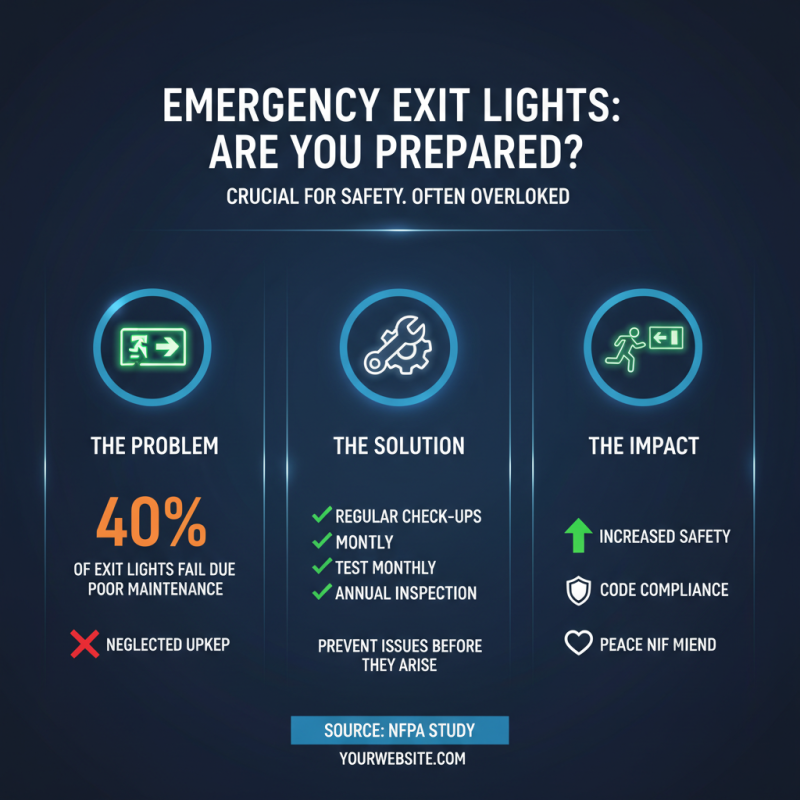
Emergency Exit Lights might not seem like a big deal until you really need them. They're honestly pretty important for safety in any building, especially when things go south during an emergency. These lights help light the way so folks can find their way out easily. But here’s the thing: a lot of people don’t really pay attention to them until it’s almost too late. Want to avoid that? A well-placed exit sign can be a total lifesaver, guiding everyone safely out. On the flip side, if the lights are installed poorly or aren’t working right, things can get confusing—and dangerous.
Some companies like SaveLite and SureSafe offer pretty reliable options. For example, their Battery Backup Emergency Exit Lights are a smart pick. They keep shining even if the power goes out, which is a huge deal. Honestly, spending a little extra on good quality lights could really make a difference in a real emergency.
That said, not all Emergency Lights are equally dependable. Some cheaper models might fail because of bad design or simply because they haven’t been maintained. It’s so important to check these lights regularly—something a lot of folks tend to overlook, unfortunately. Staying proactive about maintenance can actually help prevent serious risks. Bottom line? Make sure your emergency exit lights are in tip-top shape—you don’t want to leave that stuff to chance.
Types of Emergency Exit Lights and Their Functions
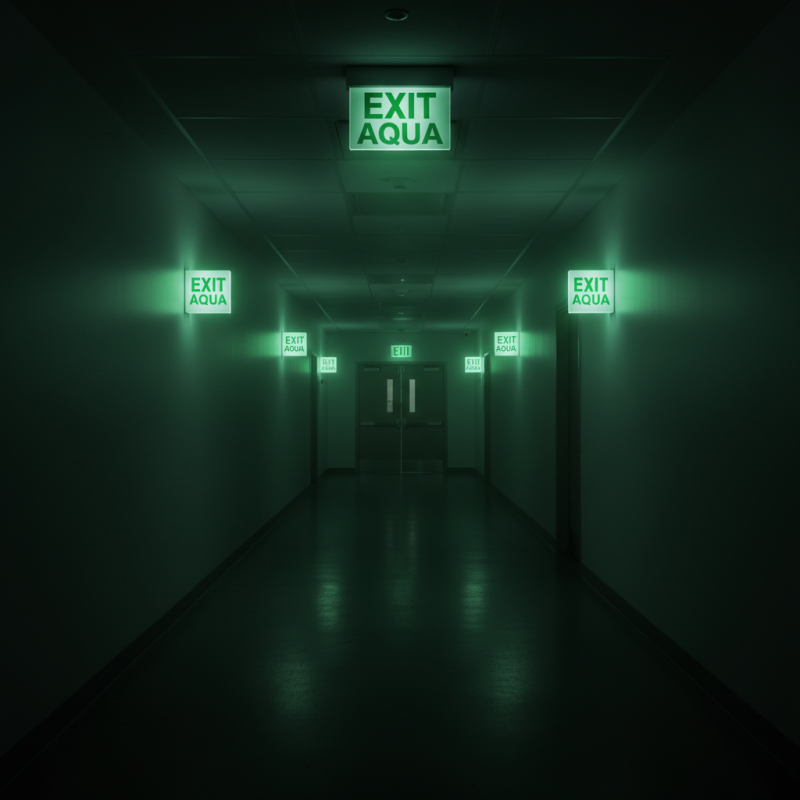
When it comes to safety, understanding the types of Emergency Exit Lights is crucial. There are various options available, each serving a different function. The most common type includes standard Exit Signs, which illuminate the path to exits. These lights often feature green or red lettering, ensuring visibility in dark conditions.
Another type is the combination light, which offers both exit signage and a pathway light. This is especially useful in large buildings. These designs help guide individuals toward safety during an emergency. Lastly, there are battery-operated emergency exit lights. These lights are key in locations without a reliable power source.
Tips: Regular maintenance is essential. Check the batteries and bulbs frequently. Make sure all emergency exit lights are bright and functioning. Ensure visibility is unobstructed.
Consider the placement of your emergency exit lights. They should be visible from all angles. Sometimes, there’s a temptation to hide them behind obstacles. This can lead to dangerous situations. Reflect on how your setup can improve safety. Small changes can make a big difference in emergencies.
Key Features to Consider When Choosing Exit Lights
Choosing the right exit lights is crucial for safety. It's not just about brightness. Look for durable materials. The design should withstand harsh conditions. Consider battery backup features. They ensure functionality during power outages.
**Tips:** Always check for the light's lumen output. Higher lumens mean better visibility. Ensure the installation is easy. Complex setups might lead to errors.
Check the visibility range. Lights should be seen from various angles. You want them noticeable. Also, think about maintenance. Some lights require frequent checks. It can be cumbersome.
Think about aesthetics too. Exit Signs And Emergency Lights should blend in. They shouldn’t disrupt the decor. Functionality is key, but so is appearance. It's about balancing safety and style.
Top 10 Emergency Exit Lights: Key Features Comparison
Importance of Emergency Exit Lights in Building Safety
Emergency exit lights are crucial for building safety. They provide guidance during chaotic situations, such as fires or power outages. When panic sets in, visible paths can save lives. These lights illuminate exits and ensure a clear escape route. They should be positioned above doors, stairwells, and in long hallways.
Installing them is not enough. Regular maintenance is essential to guarantee functionality. Sometimes, testing gets overlooked. A dim bulb or a dead battery can turn a helpful tool into a dangerous obstacle. Buildings must have a plan for regular checks. Not every emergency light receives the attention it needs.
In addition, the placement of these lights needs careful consideration. They should not be obstructed by decor or furniture. In some buildings, lights are mounted too high. This can reduce their effectiveness. A balance between aesthetics and safety is imperative. Emergency exit lights must remain visible at all times.
Top 10 Emergency Exit Lights You Need to Know About
| Model | Type | Battery Life (Hours) | Brightness (Lumens) | Installation Type | Weight (lbs) |
| Model A | LED | 24 | 150 | Wall Mounted | 1.5 |
| Model B | Fluorescent | 18 | 100 | Ceiling Mounted | 2.0 |
| Model C | Incandescent | 12 | 75 | Wall Mounted | 1.8 |
| Model D | LED | 30 | 200 | Surface Mounted | 2.2 |
| Model E | LED | 20 | 180 | Wall Mounted | 1.6 |
| Model F | Fluorescent | 15 | 90 | Ceiling Mounted | 2.4 |
| Model G | LED | 25 | 160 | Surface Mounted | 1.7 |
| Model H | Incandescent | 10 | 65 | Wall Mounted | 1.9 |
| Model I | LED | 22 | 175 | Ceiling Mounted | 1.4 |
| Model J | Fluorescent | 14 | 85 | Surface Mounted | 2.1 |
How to Install Emergency Exit Lighting Systems
Installing emergency exit lighting systems is crucial for safety in buildings. Proper installation can significantly enhance visibility during emergencies. According to the National Fire Protection Association (NFPA), nearly 70% of fire-related fatalities occur in structures without sufficient exit lighting. Knowing how to set up these systems is vital.
Start by surveying your building layout. Identify all exit points. Position the Fire Exit Lights in clear sight, at eye level. This ensures they guide individuals efficiently. Use LED lights whenever possible. They consume less power and last longer than traditional bulbs. However, always check power sources. Alarms can sound if they aren’t connected correctly.
After installation, conduct regular tests. Many building codes require testing every month. This is often where issues arise. Some lights may not function correctly after installation. A 2019 report indicated that 20% of emergency lights were non-operational in a citywide audit. Regular inspections help maintain safety compliance. Remember, the goal is to provide a clear path during emergencies, but that requires continuous diligence.
Maintenance Tips for Ensuring Effective Exit Lights
Emergency exit lights are crucial for safety during crises. Regular maintenance ensures these lights function when needed. According to the National Fire Protection Association, about 3,000 fires in non-residential buildings each year are caused by inadequate emergency lighting. This statistic highlights the importance of vigilance.
Inspecting exit lights monthly is essential. Look for burnt-out bulbs and dust accumulation. Clean the lenses to maintain brightness. Interestingly, about 30% of exit lights fail during actual emergencies due to lack of proper upkeep. These failures can lead to tragic outcomes.
Batteries should be replaced annually. Many exit lights use rechargeable batteries that degrade over time. A simple test can confirm function. Turn off the power and ensure lights remain illuminated for at least 90 minutes. This simulates an actual power outage. Regular staff training on these procedures is important. Every detail matters when lives are at stake.
Regulatory Standards and Codes for Exit Lighting
Emergency exit lights play a critical role in ensuring safety during emergencies. Regulatory standards dictate specific requirements for these lights. The National Fire Protection Association (NFPA) emphasizes that exit lighting must be activated in the event of power failure. This ensures visibility when evacuation is essential. According to the International Building Code (IBC), they must be located along paths of egress.
Tips: Always check that exit lights are unobstructed. Regular maintenance is vital. This includes testing batteries and ensuring bulbs are functioning.
Compliance with standards is non-negotiable. The Americans with Disabilities Act (ADA) requires that signage is visible to everyone, including those with disabilities. Some studies report that proper exit lighting can reduce evacuation time by 25%. Yet, many facilities overlook periodic inspections. Missing a burned-out bulb can create hazards.
Tips: Conduct monthly visual inspections. Look for damages and ensure clarity. Staff training on exit routes is equally important.
Awareness of local codes is essential. They can vary widely across jurisdictions. This complicates installation and maintenance. It's not unusual for facilities to be out of compliance. Regular reviews of lighting systems can prevent this issue. Remember, non-compliance can lead to legal implications and safety risks.
Common Mistakes to Avoid in Emergency Exit Light Usage
Emergency exit lights are crucial for safety during emergencies. Many facilities overlook important details in their usage. One common mistake is neglecting regular maintenance. According to a study by the National Fire Protection Association (NFPA), nearly 40% of exit lights failed during tests due to poor upkeep. Regular check-ups can uncover issues before they arise.
Another frequent error is improper placement. Exit lights should be easily visible from any angle. If hidden by obstacles, they become ineffective. Research indicates that well-placed Led Exit Lights enhance visibility by up to 50%. It’s essential to ensure these lights aren't obstructed by furniture or signage.
Finally, some users underestimate battery life. Emergency exit lights need a backup power source for reliability. A report by the International Electrical Safety Foundation highlights that 25% of issues stem from depleted batteries. Check and replace batteries according to manufacturer guidelines. Inadequate attention to these details can lead to dangerous situations in critical moments.
Illuminate Safety: The Importance of 450 Emergency LED Exit Sign Box in Crisis Situations
In crisis situations, having reliable emergency exit signage is essential for ensuring safety and compliance within any indoor facility. The introduction of the X450ZY220L033V6-10C emergency LED exit sign box shifts the spotlight on the significance of illuminating clear pathways during emergencies. According to the National Fire Protection Association (NFPA), effective exit signage can enhance survival rates in emergencies by providing quick and clear guidance to occupants. Facilities without proper signage may face not only legal repercussions but also increased risks to life during evacuations.
The sustainability aspect of emergency exit signage cannot be overlooked. The X450ZY220L033V6-10C is designed to be energy-efficient, consuming minimal power while delivering high visibility. Reports from the U.S. Department of Energy highlight that LED lighting options can reduce energy consumption by up to 75% compared to traditional incandescent systems. This eco-friendly approach allows businesses to maintain safety standards while also contributing to environmental sustainability—an essential consideration in today’s operations.
Furthermore, the strategic placement and visibility of emergency exit signs such as the X450ZY220L033V6-10C are fundamental in crisis management plans. Studies indicate that proper spacing and illumination of exit signs significantly decrease evacuation times, which can be the difference between a safe escape and a tragic incident. As such, investing in high-quality emergency exit signage not only fulfills regulatory obligations but also reflects a commitment to the well-being of all building occupants in times of distress.
FAQS
: Symptoms include restlessness, fatigue, difficulty concentrating, and sleep disturbances. Physical symptoms may also occur.
Try relaxation techniques, exercise, and time management. It's also helpful to talk to someone about your feelings.
Regular exercise boosts mood. It reduces anxiety and improves sleep. Even short walks can make a difference.
Quality sleep is crucial. Lack of sleep worsens anxiety and depression. Aim for 7-9 hours of sleep each night.
Yes, a balanced diet supports mental health. Foods rich in omega-3 fatty acids and vitamins help improve mood.
Take breaks. Deep breathing or mindfulness can help. Reassess your tasks and prioritize what’s important.
Listen without judgment. Offer your help and encourage them to seek professional support. Just being present matters.
Signs include chronic fatigue, cynicism towards work, and a sense of ineffectiveness. Reflect on your workload and self-care.
Absolutely. Many people benefit from therapy or counseling. It’s a sign of strength to seek support when needed.
Keep your space organized. Surround yourself with positive people and items that inspire you. Small changes can uplift your mood.
Conclusion
Emergency Exit Lights are crucial for ensuring safety in buildings, providing illumination during emergencies to guide occupants safely to exits. Understanding the types of Emergency Exit Lights and their specific functions helps in selecting the right ones for your needs. When choosing exit lights, it's essential to consider key features such as battery backup, brightness, and visibility to ensure effectiveness in emergencies.
Installation of Emergency Exit Lighting Systems should be carried out according to regulatory standards and codes to comply with safety requirements. Regular maintenance is vital to ensure the functionality of these lights, and awareness of common mistakes can prevent potential hazards. By prioritizing the selection and upkeep of Emergency Exit Lights, you contribute significantly to the overall safety of any building.






 Phone
 Send Email
 whatsapp