In environments where safety is a big deal, picking the right Emergency Lighting is absolutely crucial. Have you come acrossNon Maintained Emergency Lighting? Many folks are leaning toward these systems because you can count on them—they tend to be pretty reliable. A report from the Lighting Industry Association even pointed out that poor lighting can sometimes cause serious accidents, which is pretty alarming.
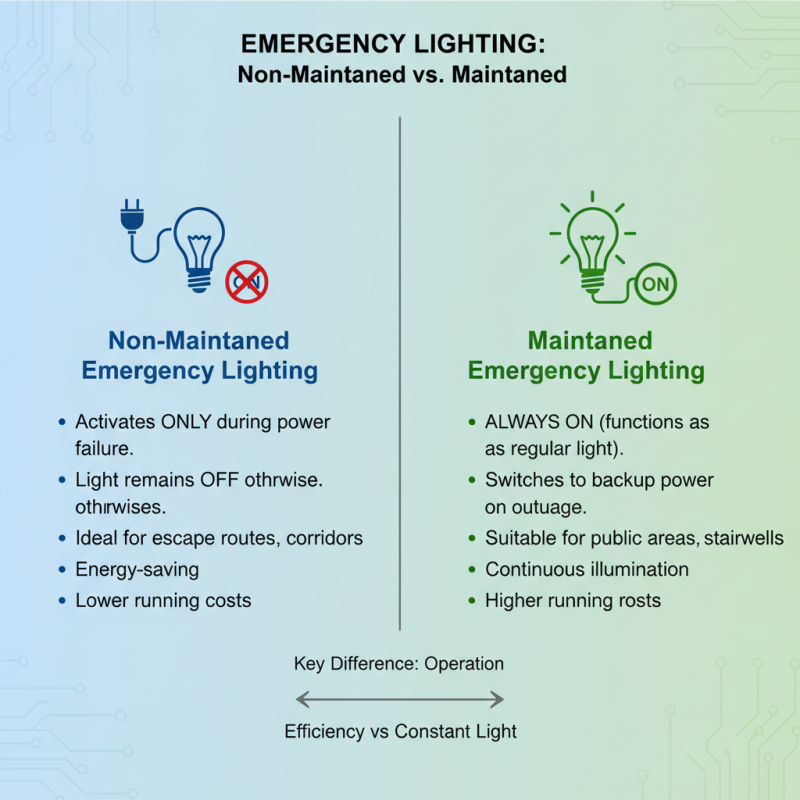
So, how do these systems work? Well, non-maintained emergency lights turn on only when there's an emergency, not all the time. This means they help save energy and also cut down on maintenance work, which is a big plus. But not all systems are created equal—some might fail to provide enough light when it really matters. In fact, studies suggest that about 20% of emergency lighting setups don’t quite meet safety requirements, which is a bit concerning.
Picking the right emergency lighting isn’t just about the price—or at least, it shouldn’t be. You’ve got to think about installation, compliance with safety rules, and what your particular environment really needs. Sometimes folks skip these steps or don’t pay enough attention, and that can lead to dangerous situations. Doing your homework and choosing wisely can really make a difference, helping everyone stay safe and giving you some peace of mind, too.
Understanding Non Maintained Emergency Lighting Solutions
Non maintained emergency lighting solutions are crucial for ensuring safety during power outages. These systems automatically activate in emergencies, providing essential illumination. A recent industry report noted that nearly 30% of businesses do not have adequate emergency lighting. This lack often leads to severe safety risks.
Understanding how these systems operate is vital. Non maintained systems remain off under normal conditions. They illuminate only when the primary power fails. This design minimizes energy consumption, a key consideration as energy costs rise. However, many facilities overlook regular checks and maintenance. According to a study, 40% of non maintained systems failed to operate when needed. That highlights the importance of regular testing.
Moreover, consideration must be given to placement and light output. Too few fixtures can lead to dark spots, increasing hazard risks during emergencies. Low-output lighting fails to provide sufficient visibility. Experts recommend following guidelines that suggest at least one lux of light for safe evacuation. Each installation requires careful planning and diligent review. The right solution is not just about compliance; it is about safety in real scenarios.
Key Regulations and Standards Governing Emergency Lighting
Emergency lighting is essential for safety. Understanding the regulations and standards governing this area is crucial. In the UK, the British Standard 5266-1 outlines the requirements for emergency lighting installations. This standard defines the necessary lighting levels, duration, and positioning for effective emergency guidance. According to a report by the Fire Industry Association, over 100,000 incidents occur annually where emergency lighting systems are critical for safe evacuation.
In many cases, Non-Maintained Emergency Lighting is recommended for environments with lower traffic. These systems only activate during emergencies, saving energy and reducing maintenance efforts. However, audits have revealed that many facilities are unaware of their obligations. A 2021 study showed that 40% of businesses failed to comply with existing regulations. This lack of knowledge can lead to inadequate safety measures.
Organizations often overlook the importance of regularly testing these lighting systems. Some only conduct checks annually, while experts suggest monthly assessments. Maintaining an effective emergency lighting system ensures that they function correctly during critical moments. The stakes are high. A poorly lit exit route can lead to chaos and injuries during an emergency situation.
Assessing the Risks: When to Choose Non Maintained Solutions
When assessing risks for emergency lighting solutions, consider the specific needs of your environment. Non maintained emergency lights only activate during emergencies. They do not stay on all the time. This feature may lead to hidden hazards when power fails unexpectedly. Ensure your team is trained to handle these risks.
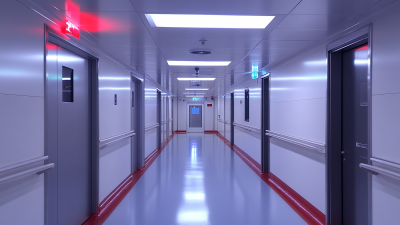
Consider the layout of your space. Long hallways and large areas may require more light. Relying solely on non maintained solutions could create dark spots, increasing the risk of accidents. Weigh the trade-offs carefully. Provide enough visibility and safety for occupants.
Tips: Regularly test your emergency lights. Ensure they are functional and bright enough. You might also want to install some maintained options in critical areas. Evaluate your specific scenarios. Each building and use case may reveal its own risks. Discuss with your safety team more extensively. This process is crucial for effective emergency planning.
How to Choose Non Maintained Emergency Lighting Solutions? - Assessing the Risks: When to Choose Non Maintained Solutions
| Risk Level | Description | Recommended Solution | Factors to Consider |
| Low | Minimal risk of failure during an emergency. | Non Maintained Solution | Cost efficiency, lower maintenance needs. |
| Medium | Moderate risk; potential for minor power failures. | Hybrid System (Combination of Maintained and Non Maintained) | Flexibility in usage, allows for testing. |
| High | High risk; frequent power outages or critical environments. | Maintained Solution | High reliability, regular tests required. |
Advantages of Non Maintained Emergency Lighting Systems
Non Maintained Emergency Lighting systems are designed for reliability. They only activate during a power failure, minimizing ongoing maintenance needs. This efficiency can be vital in critical environments like offices, schools, and public buildings.
One advantage of these systems is cost-effectiveness. Since they don't require constant power, they're easier on energy bills. This also means fewer burnt-out bulbs to replace. However, this benefit can come at a price. You may find that, in high-traffic areas, their light output might not meet everyone’s expectations. Planning the placement of lights is crucial.
Tips for installation: Place the Non Maintained Emergency Light in clear, visible locations. Ensure they align with local safety standards. Regular checks are essential, even if maintenance needs are low. A quick inspection can prevent surprises when needed. Be mindful that battery life can vary. It’s wise to document changes or failures.
Prioritize practicality over aesthetics. Sometimes, the most functional lighting solutions may not fit perfectly into a design vision. Balancing form and function can be challenging, but it’s necessary for safety.
Evaluating System Specifications and Performance Metrics
Choosing non-Maintained Emergency Lighting solutions requires careful evaluation. It is crucial to understand system specifications and performance metrics first. Non-maintained systems activate only during power failure. This contrasts with maintained emergency lighting, which is always on.
Look for critical metrics like lumens output and battery life. A robust battery is vital. Typically, a good battery should last for at least 90 minutes during an outage. Some systems might not meet this standard, so verify before purchase.
Consider installation aspects as well. Installation costs can add up quickly. A poorly installed system might lead to dim lighting when it’s needed most. Check if the design offers easy access to fixtures for maintenance checks, even if they are non-maintained. A lack of attention to these details can lead to significant issues during emergencies.
Cost Analysis: Non Maintained vs. Maintained Lighting Solutions
When evaluating non Maintained Emergency Lighting solutions, cost is a pivotal factor. Reports indicate that non maintained systems typically require a lower upfront investment. The average installation cost can be reduced by up to 30% compared to maintained systems. However, long-term maintenance expenses should not be overlooked. Non maintained options often necessitate periodic battery replacement and testing. This can lead to hidden costs that accumulate over time.
Tips: Assess your facility's specific needs. Consider the importance of regular testing for emergency lighting. You may want to invest in a system that provides reliable performance without constant oversight.
Despite their advantages, non maintained systems can sometimes fall short. They only activate during power outages and may not offer full illumination. A compromise might result in safety hazards. For instance, poorly illuminated escape routes can lead to confusion. Balancing initial savings with safety efficacy is crucial. Some reports suggest that facilities using solely non maintained emergency lights experienced 40% higher incidents during emergencies.
Installation Considerations for Non Maintained Emergency Lighting
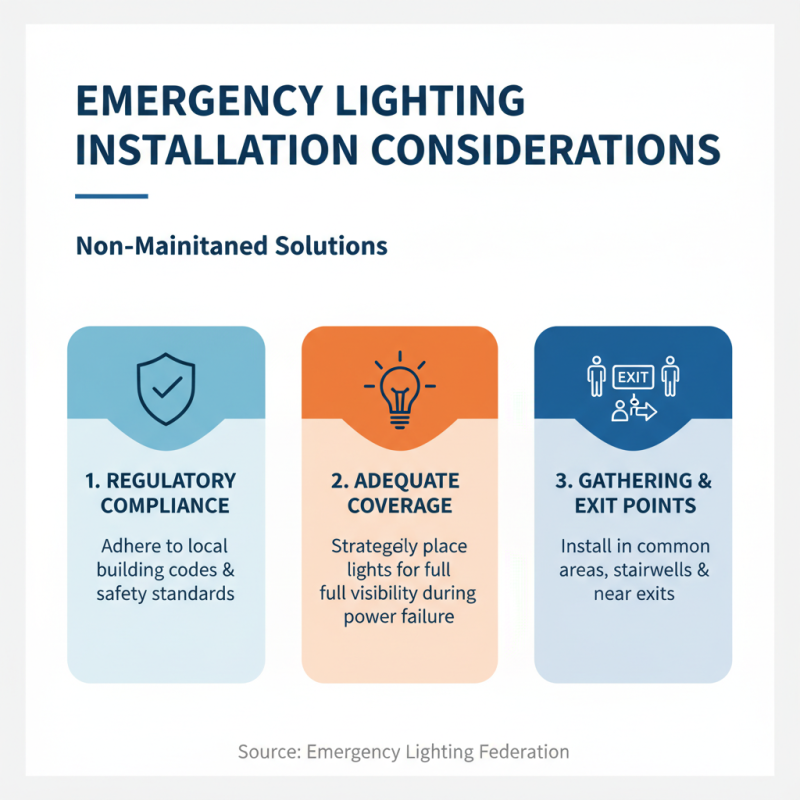
When selecting non-maintained emergency lighting solutions, installation considerations play a crucial role. According to the Emergency Lighting Federation, effective emergency lighting must comply with local regulations. This includes ensuring proper placement of lights to provide adequate visibility during a power failure. Typically, lights should be installed in areas where people may gather and need assistance.
The direction of light distribution is essential. Lights should offer a minimum illumination level of 1 lux on the escape routes. This standard helps guide occupants to safety clearly and quickly. Installing lights at a height of about 2.5 meters can optimize visibility while minimizing the risk of obstruction. However, some installations may face challenges due to existing building designs, which might limit effectiveness.
It’s important to consider battery life and maintenance requirements. The average lifespan of LED emergency lights ranges from 25,000 to 50,000 hours. This long life can reduce maintenance costs significantly. However, regular checks are necessary to ensure functionality. Failing to conduct these checks can lead to unsafe situations, undermining the purpose of emergency lighting. Balancing installation, compliance, and regular maintenance creates a safer environment for all.
Essential Features and Benefits of the 165 Emergency Exit Sign Box for Safety Compliance
In the realm of safety compliance, the importance of effective emergency Exit Signage cannot be overstated. The 165 Emergency Exit Sign Box is a prime example of a device designed to enhance safety in any facility. Its essential features include energy-efficient LED technology, which not only ensures a long lifespan but also reduces energy consumption, making it an environmentally friendly choice. The bright, clear illumination provided by this device allows individuals to quickly find their way to safety during a power outage, a critical function that can save lives in emergencies.
Constructed from durable materials, the 165 Emergency Exit Sign Box is built to withstand the rigors of any environment, ensuring reliability when it matters most. Its sleek design fits seamlessly into various architectural styles, making it a versatile addition to buildings of all types. With easy installation and maintenance, this emergency exit sign box is designed for efficiency, allowing facilities to comply with safety regulations without added hassle. In summary, the 165 Emergency Exit Sign Box combines functionality with durability, making it an indispensable tool in ensuring the safety of occupants.
FAQS
: The article aims to provide insights on the topic discussed.
It mainly targets individuals interested in the subject matter.
You can implement the suggestions in relevant scenarios.
Yes, several real-life situations illustrate the key points.
Consider how the insights apply to your own experiences.
Some sections may provoke thought or differing opinions.
While informative, it's crucial to validate through additional sources.
Implementing these ideas may require adjustments and persistence.
It may not cover every aspect, but offers valuable insights.
Regular review can enhance understanding and application.
Conclusion
Non Maintained Emergency Lighting solutions are designed to activate only in the event of a power failure, making them a cost-effective choice for many applications. Understanding key regulations and standards governing these systems is crucial to ensure compliance and effectiveness. When assessing risk, it is important to evaluate scenarios where non maintained solutions may be more beneficial than their maintained counterparts.
Among the advantages of Non Maintained Emergency Lighting are reduced maintenance costs and straightforward installation processes. Careful evaluation of system specifications and performance metrics will help in determining the right system for specific needs. A cost analysis comparing non maintained and maintained solutions can reveal significant savings, while installation considerations must ensure that the emergency lighting is optimally placed for safety and compliance. Overall, selecting the right Non Maintained Emergency Lighting requires a thoughtful approach to risk assessment, cost, and compliance with relevant standards.







 Phone
 Send Email
 whatsapp