You know, in today's world, Emergency Lighting solutions are constantly changing, and it’s super important for companies to get the best bang for their buck by keeping repair costs down. That’s where Foshan Kaili Lighting Technology Co., Ltd. comes in.
Since we kicked things off back in 2004, we’ve been right at the cutting edge of this growing trend, thanks to our years of experience in creating some pretty innovative lighting technologies. We really focus on Non-Maintained Emergency Lighting—it’s not just about keeping people safe; it also helps lower the costs of routine maintenance. This means our clients can use their resources in a smarter way.
And as we gaze into the future, we’re excited to dive into how these advanced lighting solutions can help reduce operational costs while still meeting safety standards and, most importantly, protecting lives.
Understanding the Importance of Non-Maintained Emergency Lighting in Reducing Costs
These days, businesses are really starting to see the value of non-maintained emergency lighting systems, especially when it comes to keeping operational costs in check. Unlike the old-school maintained systems that need constant upkeep and frequent bulb swaps, non-maintained lighting systems work on their own—kicking in only during emergencies. This setup not only slashes those routine maintenance expenses but also cuts down the chances of equipment failing when it matters the most. So, getting your head around how vital non-maintained emergency lighting is can lead to some pretty significant savings while keeping safety in the forefront and adhering to regulations.
At Foshan Kaili Lighting Technology Co., Ltd., we've got over 19 years of know-how in emergency and eco-friendly lighting solutions. We’re all about delivering top-notch non-maintained systems that won’t break the bank. With our solid research and development, plus top-notch production capabilities, we make sure our products hit the highest industry standards. By picking non-maintained emergency lighting, businesses can grab a dependable safety solution that noticeably trims down overhead and maintenance costs. This means they can really get the most bang for their buck and fine-tune how they allocate resources in their operations.
Key Industry Certifications for Emergency Lighting: What You Need to Know
When it comes to emergency lighting solutions, understanding key industry certifications is crucial for maximizing value and ensuring safety. Certifications such as UL 924, NFPA 101, and IESNA standards play vital roles in regulating the effectiveness and reliability of emergency lighting systems. According to a 2021 report from the National Fire Protection Association, nearly 57% of reported fire incidents involved impaired emergency lighting systems, underscoring the importance of adhering to recognized standards.
Tips for selecting emergency lighting solutions include verifying certifications to ensure compliance with safety regulations. Look for products that display certification marks, as they signify rigorous testing and dependable performance. Additionally, invest in units that offer energy-efficient technology, which can reduce repair and operational costs significantly; reports indicate that energy-efficient emergency lighting can save up to 30% in long-term operational expenses.
Another essential aspect is the testing and maintenance of emergency lighting systems. Regular inspections not only ensure compliance with safety standards but also help in identifying potential issues before they escalate. It is recommended to schedule maintenance checks at least bi-annually, as the Illuminating Engineering Society highlights that many systems fail due to lack of proper upkeep.
Cost Analysis: Comparing Upfront Investment Versus Long-Term Maintenance Expenses
So, when you think about emergency lighting solutions, it’s really interesting to see how much you need to balance those upfront costs with what you'll pay down the road for maintenance. You might not know, but a report from the National Fire Protection Association shows that about 22% of fire-related deaths could have been prevented with good emergency lighting. I mean, that's pretty staggering, right? Now, while choosing high-quality, non-maintained emergency lighting systems might hit your wallet a bit harder at first, they actually save you a ton on maintenance in the long run, which is a big win for your budget.
Here’s a little tip: if you can, go for LED systems. These are brilliant because they last a really long time and use less energy. In fact, the U.S. Department of Energy says LEDs can last up to 25 times longer than those old-school incandescent bulbs. That means fewer bulb changes and less money spent on replacements. Also, it’s super important to look at the total cost of ownership instead of just the sticker price. You want to think about those maintenance savings, which can pile up to thousands of dollars every year for a lot of organizations.
Investing in top-notch, non-maintained emergency lighting solutions not only helps you keep repair costs low but also keeps you in line with safety regulations. Plus, systems that come with self-testing and monitoring features are fantastic for reducing liability. They give you real-time status reports, making it way easier to catch any problems before they escalate. So, by prioritizing these advanced solutions, you’re not just boosting safety—you’re also saving a bunch of money.
Innovative Technologies in Non-Maintained Emergency Lighting Solutions
Hey, have you noticed how cool new technologies are changing the game for emergency lighting systems that don't need regular maintenance? They're really upping the efficiency and slashing repair costs, which is pretty amazing. The global emergency lighting market is on track for some serious growth—it's expected to jump from around $19.07 billion in 2025 to a whopping $40.87 billion by 2032! That's a solid annual growth rate of about 11.5%. So, it's clear that there’s a growing demand for smart lighting systems that not only keep us safe but also help save money on maintenance.
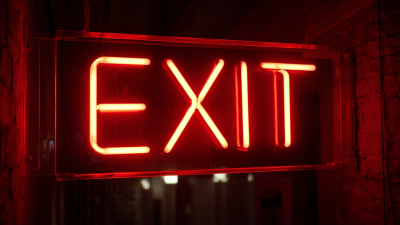
Just look at some of the latest advancements, like the new designs for emergency Exit Signs, which is all part of that shift towards innovative solutions covered underUL 924A. We’re talking about breakthroughs in lighting tech, especially with LEDs and lithium batteries being embraced across the board. These upgrades mean more reliability and lower maintenance costs over the long haul.
As more organizations start to invest in intelligent evacuation systems, tapping into these cutting-edge technologies is a smart move. It promises to provide great value and keep everything compliant while still prioritizing safety—can't beat that!
Evaluating Supplier Reliability: Ensuring Compliance with Import and Export Standards
Alright, so when you're out there picking non-maintained emergency lighting solutions, you've really got to think about how reliable your suppliers are. Trust me, it's super important to make sure they’re on top of those import and export standards. A report from the International Organization for Standardization (ISO) actually highlighted that around 18% of companies ran into trouble because of non-compliance with these standards, and that can lead to some serious financial headaches and damage to their reputation. In an industry where safety is the name of the game, sticking with suppliers who take regulatory adherence seriously can save you a ton of trouble down the line, like expensive repairs or even product recalls.
But you know, supplier reliability isn’t just about following the rules. It’s also about their knack for delivering solid, high-quality products consistently. A fresh market analysis by Research and Markets found that organizations teaming up with compliant suppliers could slash their repair costs by up to 30%. That’s a biggie! Not only does that make your investments go further, but it also helps create a more sustainable operational framework. So, firms really need to do their homework when they’re looking at potential suppliers, checking out their history for compliance and product quality—it’s all about setting up for long-term success.
Maximizing Value by Reducing Repair Costs for Best Non Maintained Emergency Lighting Solutions - Evaluating Supplier Reliability: Ensuring Compliance with Import and Export Standards
| Supplier | Repair Cost ($) | Reliability Rating (1-5) | Compliance Status | Import/Export Standards Met |
| Supplier A | 150 | 4 | Compliant | Yes |
| Supplier B | 200 | 5 | Compliant | Yes |
| Supplier C | 120 | 3 | Non-Compliant | No |
| Supplier D | 180 | 4 | Compliant | Yes |
| Supplier E | 160 | 2 | Non-Compliant | No |
Best Practices for Implementing Cost-Effective Emergency Lighting Systems
You know, putting in cost-effective emergency lighting systems is super important if we want to keep repair costs down while also boosting safety and value for our facilities. A recent report from the Illuminating Engineering Society (IES) shows that a well-thought-out emergency lighting system can actually cut energy use by as much as 30%. That’s a big deal because it directly helps with lowering those pesky utility bills! Plus, it keeps us compliant with health and safety regulations while also making the whole building run more efficiently.
So, what are the best practices for these lighting systems? Well, regular audits are key, and you really can’t go wrong with advanced LED technology. According to the U.S. Department of Energy, switching over to LED emergency lights can save us around 40% compared to those old incandescent bulbs. Oh, and let’s not forget they last for over 25,000 hours! That’s a long time! And if you throw in smart lighting controls, we can monitor everything in real-time and schedule maintenance as needed, which knocks down repair costs even more. For facility managers, it's really crucial to invest in systems that don't just tick off the emergency regulations box, but are also built to last with low maintenance needs. In the end, this leads to serious cost savings over time.
Exploring the Impact of Energy Efficiency and Safety in Commercial Spaces: The Role of T8 0.6m Emergency LED Tube Surface Mount Batten
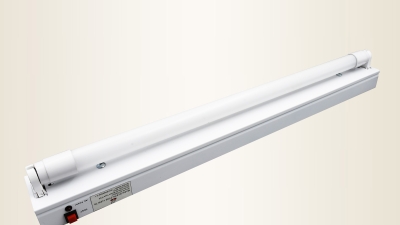
In the realm of commercial spaces, energy efficiency and safety are paramount considerations. Businesses are increasingly recognizing the importance of effective lighting solutions that not only enhance visibility but also comply with safety standards. A standout option in this category is the T8 0.6m Emergency LED Tube Surface Mount Batten, designed to provide reliable illumination for both general and emergency scenarios.
The T8 0.6m Standard Bracket Light, available in two models—the GBLBT8Z09 for everyday use and the GLBT8ZY09 specifically for emergencies—serves as an excellent lighting solution for various commercial applications. These lights come with matching DC tubes that offer user-friendly, directional-free lighting, making them highly adaptable to different environments. Whether installed in retail stores, offices, or public facilities, they ensure that spaces remain well-lit and secure, significantly improving safety for both employees and customers.
By integrating energy-efficient technologies in these lighting solutions, businesses can not only reduce their operational costs but also contribute to a more sustainable future. The versatility and reliability of the T8 0.6m Emergency LED Tube Surface Mount Batten make it an essential addition to any commercial space, balancing functionality with a commitment to energy conservation and safety.
FAQS
: Industry certifications such as UL 924, NFPA 101, and IESNA standards are crucial as they ensure the effectiveness and reliability of emergency lighting systems, ultimately maximizing value and safety.
Verify certifications for safety compliance, look for products with certification marks, invest in energy-efficient technology, and conduct regular testing and maintenance to identify potential issues early.
Energy-efficient emergency lighting can reduce operational expenses significantly, with reports indicating potential savings of up to 30% over the long term compared to traditional systems.
It is recommended to schedule maintenance checks at least bi-annually to ensure compliance with safety standards and to identify issues before they escalate.
Consider both upfront investment and long-term maintenance expenses by evaluating total cost of ownership, potential maintenance savings, and the benefits of investing in high-quality, non-maintained systems.
LED systems offer longevity and lower energy consumption, lasting up to 25 times longer than traditional bulbs, which reduces replacement frequency and overall costs.
Evaluating supplier reliability ensures compliance with import and export standards, prevents costly repairs, and contributes to consistent, high-quality product availability.
Self-testing and monitoring features provide real-time status reports, allowing for timely interventions, which minimizes liability and ensures the system remains operational when needed.
Companies that face non-compliance issues can experience significant financial and reputational damages, potentially leading to costly repairs and product recalls.
Conducting due diligence helps assess supplier compliance and product quality, which fosters long-term business success and maximizes the value of investments in emergency lighting solutions.



 Phone
 Send Email
 whatsapp