Leave Your Message
Lately, there’s been a real buzz about innovative lighting solutions, especially when it comes to safety and efficiency. So, in this blog, we’re diving into some of the cool developments in Non Maintained Emergency Lighting that are likely to set new standards for buyers around the globe by 2025. Foshan Kaili Lighting Technology Co., Ltd., which kicked off back in 2004, is right at the cutting edge of this shift. With over ten years of know-how in emergency and eco-friendly lighting, Kaili is really dedicated to rolling out top-notch products that not only boost safety during emergencies but also help save energy. As we explore the latest trends and perks of Non Maintained Emergency Lighting, our goal is to share insights that can really help global buyers make smart choices for their lighting needs.
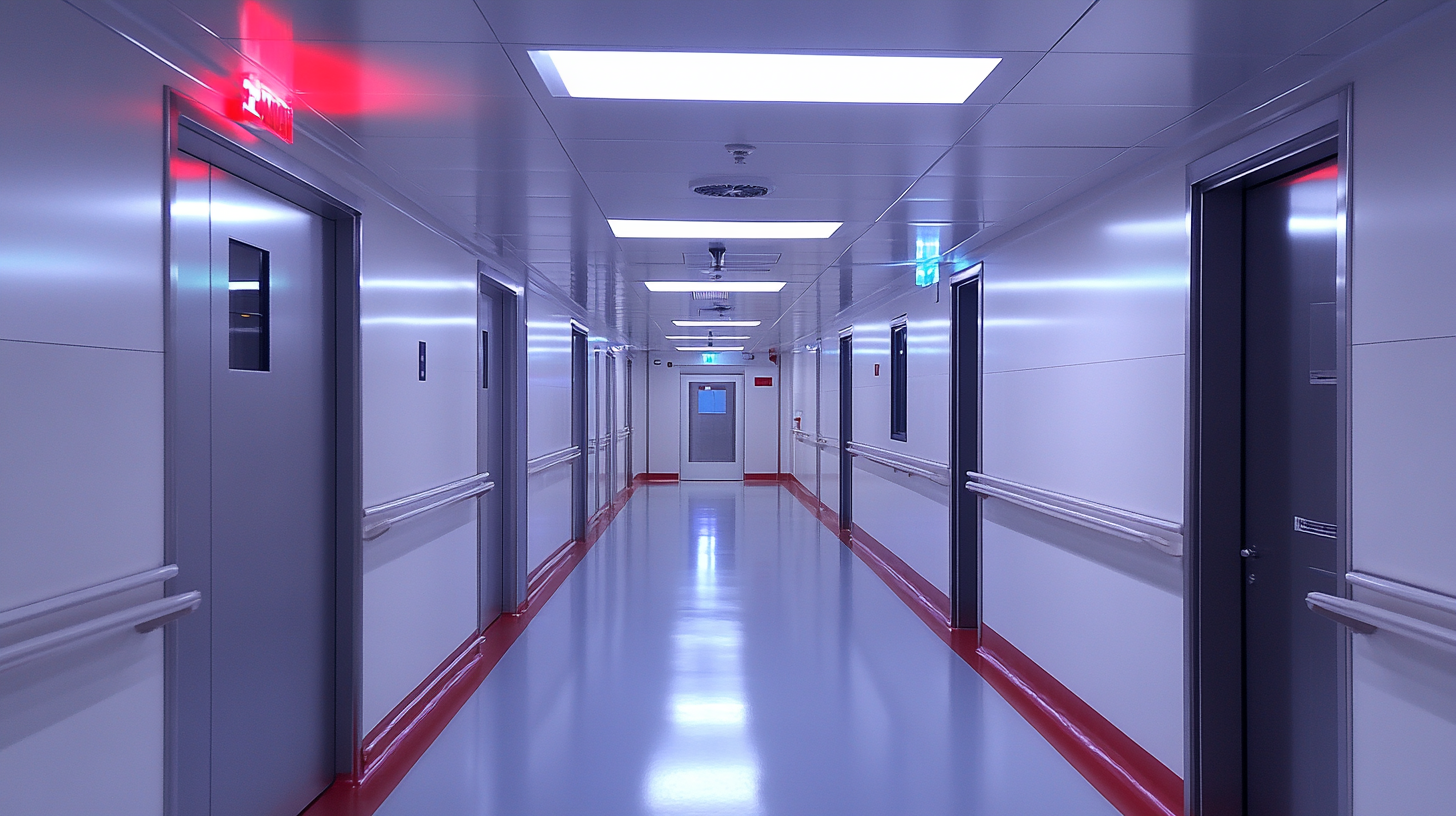
As we approach 2025, the landscape of non-maintained emergency lighting is set to experience a transformation driven by technological advancements and evolving regulatory standards. According to a recent report by ResearchAndMarkets, the global non-maintained emergency lighting market is projected to grow at a CAGR of 6.5% from 2021 to 2026. This surge is largely fueled by increasing awareness of safety standards in commercial and industrial settings, pushing buyers to seek solutions that not only comply with regulations but also enhance energy efficiency.
Emerging trends highlight the integration of smart technology in non-maintained emergency lighting systems. The deployment of IoT-enabled fixtures allows for real-time monitoring and performance tracking, ensuring that lighting is always operational during emergencies. A study by MarketsandMarkets indicates that smart lighting solutions are expected to account for over 30% of the total emergency lighting market by 2025. This shift not only improves reliability but also cuts maintenance costs, providing significant savings for global buyers.
Furthermore, sustainable design is becoming a crucial consideration in product development, with many manufacturers focusing on energy-efficient LEDs and recyclable materials. According to a survey by the International Energy Agency, utilizing LED technology can reduce emergency lighting energy consumption by up to 75%. As this sector continues to evolve, global buyers must stay abreast of these innovations to enhance safety while embracing sustainability.
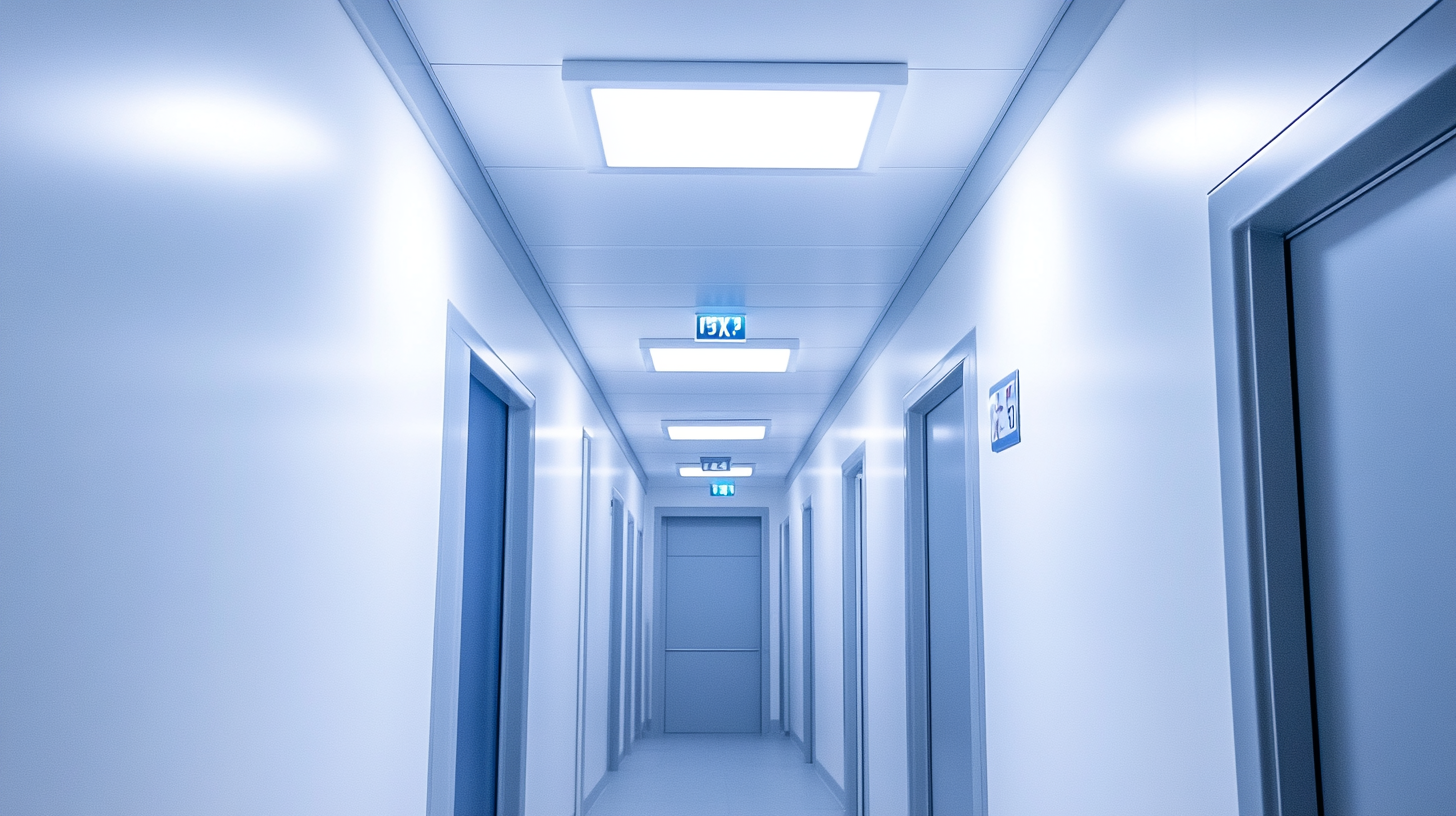
You know, the whole world of non-maintained emergency lighting is really on the verge of some pretty exciting changes! It’s all thanks to a wave of new technologies that are coming our way. If we take a look toward 2025, we’ll see some major leaps forward – think energy-efficient LED systems and smart IoT integrations that are totally going to shake up what we expect from emergency lighting. Recent reports suggest that the global market for emergency lighting could hit a whopping $8.2 billion by 2025. That’s a clear sign that people are looking for tech that not only boosts safety but also helps cut costs.
And get this, smart technology is really stepping up the game. More and more non-maintained emergency lighting systems are starting to come with sensors that keep an eye on how things are working in real time. This means we can catch issues early and get alerts right away if something goes wrong. It’s a big step toward better safety, especially now when we really need to find affordable solutions due to the tough economic climate we’re facing globally. Industry experts are saying that getting on board with these innovations could help buyers enjoy both efficiency and sustainability, which is super important in today’s tech-driven market where performance is everything.
Plus, the use of AI in energy management systems is about to take non-maintained emergency lighting to the next level. It’s all about being adaptable; these systems can respond to how many people are in a space and what lighting they actually need. This fits right into the bigger picture of how emerging technologies are transforming industries, and it really shows that it’s high time for all of us to embrace innovation as we navigate an increasingly complex world.
You know, LED technology has really changed the game when it comes to emergency lighting systems. I mean, it’s a huge boost to energy efficiency and they just last so much longer! A recent report from the International Energy Agency pointed out that LEDs can use up to 75% less energy compared to those old incandescent bulbs. Honestly, when you’re looking for non-maintained emergency lighting, LEDs are where it’s at! Not only does that mean lower bills for businesses, but it also helps us hit those global sustainability targets too because, let’s face it, LEDs run cooler and ease up the cooling load on buildings.
And it gets even cooler! With all the progress in LED tech, we now have smart emergency lighting systems that come packed with IoT features. These bad boys can actually monitor themselves and send real-time updates and alerts to maintenance teams. A study by the Lighting Research Center even showed that these smart solutions could cut energy use by around 30% just by managing power better during peak times. For buyers out there, diving into LED emergency lighting isn’t just about following those strict energy regulations; it’s all about boosting safety and reliability too, which is a big deal when emergencies hit.
The world of emergency lighting is changing pretty quickly these days, especially with the growing interest in non-maintained systems. You know, safety standards and regulations are key players in this transformation. They’re not just shaping how emergency lighting solutions are designed and function but are also driving trends in markets all over the globe. As countries tighten their regulations to boost public safety, manufacturers are stepping up their game, working on lighting systems that don't just tick the compliance boxes but also bring in some smart tech along the way.
One major player in this game is the International Electrotechnical Commission (IEC) standards. These guidelines focus on performance, efficiency, and safety, and they're particularly important in areas like Europe and North America where sticking to these standards means that emergency lighting can actually provide reliable light when the power goes out. This kind of compliance builds confidence for users and opens up opportunities for global buyers who are on the hunt for products that meet these certifications. Plus, since local regulations can differ so much, manufacturers have to be flexible, adapting their products to match the specific requirements of various markets.
On top of that, there’s this big push towards sustainable and energy-efficient designs in emergency lighting, mainly driven by regulations aimed at cutting down carbon footprints. Non-maintained emergency lighting, which works independently of main lighting sources, helps save energy and extends battery life. For buyers who care about their environmental impact, this is a win-win—safety and reliability during emergencies without the heavy carbon load. As the industry continues to evolve, keeping an eye on these changing regulations will be super important for anyone looking to make the most of these innovations.
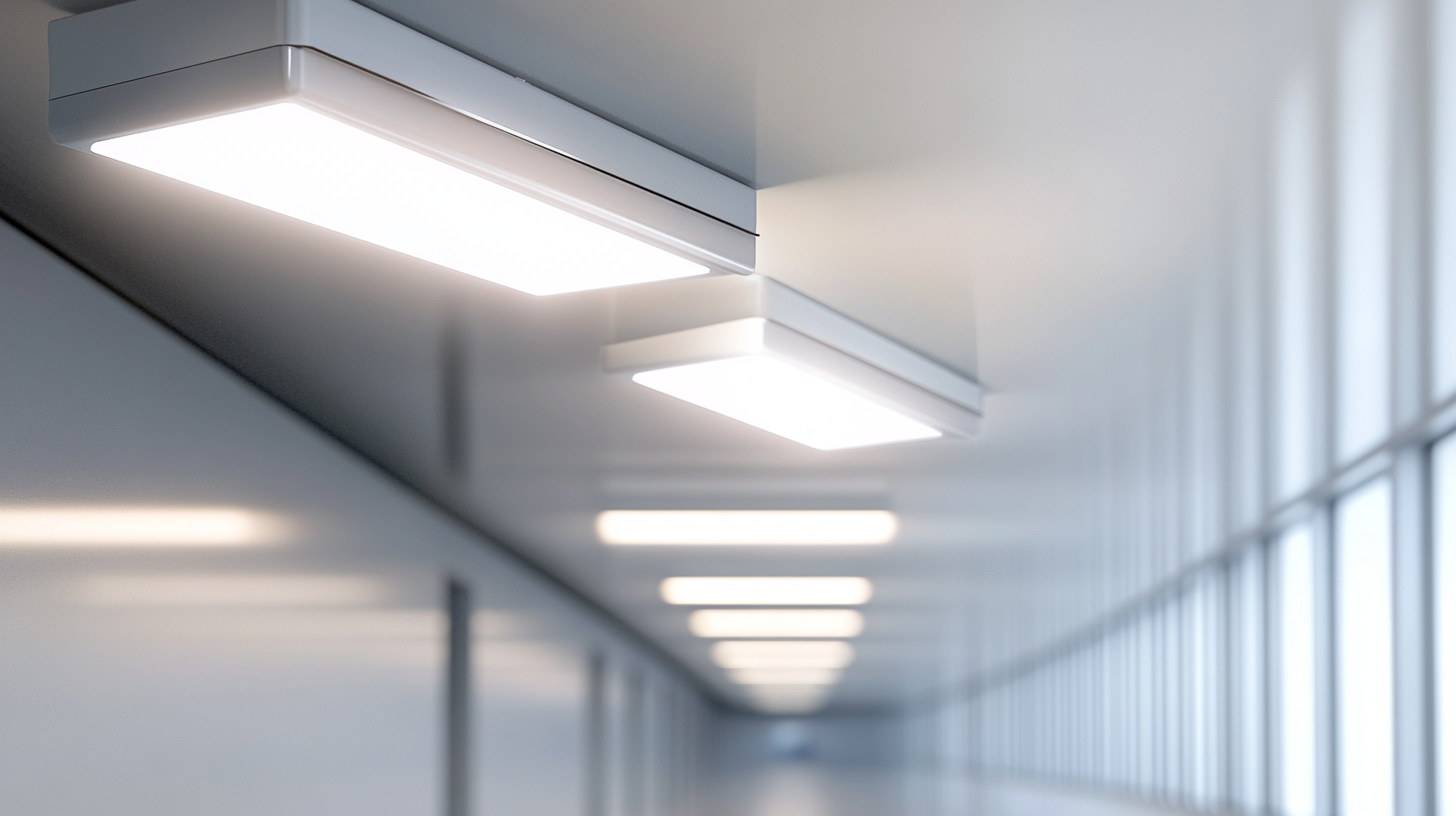
You know, the move towards smart emergency lighting systems is really a game changer when it comes to non-maintained emergency lighting. Not only do these clever systems boost safety, but they also save a good chunk of money for buyers all over the world. With smart tech built in, you can keep an eye on and manage the emergency lights from anywhere, which means the maintenance and operation costs can go down. Plus, thanks to real-time data, facilities can make sure the lights are working as they should—so you’re not replacing them more than necessary, and you save on energy too.
On top of that, smart emergency lighting systems come with cool features like self-testing and automated alerts when maintenance is needed. This kind of forward-thinking approach means businesses can stick to safety regulations and avoid nasty surprises during emergencies. Automating those routine checks not only makes everything run more smoothly but also frees up resources so companies can focus on what really matters. Getting on board with these innovations isn’t just about being prepared for emergencies; it’s also a smart way to manage facilities more sustainably and economically.
| Innovation | Advantages | Cost Savings | Global Buyer Benefits |
|---|---|---|---|
| Smart Self-Testing Systems | Ensures compliance and operational readiness | Reduces maintenance costs over time | Minimizes liabilities and improves safety ratings |
| LED Emergency Fixtures | Longer lifespan and lower energy consumption | Significant electricity bill savings | Attractive to environmentally conscious markets |
| Internet of Things (IoT) Integration | Real-time monitoring and updates | Reduced workforce costs for monitoring | Enhances the value proposition for tech-savvy buyers |
| Solar-Powered Systems | Highly sustainable and energy-efficient | No operational energy costs | Ideal for remote and off-grid locations |
| Adaptive Lighting Technology | Optimizes light output based on occupancy | Significant reductions in energy consumption | Increases operational efficiency |
Lately, there's been a noticeable shift towards non-maintained emergency lighting options among buyers all over the world, and it’s easy to see why. They’re reliable and, honestly, pretty cost-effective. Take a big hotel chain, for example. They decided to go all in on these non-maintained systems at their hotels. By using LED lighting, they didn’t just make sure they followed safety rules; they also cut down on energy costs. The switch to these systems turned out to be a game-changer during emergencies because, when the power went out, the lights kicked in automatically. This meant guests and staff could easily find their way out—definitely a relief in a stressful situation.
And here’s another cool story: a brand new urban residential complex integrated non-maintained emergency lighting right into its design. This lighting wasn’t just practical; it blended right in, only turning on when it was actually needed. Residents loved knowing that in case of an emergency, the lights would work like a charm without them having to worry about constant maintenance. These stories really show that non-maintained emergency lighting isn’t just a smart choice; it’s a real game-changer in keeping up with today’s safety standards.
This pie chart illustrates the various advantages of non-maintained emergency lighting solutions as perceived by global buyers in 2025. The data highlights the effectiveness, cost efficiency, ease of implementation, and energy savings associated with these innovations.
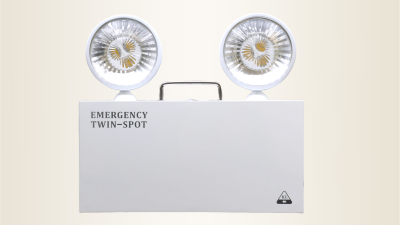
Enhancing safety in both commercial and residential environments is paramount, especially when it comes to emergency situations. The S265Y220L0606-10C1 model exemplifies advancements in emergency lighting technology. This robust 6V wall-mounted emergency lighting fixture stands out due to its ability to deliver dependable illumination during power outages. According to the National Fire Protection Association (NFPA), a significant percentage of emergency-related fatalities occur during blackouts. Therefore, equipping spaces with reliable emergency lights can greatly enhance safety and visibility.
Emergency lighting systems, such as the S265Y220L0606-10C1, are designed not only for functionality but also for aesthetic integration within any setting. Its sleek design merges seamlessly with various environments while its advanced features ensure that it functions effectively during emergencies. Industry reports indicate that facilities equipped with efficient emergency lighting see a marked reduction in injury rates, underlining the crucial role these systems play in compliance with safety regulations.
Furthermore, the choice of LED technology further amplifies the benefits of the S265Y220L0606-10C1. Studies show that LED lights have a lifespan that is significantly longer than traditional lighting, offering up to 50,000 hours of service. This longevity, combined with energy efficiency, not only guarantees performance during crises but also translates to cost savings for businesses and homeowners alike. In a world where safety cannot be compromised, investing in effective emergency lighting solutions is not just prudent, but essential.
: The global non-maintained emergency lighting market is projected to grow at a CAGR of 6.5% from 2021 to 2026.
Smart lighting solutions are expected to account for over 30% of the total emergency lighting market by 2025, improving reliability and cutting maintenance costs.
Utilizing LED technology can reduce emergency lighting energy consumption by up to 75%, significantly enhancing energy efficiency.
Smart emergency lighting systems offer features such as self-testing capabilities and automated alerts for maintenance needs, enhancing operational efficiency.
These systems allow for real-time monitoring and performance tracking, ensuring that lighting is always operational during emergencies, thereby enhancing safety.
Many manufacturers are focusing on sustainable design, utilizing energy-efficient LEDs and recyclable materials to promote environmental responsibility in emergency lighting.
By integrating smart technology, these systems enable remote monitoring and management, leading to reduced maintenance and operational costs.
Staying abreast of innovations is crucial for enhancing safety, ensuring compliance with evolving regulations, and embracing sustainability in facility management.
The proactive approach of automating routine checks helps businesses maintain compliance with safety regulations while reducing the potential for failures during emergencies.
These systems streamline operational processes, allow companies to focus on core activities, and support better emergency preparedness, all while being more cost-effective.


 Phone
 Send Email
 whatsapp