When you're thinking about home lighting options, Recessed Lights are definitely worth considering. They pretty much disappear into your ceiling, giving your space a sleek and modern vibe. Plus, they’re really efficient, making them a hit with homeowners who want both style and practicality. But here’s the thing — picking the right recessed lights really matters. You want to find that perfect balance between how they look and how they light up the room.
A popular pick is the 6 Inch Recessed Light — you can check it out [here](https://www.kl-international.com/6-inch-recessed-light). These are great if you need wider coverage, especially in bigger rooms. Still, don’t forget to think about brightness and color temperature — choosing the wrong one can leave your space feeling too harsh or just kinda dim. If you’re unsure, talking to a professional can save you a lot of headaches and help you avoid common mistakes.
Also, it’s super important to consider your home’s unique layout. Things like ceiling height and how you plan to use each room can really influence your lighting choices. Underestimating these details might leave you disappointed with the results. So, take your time when picking out your lights. After all, the right lighting can totally change the feel of a room, making it more comfortable and stylish. With a little thought, those recessed lights will totally upgrade your space — trust me!
Recessed Lighting: Understanding Basic Concepts and Terminology
Recessed lighting has gained popularity for its sleek and modern aesthetic. Understanding basic concepts is crucial for making informed choices. One key term is "can." This refers to the housing that holds the light and provides the basic structure. Knowing the different types, such as new construction and remodel cans, can impact your installation approach.
Another important aspect is understanding lumen output. This measures brightness. Choosing the right lumen output for each room creates an inviting atmosphere. For instance, a kitchen may require higher lumens compared to a cozy bedroom. Additionally, pay attention to the beam angle. A narrow beam can highlight art, while a wider beam provides ambient light.
Considering energy efficiency is essential. Recessed Led Lights are a smart choice as they consume less energy and last longer. However, quality varies. Not all Recessed Led Lights deliver the same performance; some may flicker or burn out quickly. Research and compare options thoroughly to avoid disappointment. Balancing quality and budget can be challenging, but investing time in this process pays off with lasting satisfaction.
Recessed Light Buying Tips for Efficient Home Lighting Solutions
| Feature | Description | Tip |
| Trim Type | Includes the appearance of the fixture and can be decorative or functional. | Choose a trim that complements your room's decor. |
| Light Output | Measured in lumens, it determines the brightness of the fixture. | Opt for higher lumens for larger spaces. |
| Color Temperature | Measured in Kelvin, it indicates the warmth or coolness of the light. | Select 2700K-3000K for a warm ambiance. |
| Bulb Type | Common types include LED, halogen, and CFL. | LEDs are more energy-efficient and have a longer lifespan. |
| Installation | Proper installation is crucial for optimal performance. | Consider hiring a professional for installation if unsure. |
| Dimmer Compatibility | Not all recessed lights work with dimmer switches. | Check if your selected bulbs are dimmable. |
Benefits of Recessed Lighting for Home Efficiency and Aesthetics
Recessed lighting has become a popular choice for homeowners seeking both efficiency and aesthetic appeal. This type of lighting offers several benefits that enhance the overall look and feel of a space, while being energy-efficient. According to the U.S. Department of Energy, recessed lights can be more effective than traditional fixtures in distributing light, leading to reduced electricity costs.
One key benefit of recessed lighting is its ability to create a seamless appearance in your home. These fixtures blend into the ceiling, providing a clean and modern look. They can be used to highlight architectural features or artwork, adding depth to your rooms. Additionally, they can improve the ambient lighting in spaces like kitchens and living areas, fostering a warm environment. Studies show that well-lit spaces can enhance mood and productivity by up to 20%.
When considering recessed lighting, focus on the positioning and type of bulb. LED bulbs are recommended for their longevity and low energy consumption. They typically use about 75% less energy than incandescent bulbs. Remember to calculate the amount of light needed for each room. A common tip is to plan for 100-150 lumens per square foot for living areas.
Keep in mind that while recessed lighting is efficient, improper installation can lead to light being poorly directed. It’s essential to consider dimmer switches, allowing for flexibility in ambience. Experimenting with placement can make a noticeable difference in your home.
Energy Efficiency: Comparing LED vs. Traditional Bulbs for Recessed Fixtures
When choosing recessed lighting, energy efficiency plays a crucial role. LED bulbs stand out as superior options compared to traditional incandescent bulbs. They consume significantly less energy, reducing monthly utility bills. For example, an LED bulb can use just 10-15 watts, while an incandescent might use 60 watts for the same brightness. Additionally, LED bulbs have a much longer lifespan, often lasting up to 25,000 hours or more. In contrast, traditional bulbs usually last about 1,000 hours.
However, it's important to consider the initial cost. LEDs tend to be more expensive upfront. This can be a barrier for some homeowners. Despite this, the long-term savings on energy and replacement costs typically outweigh that initial investment. Another aspect to reflect on is the quality of light. Some people find LED lighting to be harsher compared to the warm glow of incandescent bulbs. This can influence the overall ambiance of a room.
Installation of recessed fixtures is also key. Proper installation helps maximize the efficiency of the lighting. Positioning them too close together or at incorrect angles can lead to darker spots and wasted energy. Therefore, thoughtful planning in regards to layout and bulb selection is critical. It's wise to assess both immediate needs and long-term effects before deciding on the best lighting solution for your home.
Choosing the Right Size and Placement for Recessed Lights in Different Rooms
When considering recessed lights, size and placement are crucial for aesthetics and functionality. Choosing the appropriate size, such as a 5 Inch Recessed Light, can create a balanced look in any room. For smaller spaces, consider opting for narrower fixtures. They won't overpower the existing decor. A well-chosen light can serve as both a fixture and a design element.
Placement is as important as size. In living areas, spacing lights about four to six feet apart is a good rule of thumb. In kitchens, aligning lights with work areas ensures even brightness. However, be mindful of the light's spread. Overlapping beams can create harsh shadows. Avoid placing lights directly above seating areas, as this can cause glare.
It's important to test various configurations before finalizing placements. Sometimes, an initial layout may not provide the desired effect. Seeking different perspectives helps ensure the lighting meets your needs. Remember, lighting can enhance or detract from a room's atmosphere. Recessed lighting offers versatility, but thoughtful consideration is key.
Understanding Dimming Options and Control Systems for Recessed Lighting
When considering recessed lighting for your home, dimming options and control systems play a vital role in creating the perfect atmosphere. Dimmable recessed lights give you the flexibility to adjust brightness levels. This is especially useful in spaces like living rooms or home theaters, where mood is key. However, choosing the right dimmer switch can be tricky. Not all dimmers work with LED lights, leading to flickering or inadequate dimming.
Control systems are another layer to explore. Smart home technology allows you to control lighting via an app. Voice commands add convenience, especially when your hands are full. Yet, when setting up these systems, compatibility is crucial. A lack of research can result in frustration. Sometimes, users find that their selected smart dimmer lacks features they need. This highlights the importance of understanding your specific requirements and doing thorough research before making a purchase.
In conclusion, thoughtful consideration of dimming options and control systems can elevate your home lighting experience. However, don’t rush the decision. Take time to reflect on your needs and the potential for future upgrades. The right choice today can save you from regret tomorrow.
Installation Considerations: Professional vs. DIY Approaches to Recessed Lights
When considering recessed lighting installation, the choice between professional and DIY approaches can significantly impact both functionality and aesthetics. A recent industry report indicates that up to 70% of homeowners choose to hire professionals for electrical installations. This preference often stems from the complexities involved—such as understanding load distribution and adhering to safety codes. Professional electricians can ensure proper placement for Dimmable Recessed Lights, creating a versatile atmosphere that adapts to various needs.
On the other hand, many homeowners opt for DIY projects to save costs and personalize their space. However, this approach can lead to challenges if proper research is not conducted. For instance, an improperly installed recessed light may result in uneven lighting or excessive glare. Furthermore, a study showed that nearly 40% of DIY installations in residential settings required professional correction. This statistic underscores the importance of weighing skill and experience against the cost savings of a do-it-yourself installation.
Those who decide to go the DIY route should invest time in learning about the specifics of recessed lighting. Understanding the right wattage, placement, and type of dimmable recessed light can make a notable difference in energy efficiency and overall ambiance. Be ready to face potential headaches. Each installation may involve adjustments or even rewiring, which can be daunting for the untrained. Reflecting on these considerations can lead to more informed decisions and a more satisfying outcome in your lighting choices.
Recessed Light Installation Approaches
This chart illustrates the comparison between professional and DIY approaches to recessed light installation. As seen, 75% of users prefer professional installation for efficiency, while 25% opt for DIY methods, highlighting the trend towards seeking expert help for home lighting solutions.
Maintenance Tips: Ensuring Longevity and Optimal Performance in Recessed Lighting
Maintaining Recessed Lights is crucial for their longevity and optimal performance. Regular dusting is essential. Dust buildup can dim the light, affecting visual comfort. Use a soft, dry cloth to wipe the fixtures gently. This simple step can enhance brightness significantly.
Check the bulbs periodically. LED and halogen recessed lights have different lifespans. Ensure you replace bulbs before they burn out completely. A sudden failure can disrupt your home’s ambiance. Pay attention to flickering lights, too; they may indicate wiring issues or the need for a new bulb.
Conduct electrical inspections regularly. Frayed wires or loose connections can lead to safety hazards. Address these issues promptly to avoid any potential dangers. If unfamiliar with electrical work, consult a qualified electrician. Investing in professional advice ensures that your recessed light fittings are safe and functioning well. Regular maintenance and vigilance lead to a reliable lighting solution in your home.
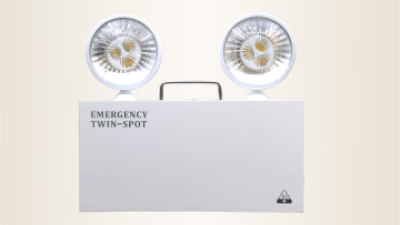
Enhancing Safety: The Advantages of the 2x3w Surface Mounted LED Twin-Spot Emergency Light (12V) for Emergency Lighting Solutions
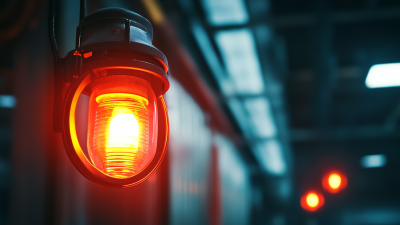
In today's world, safety is paramount, especially in emergency situations where reliable lighting can make all the difference. The use of the 2x3w surface-mounted LED twin-spot emergency light (12V) offers remarkable advantages for emergency lighting solutions. This innovative device is specifically designed to provide strong illumination in the event of a power outage, ensuring that individuals can navigate safely and effectively during unexpected blackouts. Its dual-spot design maximizes coverage, making it suitable for both comprehensive and targeted lighting needs.
The S290Y220L1206-10C2 exemplifies the best features in modern emergency lighting technology. This wall-mounted fixture not only boasts a sleek and contemporary aesthetic but also combines efficiency and dependability. The 12V power source allows for lower energy consumption while providing optimal brightness, which enhances visibility in critical moments. Whether for residential use or commercial applications, this emergency light ensures that safety is never compromised, even during the darkest hours. With such advanced capabilities, the inclusion of this device in any emergency preparedness strategy is an essential step toward safeguarding lives and property.
FAQS
: Size affects both aesthetics and functionality. A well-chosen size harmonizes with the room's decor.
A good rule of thumb is to space lights four to six feet apart for balanced illumination.
Align lights with work areas for even brightness, avoiding harsh shadows from overlapping beams.
Placing lights directly above seats can cause glare, making the space uncomfortable.
Test various configurations before finalizing placements to achieve the desired atmosphere.
Dimmable lights allow you to adjust brightness, creating the perfect mood in different settings.
Not all dimmer switches work well with LED lights, which can lead to flickering issues.
You can use apps or voice commands to control lights, adding convenience to your daily life.
Check compatibility with your lights and ensure it has the features you need to avoid frustrations.
Taking time can prevent regrets from hasty choices that may not meet future requirements.
Conclusion
Recessed lighting, a popular choice in modern home design, offers numerous benefits for both efficiency and aesthetics. Understanding the basic concepts and terminology surrounding recessed lights is crucial for homeowners looking to enhance their living spaces. These fixtures not only contribute to a clean and unobtrusive look but also allow for better utilization of space, particularly in smaller rooms.
When choosing recessed lights, it's important to consider energy efficiency, especially when comparing LED and traditional bulb options. Proper sizing and placement of recessed lights can significantly influence the ambiance in various rooms. Homeowners should also explore dimming options and control systems for added flexibility. Whether opting for professional installation or a DIY approach, attention to maintenance will ensure the longevity and optimal performance of recessed lighting. By following these guidelines, anyone can create a well-lit and inviting environment in their home.




 Phone
 Send Email
 whatsapp