Leave Your Message
You know, when we think about keeping our workplaces safe, picking the right Emergency Fire Lights is super important. These lights do way more than just light up the escape routes during a crisis; they’re a key part of the whole evacuation plan. But let’s face it, figuring out the best emergency fire lighting options can be tough for business owners. At Foshan Kaili Lighting Technology Co., Ltd., we’ve been in the Emergency Lighting game since 2004, and we totally get how complicated this can be. With loads of experience and a solid R&D team behind us, we’re ready to help businesses tackle these issues. We want to make sure you’re not just checking off safety regulations, but truly boosting the safety of your space. So, in this blog, we’re going to dive into some of the common bumps in the road when it comes to choosing emergency fire lights and share some tips on how to smoothly navigate through them.
So, let’s talk about emergency lighting for your business. It’s really important to pin down what your specific needs are because every establishment is a bit different. You’ve got to think about things like size, layout, and how many folks are usually around. For instance, if you're running a holiday let or an event venue that gets a crowd, you definitely want to meet fire safety regulations with your emergency lights. This isn’t just about ticking boxes; it’s about keeping your guests safe. Knowing these rules helps you stay on the right side of the law and makes your place a lot safer when it comes to dealing with fires or other emergencies.
Now, another thing to keep in mind is the minimum run-time for emergency lights. This can really differ based on what kind of facility you have. Ideally, those lights should be good for at least 30 minutes, but some places might need them to keep shining for up to 120 minutes! Also, don’t forget; you've gotta test those emergency lighting systems regularly—like, once a month at the very least—to make sure they’re actually going to work when you really need them. By doing all this, you can get a solid grip on what your emergency lighting needs are, so you're ready for anything that might come up, especially when things get busy and the potential for hazards goes up.
So, when you're picking out emergency fire lights for your business, it's really important to get a handle on local fire safety rules and how to comply with them. Recently, Taiwan updated its Fire Services Act, and they’ve upped the penalties for not following the rules. This means if you own or manage a property, you’ve got to stay on top of what’s required of you. It’s not just about checking off boxes on legal forms; it genuinely affects the safety of your employees and customers. If you slip up and don’t meet these regulations, you could end up facing some serious legal and financial issues.
And it’s not just the local stuff you need to worry about! If you’re in India, for instance, the National Building Code (NBC) is something you’ll want to familiarize yourself with as well. We're talking about a real push for better fire safety across various sectors here. Regular inspections and sticking to the updated safety guidelines are key to avoiding any potential hazards down the line. Just look at those recent lawsuits where businesses got burned—pun intended—because they didn’t secure the necessary permits. Being proactive about compliance not only cuts down on risks but also helps create a safer workplace overall. So, putting some money into fire safety measures and really understanding what your regulatory responsibilities are can go a long way in protecting your business and its future.
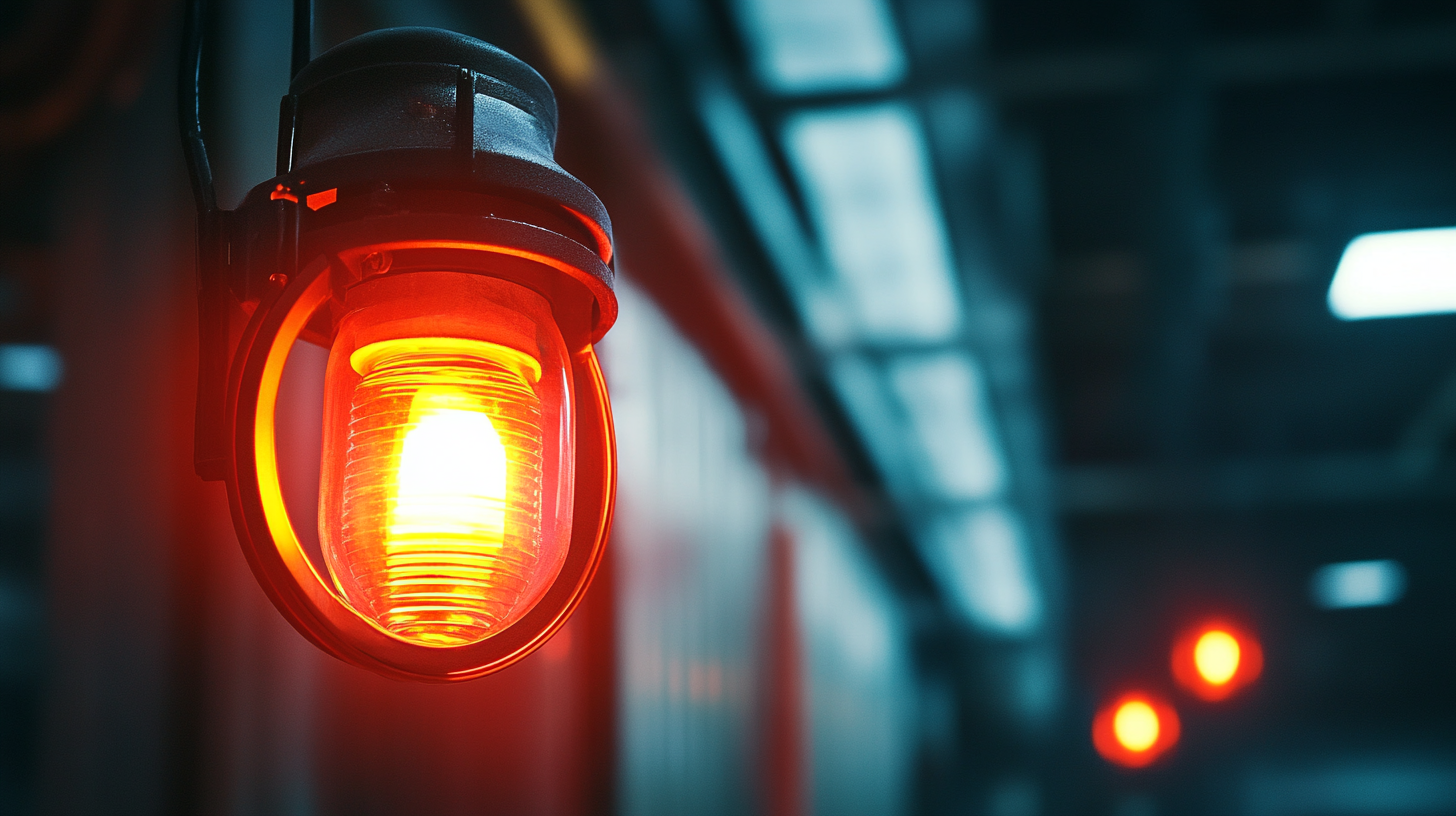
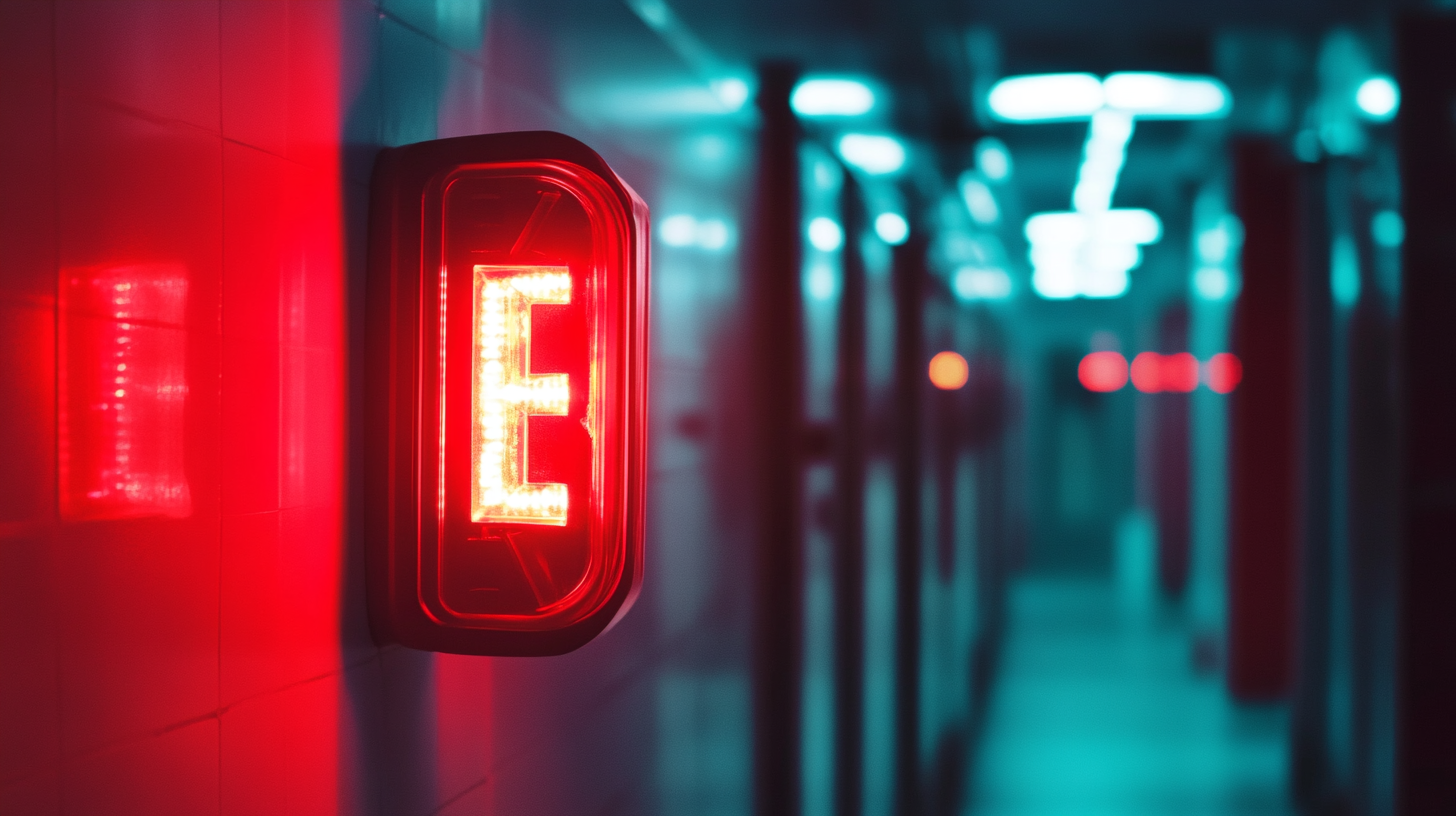
When it comes to safeguarding your business against emergencies, selecting the right emergency fire lights is crucial. Emergency fire lights come in a variety of forms, each designed to serve specific needs in crisis situations. Among the most common types are LED Exit Signs, which illuminate escape routes clearly and can last for years, reducing maintenance costs. Battery-powered lights are another option, ideal for areas where power outages are frequent, providing a reliable source of illumination when it’s needed most. These lights are generally easy to install and offer flexibility in placement.
Another important type to consider is the combination of emergency lights and exit signs in one unit. This dual functionality not only saves space but also ensures that crucial information is readily available in low visibility situations. Solar-powered emergency lights are gaining popularity as well, especially for businesses looking to minimize their carbon footprint. While they require an initial investment for installation, their long-term energy savings and reliability make them a cost-effective solution. Ultimately, evaluating these different types of emergency fire lights can help you make an informed decision that enhances safety and preparedness in your business environment.
Picking out emergency fire lights for your business can feel a bit overwhelming, right? One of the big things you really gotta keep in mind is finding the sweet spot between installation costs and how much you’ll be spending on maintenance down the line. So, according to the folks at the National Fire Protection Association (NFPA), you might be looking at anywhere from $2 to $10 per square foot just for the installation, and honestly, it depends a lot on what exactly you need and the tech you decide to go with. For bigger businesses, this upfront cost can really add up! But here’s the kicker: those initial expenses can often be balanced out by smart long-term maintenance plans that not only help reduce risks but also keep you compliant with safety rules.
And let’s be real—long-term maintenance isn’t just about switching out burnt bulbs; it’s all about making sure the whole system is running smoothly with regular testing and inspections. A report from the International Fire Safety Standards Coalition even points out that keeping up with routine maintenance can actually cut your overall costs by up to 30% over time. It’s definitely something that businesses should keep in mind when making these decisions. Plus, well-maintained fire lighting systems not only boost your safety game, but they can also help slash those insurance premiums, making it a pretty nice return on your investment. So, while those initial installation costs might look scary, don’t forget about the sweet long-term savings that come with a solid maintenance strategy!
Choosing the right emergency fire lights for your business can feel like a daunting task, but it really comes down to a few key features that can make a big difference. You want to make sure your space is well-lit because, let’s be honest, good visibility can significantly cut down on accidents and help everyone respond quickly in case of an emergency. So, think about things like how bright the lights are, how long the batteries last, and the angle of the light beam—these elements really matter when the pressure's on and you need your lights to perform their best.
Also, don’t forget about adaptability! It’s super important that your fire lights can handle different scenarios, whether you’re faced with a power outage or maybe some changes in your building's layout. Look for lights that are built tough, can withstand various weather conditions, and can be installed in different spots without a hassle. At the end of the day, you want a space that’s not just glowing but also guiding people safely to exits, making it easier for first responders to do their jobs, and giving your team that warm fuzzy feeling knowing you’re ready for anything. So, when you're picking out fire lights, remember that going for the right features not only keeps you compliant but also shows how much you care about safety in your business.
When it comes to fire safety, it’s super important to remember that regular testing and upgrading of equipment is a must. The U.S. fire safety equipment market is projected to grow to around $15.96 billion by 2030, which really shows how much people are starting to care about safety standards in different industries. Plus, with the recent updates like the changes to BS 9991:2024, businesses really need to make sure their fire safety systems aren’t just ticking boxes for compliance but are actually working well, too.
You know, testing fire safety gear regularly isn’t just a good idea; it’s essential for staying compliant and making sure everything runs smoothly when emergencies hit. As new fire testing facilities pop up, they’re making the product testing process faster, which is awesome for manufacturers trying to keep up with all the changing safety regulations. It’s all about being proactive and keeping your business safe—this way, you can protect both your employees and your assets while dodging potential liabilities.
**A Few Tips for Businesses:**
1. Don’t forget to schedule regular inspections and testing of fire alarms and lights to make sure they’re working properly.
2. Keep yourself in the loop about updates in industry regulations and standards to stay compliant.
3. Invest some time in training your staff about the importance of fire safety protocols and how to operate safety equipment effectively.
| Challenge | Impact | Solution | Frequency of Testing |
|---|---|---|---|
| Budget Constraints | Possibly inadequate lighting during emergencies | Prioritize essential upgrades | Monthly |
| Regulatory Compliance | Risk of penalties and legal issues | Regularly review local fire safety regulations | Quarterly |
| Technological Changes | Outdated equipment may fail | Invest in modern fire safety technology | Bi-annual |
| Training Staff | Poor response during emergencies | Conduct regular training sessions | Monthly |
| Integration with Existing Systems | Incompatibility may lead to failures | Ensure compatibility with existing infrastructure | Annually |
: Understanding local fire safety regulations is essential to ensure compliance and protect the safety of employees and customers. Non-compliance can lead to significant legal and financial consequences.
Failing to comply can result in stricter penalties, legal actions, and financial liabilities, impacting the business's operations and reputation.
Common types include LED exit signs, battery-powered lights, combination emergency lights and exit signs, and solar-powered emergency lights, each serving specific needs in emergencies.
LED exit signs clearly illuminate escape routes, have a long lifespan, and reduce maintenance costs, making them an efficient choice for emergency lighting.
Regular testing and upgrading of fire safety equipment ensure compliance with updated standards and optimal performance during emergencies, protecting employees and assets.
Businesses should schedule regular inspections and testing of fire lights, stay informed about updates in regulations, and invest in staff training on fire safety protocols.
Solar-powered lights minimize carbon footprints and, while requiring an initial investment, offer long-term energy savings and reliability.
The NBC outlines essential safety measures and regulations that businesses must follow, highlighting the urgent need for enhanced fire safety across various sectors.
The U.S. fire safety equipment market is projected to grow due to increased awareness of safety standards, and updates to fire safety regulations emphasize the need for compliant and functional systems.
Proactive compliance reduces risks of legal issues and enhances safety within the workplace, ultimately fostering a safer environment for all.


 Phone
 Send Email
 whatsapp