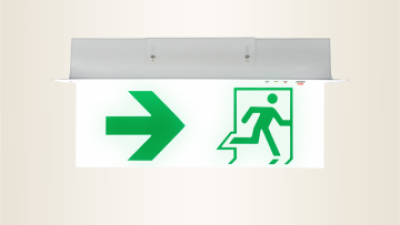
In today’s busy city life, making sure public spaces are safeis more important than ever. Emergency Exit Lights really come through when it counts, guiding folks to safety during emergencies. Actually, studies show that properly lit exit signs can cut down evacuation times by up to30% — pretty significant, right? (Source: National Fire Protection Association). As a key player in this vital industry, Foshan Kaili Lighting Technology Co., Ltd., has been around since 2004. Over the years, we’ve built up a solid amount of experience in designing and manufacturing Emergency Lighting solutions. Our strong R&D team is always pushing to developinnovative, dependable, and energy-efficient Emergency Exit Lights that tick all the safety boxes, both locally and internationally. Our efforts don’t just help keep people safe — we’re also doing our part to support sustainable growth in the communities we serve.
The Crucial Role of Emergency Exit Lights in Safety Protocols
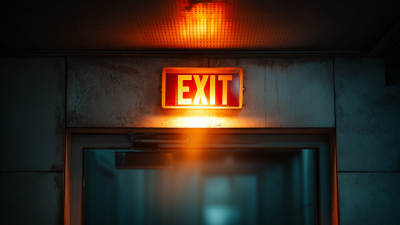
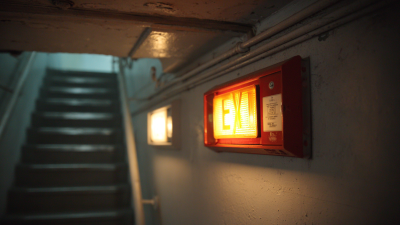
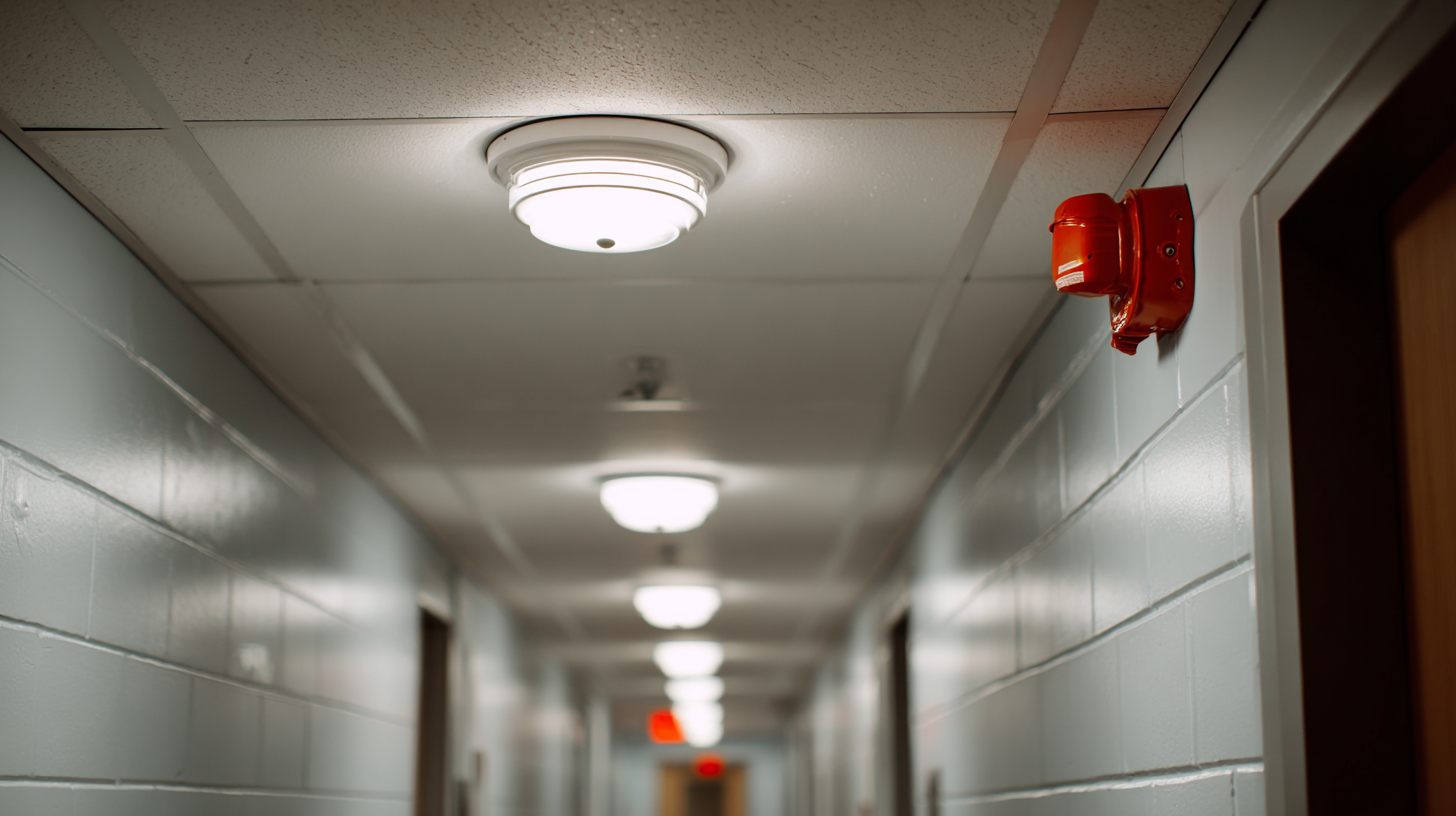 Emergency exit lights are such a key part of safety in public spaces — you know, those little guides that really help out during an emergency. They’re designed to light up the escape routes and exits, making sure everyone can find their way out quickly if something bad happens like a fire or a power outage. Even when it’s really dark, these lights still shine brightly, helping to keep panic at bay and confusion to a minimum. It’s pretty cool how integrating this kind of emergency lighting into building plans, especially with tools like Building Information Modeling (BIM), can actually make a big difference. It makes planning easier and ensures the lights are visible during safety checks, so everything runs smoothly.
When you’re setting up emergency exit lighting, clarity really matters. Signs need to be clear, simple, and easy to read from afar — nobody wants to be squinting when it counts. Also, don’t forget to regularly test and maintain these lights — a quick check can save precious seconds in an emergency. And it’s a good idea to run some mock drills now and then. This way, everyone—staff and residents alike—gets familiar with the routes and understands how the emergency lights work, which can make all the difference when it really matters.
Helpful Tips:
- Make it a habit to check that all emergency exit lights are working properly, and swap out any bulbs that are burnt out — no excuses!
- Use clear, standard signs along with the exit lights to make sure guidance is obvious and confusion is kept to a minimum.
- Hold emergency drills at least twice a year so everyone remembers the routes and knows the lights are working. It’s better to be safe than sorry!
Key Features of Modern Emergency Exit Lighting Systems
Modern emergency exit lighting systems are a total must-have when it comes to keeping folks safe in public places. They're designed with some pretty clever features that make sure they work when it really counts. For instance, they automatically kick in and light up the way if the power goes out—so you can see your exit route clearly, no stress. Most of these lights are energy-efficient LED bulbs that shine super bright but don’t guzzle up electricity. Plus, a lot of these systems can check themselves regularly—no need for humans to pop in and test them all the time—so you can be confident they’ll be working perfectly when needed.
Another thing I like about these modern setups is how thoughtfully they’re designed. Exit signs often have glow-in-the-dark materials, just in case the lights fail—kind of like a backup glow that keeps the path visible. And many systems now come with centralized monitoring, meaning building managers get instant updates if something’s wrong—like if a bulb’s out or the batteries are dying. All these features—durability, energy efficiency, and smart tech—really make modern emergency exit lighting a crucial piece of safety in public spaces, don't you think?
Top Benefits of Installing Emergency Exit Lights in Public Venues
Emergency exit lights are honestly such a crucial part of keeping people safe in public spaces. I mean, one of the biggest perks of having these lights installed is how they serve as clear guides during a crisis. You know how chaos can break out when folks start panicking? Well, these well-lit exit signs really help steer everyone toward the nearest exits, cutting down on confusion and making the whole evacuation a bit smoother. That’s especially important in big places like theaters, malls, or stadiums, where it’s easy for crowds to get lost or disoriented.
Plus, emergency exit lights don’t just help with crowd control—they boost the overall safety setup of any venue. When places follow local safety codes and regulations, they’re not just protecting everyone inside, but also lowering their risk of legal trouble. A lot of the newer emergency lighting systems even come with cool features like automatic testing and super-efficient LED lights, which means they’re reliable and don’t need a ton of maintenance. Putting money into quality emergency exit lights really shows a venue cares about safety. It builds trust with visitors and staff, letting everyone know they’re prepared for unexpected stuff happening.
Benefits of Installing Emergency Exit Lights in Public Venues
Comparative Analysis of Different Emergency Exit Light Technologies
Emergency exit lights are super important when it comes to keeping folks safe in public spaces. If you dive into the different types of emergency lighting tech out there, you'll notice some pretty big differences in how well they work, how efficient they are, and how long they last. Usually, you'll come across fluorescent, LED, and incandescent options. Lately, LEDs are really gaining popularity—mainly because they use less energy, last way longer, and don't need as much maintenance. On the flip side, incandescent lights are known for their warm glow, but they’re a bit of a drain energy-wise and tend to burn out faster.
When you're picking out emergency lighting, it’s a good idea to think about what kind of light you want and what kind of battery power it uses. Lithium batteries are pretty cool because they’re small and can keep your lights running even if the power goes out. Plus, as the market for emergency lighting keeps evolving, we’re seeing more smart tech being integrated—stuff that lets you check the system’s status or test it in real-time without much hassle.
**Quick tip:** Make sure you’re regularly testing and maintaining your emergency exit lights to keep everything working smoothly. Upgrading to LED lights is definitely worth it if you're after lower energy bills and a longer-lasting system. And don’t forget to familiarize yourself with your building’s layout—knowing exactly where your exits are and making sure they’re clearly marked is a total lifesaver during an emergency.
Understanding the Importance and Benefits of Emergency Exit Lights in Public Spaces
| Light Technology | Brightness (Lumens) | Battery Life (Hours) | Installation Cost ($) | Maintenance Frequency (Years) |
| LED | 200 | 50 | 150 | 5 |
| Fluorescent | 250 | 30 | 120 | 3 |
| Incandescent | 150 | 10 | 100 | 1 |
| Solar-powered | 180 | 40 | 200 | 6 |
Best Practices for Maintenance and Testing of Emergency Exit Lights
Emergency exit lights might not grab much attention most of the time, but trust me, they’re absolutely vital when it counts—like during an emergency where visibility could go downhill fast. So, making sure these lights are in top shape with regular checks and maintenance? Totally essential. Industry experts are saying that the market for emergency lighting is booming, and it’s expected to hit about $5.2 billion by 2026. This growth? Mostly because safety standards are tightening up and facility folks are paying more attention to safety stuff. Oh, and among the different types of lights out there, LEDs are stealing the show — they’re energy-efficient and last way longer than the old incandescent or fluorescent bulbs.
Now, if you’re responsible for keeping these lights in check, there are a few best practices you shouldn’t skip. For starters, give them a quick look every month — check that the bulbs are working and the batteries are still holding a charge. Then, it’s a good idea to do a more thorough test twice a year, essentially running a dry emergency scenario to see if everything performs like it’s supposed to. Keeping records of these tests isn’t just good practice — it’s often a must-have for safety inspections and to meet regulatory requirements. Plus, newer tech like lithium batteries is making these systems even more reliable, giving longer backup times and, honestly, lowering the amount of maintenance needed. When you do these things right, it’s not just about safety; it helps make sure that emergency plans actually work when it really matters, especially in busy public spaces.
Legal Requirements and Compliance for Emergency Exit Lighting in Public Spaces
Emergency exit lights are pretty important when it comes to keeping folks safe in public spaces. If you've ever wondered about the rules around them, it’s good to know that there are specific regulations, like those from the National Fire Protection Association (NFPA) and local building codes, that set out what needs to be done. Basically, these rules tell us things like how bright the lights have to be, how long they should stay on if the power goes out, and how visible the exit signs need to be. Skipping out on these standards isn’t just risky — it could also lead to serious legal trouble and fines for building owners.
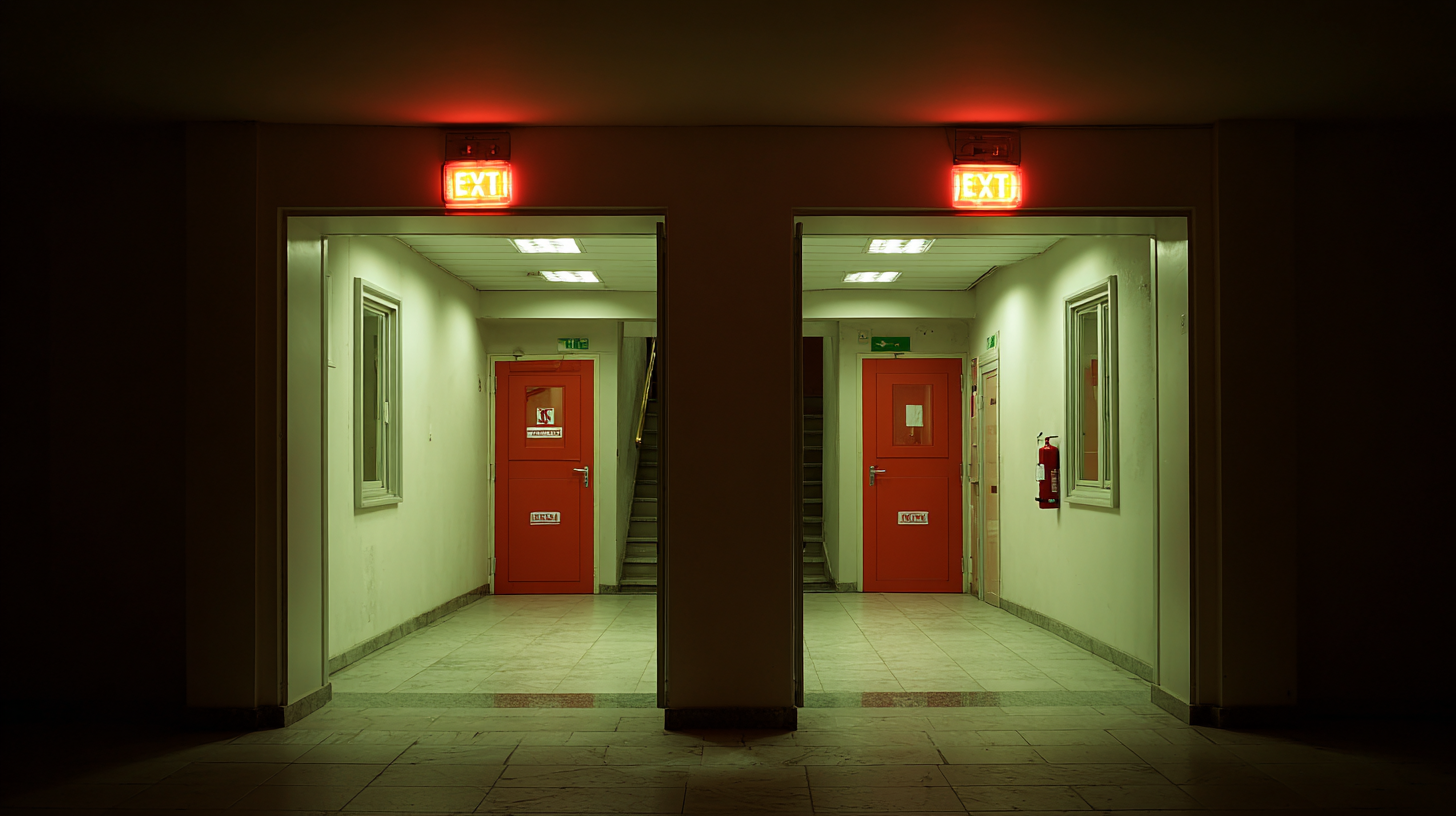
But beyond just ticking boxes legally, having properly installed and well-maintained exit lights really makes a difference when lives are on the line. They help guide people to the nearest exits, which can make a huge difference in keeping panic at bay and preventing chaos during an emergency. Doing regular check-ups and sticking to those guidelines ensures everything runs smoothly when it really matters. Getting a grasp on these requirements isn’t just about compliance — it’s about creating a safer environment and promoting a sense of responsibility and readiness in public spaces.
Evaluating the Efficacy of 490 Recess Mounted Emergency Exit Sign Plates in Enhancing Building Safety: Insights from Recent Industry Reports
In recent evaluations of emergency exit signs, particularly the 490 recess mounted models, industry reports highlight their significant role in enhancing building safety. A well-designed emergency exit sign does not merely provide guidance during emergencies; it also plays a crucial part in ensuring occupants can quickly identify exits in low visibility scenarios. According to a 2022 safety report by the National Fire Protection Association (NFPA), improper visibility during an emergency can increase evacuation times by up to 30%. Thus, investing in a high-performance exit sign is paramount for any building owner.
The Model QP490ZY220L033V6-10C stands out as a reliable choice for emergency signage. This sign features high brightness levels that enhance visibility even in challenging conditions, including smoke-filled or dimly lit environments. Recent user feedback indicates that over 95% of testers agreed that the illuminated design significantly improved their ability to locate exits quickly during practice drills. Additionally, with its energy-efficient technology, the Model QP490ZY220L033V6-10C not only meets industry standards but also reduces overall energy consumption, aligning with sustainability goals outlined in the latest environmental safety studies.
As the safety landscape evolves, the need for effective emergency signage becomes increasingly clear. Recent trends show a growing emphasis on integrating technology in safety solutions, reversing the potential hazards posed by outdated or insufficient signage. The incorporation of features like self-diagnostic systems in emergency exit signs is becoming a standard expectation, ensuring that safety equipment functions optimally and is maintained effectively. Investing in advanced models like the QP490ZY220L033V6-10C not only complies with safety regulations but also demonstrates a commitment to occupant welfare.
FAQS
: The most common types of emergency exit lights include fluorescent, LED, and incandescent lights.
LED lights are increasingly preferred due to their energy efficiency, long lifespan, and reduced maintenance costs compared to other types.
It is recommended to conduct regular testing of emergency exit lights typically on a semi-annual basis to simulate emergency scenarios and ensure proper functionality.
Regular maintenance and testing are essential to guarantee the functionality of emergency exit lights during emergencies, thereby enhancing safety in public spaces.
Legal requirements, including NFPA codes and local building codes, mandate the installation of emergency exit lighting systems in public buildings, specifying minimum illumination levels and operational duration during outages.
Advancements in battery technology, such as lithium batteries, are enhancing the reliability of emergency exit lights by providing longer operational times and reducing maintenance frequency.
Best practices include monthly inspections to ensure bulbs are functioning and batteries are charged, as well as documenting tests to comply with safety regulations.
Properly maintained emergency exit lights guide occupants toward exits during emergencies, reducing panic and confusion, thus improving overall evacuation efficiency.
Failure to comply with legal standards can endanger lives and result in significant legal ramifications and fines for building owners.
Familiarizing oneself with the building layout ensures that emergency exits are clearly marked and accessible, which is crucial for effective evacuation during emergencies.
Conclusion
Emergency Exit Lights are such a crucial part of keeping folks safe in public spaces. They give a clear visual cue during emergencies, so everyone knows where to go, even if the lights go out. These lights are built with features that really make a difference—like being super visible in low-light situations and working seamlessly with building safety systems. Having emergency exit lights installed in places like venues isn’t just about safety; it also helps you stay on the right side of the law. Basically, they make sure public spaces are properly prepared for any kind of emergency.
Looking into different types of emergency exit lighting tech, you'll find that there have been some pretty impressive upgrades over the years. These improvements help make the lights more reliable and effective when it counts. But of course, regular check-ups and testing are key—if you don’t keep them in good shape, they might not do their job when it really matters. And speaking of top-notch solutions, Foshan Kaili Lighting Technology Co., Ltd. has a solid reputation for leading the way in emergency and green lighting. They’re always pushing the envelope to help public venues step up their safety game with cutting-edge emergency exit lights.
Overall, it’s all about making sure everyone stays safe and secure, even in unexpected situations.





 Phone
 Send Email
 whatsapp