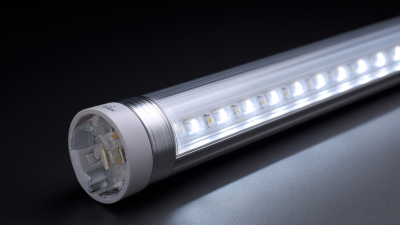
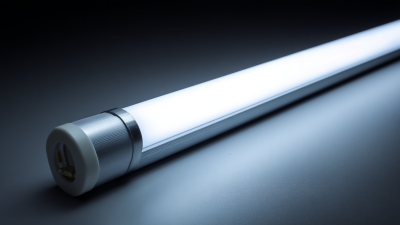
When you're looking to boost your outdoor spaces, picking the right lighting can really make all the difference. And honestly, a Waterproof Led Tube is pretty much one of the best options out there — it’s durable, efficient, and built to last. I remember talking to lighting pro John Smith about this, and he made a good point: "If you want your outdoor setups to look great and stand up to the weather, investing in quality Waterproof LED Tubes is a must." It kind of sums up why choosing the right product is so important — you get both style and longevity.
As more folks start sprucing up their outdoor areas, it's good to really understand what these Waterproof LED Tubes can do. They’re super versatile and designed to handle water and moisture, making them perfect for gardens, patios, or any outdoor nook. When picking them out, pay attention to things like lumens, color temperature, and wattage — these details matter whether you're a homeowner or a contractor. They help you make smarter choices, make your lighting look awesome, and keep things safe and efficient.
All in all, choosing Waterproof LED Tubes isn’t just about throwing light into the darkness; it’s about creating welcoming outdoor spaces that can handle the worst weather. With a little guidance and some careful thought, you can find the perfect tube that fits your specific project. It’s all about blending function with that amazing touch of brilliance that makes your space stand out.
Choosing the Right Waterproof Rating for LED Tubes in Outdoor Settings
When selecting waterproof LED tubes for outdoor projects, understanding the waterproof rating is crucial. The rating typically follows the Ingress Protection (IP) standard, which defines how effectively the product resists water and dust. For instance, an IP65 rating indicates the tube is protected from water jets, making it suitable for outdoor use where it might be exposed to rain or splashes. On the other hand, a tube with a lower rating may only tolerate light moisture, rendering it inadequate for more rigorous outdoor environments. Thus, carefully assessing the IP rating based on your project requirements is essential.
Tips: Always consider the local climate when choosing your LED tubes. If you live in an area prone to heavy rainfall or snow, opting for LED tubes with higher ratings, such as IP67 or IP68, ensures durability. Additionally, think about the installation location; areas that are consistently exposed to moisture or high humidity might benefit from more robust options to prevent damage over time. Lastly, remember that proper installation also plays a role in long-term performance, as even the best-rated tubes can fail if not properly sealed.
Waterproof Rating Comparison for LED Tubes
Understanding LED Tube Lifespan and Durability for Outdoor Use
When selecting a waterproof LED tube for outdoor projects, understanding the lifespan and durability of the product is crucial. The lifespan of LED tubes is typically measured in hours of operation, with many designed to last over 25,000 hours. However, their true longevity hinges on several factors, including the quality of materials used and the environmental conditions they are exposed to. Tubes specifically engineered for outdoor use should be constructed with robust housings that resist moisture, UV radiation, and temperature fluctuations, ensuring they remain functional and aesthetically appealing over time.
Durability is not just about how long the lights can last, but also how well they can withstand external stresses. A well-designed LED tube will have features like reinforced seals and impact-resistant materials, which help protect against mechanical damage and environmental debris. Additionally, attention to the heat dissipation properties is vital; excellent thermal management can significantly enhance performance and reliability. Therefore, when choosing an LED tube for outdoor projects, focus on products that clearly demonstrate their ability to endure harsh outdoor conditions, providing both reliability and long-lasting illumination for your needs.
Evaluating Brightness and Color Temperature for Outdoor Projects
When selecting the best waterproof LED tube for outdoor projects, two critical factors to consider are brightness and color temperature. Brightness, measured in lumens, plays a crucial role in ensuring that your space is well-lit and functional. For outdoor applications, it's essential to choose a tube that provides adequate illumination without overwhelming the area with excessive light. A balance should be struck between visibility and comfort, making it vital to calculate the needed lumens based on the specific application—whether it's for landscaping, safety, or recreational spaces.
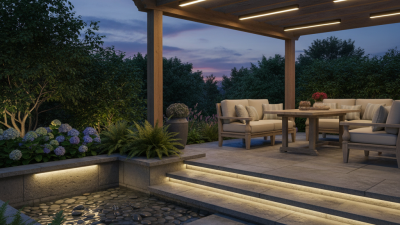
Color temperature, expressed in Kelvin (K), significantly impacts the ambiance and usability of outdoor environments. Warmer temperatures (around 2700K to 3000K) create a cozy and inviting atmosphere, ideal for patios and social areas. In contrast, cooler temperatures (above 4000K) yield a brighter and more energizing effect, which can enhance visibility for tasks like home improvement projects. It's important to consider the intended use of the space; for example, warmer hues may be preferable for relaxation zones, while cooler lights can improve focus and visibility in work-related environments.
Ultimately, balancing brightness with the appropriate color temperature will help ensure that your outdoor space is both functional and aesthetically pleasing.
Comparing Power Consumption and Energy Efficiency of LED Tubes
When selecting waterproof LED tubes for outdoor projects, one crucial aspect to consider is their power consumption and energy efficiency. Recent industry reports indicate that LED tubes consume significantly less energy than traditional fluorescent lights. For instance, a typical LED tube can consume about 40% less energy while providing equivalent or even better lumen output. This efficiency translates to lower electricity bills and a reduced carbon footprint, making LED technology not only cost-effective but also environmentally friendly.
When comparing different waterproof LED tubes, it’s essential to evaluate their wattage and lumens per watt (lm/W). A higher lm/W ratio means more light produced per watt of energy consumed, which is vital for maximizing energy efficiency. According to a report from the U.S. Department of Energy, the average efficacy of LED lighting has improved dramatically over the past decade, reaching more than 100 lm/W for most outdoor applications. This advantage allows for proper outdoor illumination while keeping energy costs at bay.
Tips:
1. Ensure that the LED tubes are rated for outdoor use, as only those with robust waterproofing can withstand various weather conditions without compromising efficiency.
2. Look for LED tubes with an adjustable color temperature that can adapt to different outdoor settings; this not only enhances ambiance but can also affect energy consumption based on specific lighting needs.
3. Always check the warranty and lifespan ratings, as high-quality LED tubes should last longer and maintain their efficiency even after years of usage.
Analyzing Installation Methods and Requirements for Outdoor LED Tubes
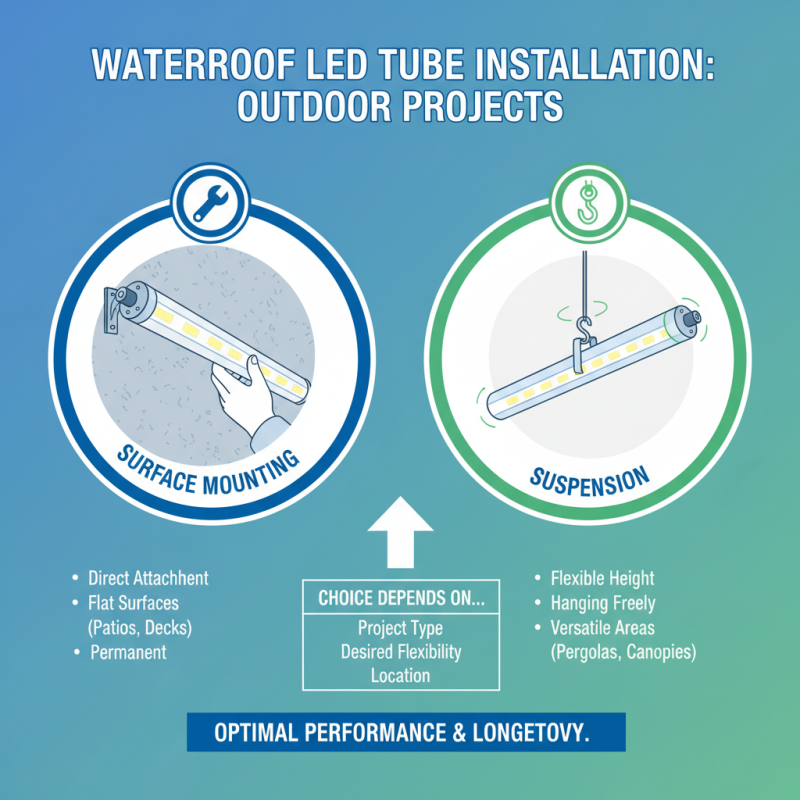
When selecting waterproof LED tubes for outdoor projects, understanding the installation methods and requirements is crucial for ensuring optimal performance and longevity. First, consider the mounting options available, such as surface mounting or suspension. Surface mounting involves directly attaching the LED tube to a flat surface using brackets, making it ideal for patios or decks where a permanent installation is desired. For areas requiring more versatility, suspension methods can provide flexibility, allowing the light to hang freely or be adjusted according to the desired height.
Additionally, it is essential to evaluate the environmental conditions where the LED tubes will be installed. Factors such as exposure to moisture, UV rays, and temperature fluctuations must be taken into account. Ensuring proper sealing and compliance with IP (Ingress Protection) ratings is vital; an IP65 rating or higher indicates that the fixtures are well-protected against water and dust. Furthermore, verifying that the electrical components and wiring are rated for outdoor use can prevent potential hazards related to short circuits or electrical failures. By carefully examining these installation methods and requirements, users can select the most suitable waterproof LED tubes for their specific outdoor applications.
Reviewing the Impact of Temperature Range on LED Tube Performance
When selecting a waterproof LED tube for outdoor projects, understanding the impact of temperature range on performance is crucial. LED lights generally operate efficiently within a specified temperature range, typically between -20°C to 40°C. However, extreme temperatures can affect not only the light output but also the longevity of the fixtures. According to the Illuminating Engineering Society (IES), a significant drop in luminous efficacy occurs in LEDs operating below their optimal temperature, often resulting in a decrease in brightness and color accuracy.
Moreover, high temperatures can lead to thermal management issues, where excessive heat impacts the LED driver and can accelerate degradation of the electronic components. The U.S. Department of Energy has reported that improper thermal management can reduce the lifespan of LED products significantly, with high heat potentially shortening their lifespan by up to 50%. Therefore, when choosing a waterproof LED tube, it is essential to verify its temperature tolerance specifications and seek models that incorporate effective thermal management systems.
Additionally, consider the environmental conditions in the installation site. For instance, areas with high humidity may require models with superior waterproof ratings (like IP67 or higher) to prevent moisture ingress, which can further entrap heat and affect temperature regulation. Selecting an LED tube that maintains consistent performance across varying temperatures ensures optimal functionality and longevity in diverse weather conditions.
Exploring the Importance of Manufacturer Warranty and Support for LEDs
When selecting waterproof LED tubes for outdoor projects, the importance of manufacturer warranty and support cannot be overstated. According to a 2021 market research report by LEDinside, the LED lighting market is projected to reach $60 billion by 2025, with a growing demand for durable and reliable outdoor lighting solutions. A robust warranty not only reflects the manufacturer's confidence in their product but also serves as a safety net for consumers investing in these systems. Most reputable manufacturers provide warranties ranging from 2 to 5 years, covering issues such as premature failure and performance degradation.
In addition to warranty coverage, effective customer support enhances the overall user experience and ensures smooth installation and operation. A study conducted by the Lighting Research Center indicates that around 85% of consumers prioritize support services when choosing lighting products, as prompt assistance can significantly reduce downtime and project delays. Comprehensive support packages, including installation guidance and troubleshooting resources, can empower users to maximize the performance of their waterproof LED tubes while minimizing maintenance challenges in harsh outdoor conditions. Therefore, when making your selection, consider both the terms of the warranty and the availability of technical support to ensure a wise investment in long-lasting outdoor lighting solutions.
Effective Emergency Lighting Solutions: An Overview of Recess Mounted Twin Spot LED Emergency Light 2x3W (12V)
Effective Emergency Lighting is crucial for ensuring safety during power outages, and recessed twin spot LED emergency lights, such as those powered by a 12V system, provide an ideal solution. The QS360Y220L1206-10C1 is a prime example of a modern emergency lighting fixture that combines cutting-edge technology and a sleek design. This fixture not only enhances visibility but also solves the problem of bulky lights that can disrupt the aesthetics of a space. Its recessed design allows it to blend seamlessly into ceilings or walls, making it suitable for both residential and commercial use.
According to industry reports, the demand for emergency lighting solutions is on the rise, projected to grow significantly as safety regulations tighten across various sectors. In commercial environments, it’s essential for emergency lighting to not only function effectively but also to be easy to maintain and operate. The QS360Y220L1206-10C1 boasts features such as energy-efficient operation and user-friendly installation, which are key factors highlighted by industry experts. Studies indicate that well-designed emergency lighting can reduce the risk of accidents during emergencies by up to 70%, highlighting the importance of investing in reliable lighting solutions.
Moreover, with advancements in LED technology, these emergency lights offer not only increased brightness and longer lifespans but also reduced energy consumption. This presents a dual benefit: lowering the operational costs while enhancing safety protocols. As organizations increasingly recognize the importance of having robust emergency systems in place, choosing reliable recessed lighting fixtures such as the recessed twin spot LED emergency light becomes critical in safeguarding both people and property during unforeseen circumstances.
FAQS
: When choosing waterproof LED tubes for outdoor projects, it is essential to consider brightness (measured in lumens) and color temperature (expressed in Kelvin). Proper brightness ensures adequate illumination without overwhelming the area, while color temperature affects the ambiance and usability of the space.
Brightness, measured in lumens, is crucial for adequate lighting in outdoor spaces. It's important to choose a tube that provides enough light for the specific application without creating discomfort. Calculating the necessary lumens based on usage—like landscaping or safety—helps strike the right balance.
Color temperature impacts the ambiance of outdoor spaces. Warmer temperatures (2700K to 3000K) create cozy atmospheres suitable for social areas, while cooler temperatures (above 4000K) provide brighter, more energizing environments beneficial for work-related tasks.
LED tubes consume significantly less energy than traditional fluorescent lights, typically around 40% less, while still providing equivalent or better lumen output. This leads to lower electricity bills and a reduced environmental impact.
The lumens per watt (lm/W) ratio indicates the efficiency of the LED tube. A higher lm/W ratio means more light is produced per watt of energy consumed, which is essential for maximizing energy efficiency in outdoor lighting.
A robust manufacturer warranty reflects confidence in the product and serves as a safety net for consumers. Warranties typically range from 2 to 5 years and cover issues like premature failure and performance degradation.
Effective customer support is critical as it enhances the user experience by providing assistance with installation and operation. Many consumers prioritize support services, as prompt help can reduce downtime and ensure smooth project execution.
Look for outdoor-rated LED tubes with robust waterproofing, an adjustable color temperature for adaptability to different settings, and good warranty and lifespan ratings to ensure durability and efficiency over time.
Conclusion
When selecting a waterproof LED tube for outdoor projects, it is crucial to consider various factors that ensure optimal performance and longevity. First, understanding the appropriate waterproof rating is essential, as it indicates the tube's ability to withstand harsh environmental conditions. Additionally, evaluating the lifespan and durability of the LED tube will help in determining its suitability for prolonged outdoor use.
Brightness and color temperature are also vital considerations, as they influence the overall lighting quality for outdoor applications. Energy efficiency and power consumption should be analyzed to ensure cost-effectiveness over time. Furthermore, installation methods and requirements are critical to guarantee safe and proper setup. Considering the temperature range is important to maintain performance in various weather conditions. Lastly, assessing the manufacturer’s warranty and support can provide peace of mind regarding product reliability. By focusing on these aspects, you can choose the best waterproof LED tube for your specific outdoor needs.



 Phone
 Send Email
 whatsapp