You know, in today’s world, making sure we have reliable lighting for safety is super important—especially when things go south during emergencies. That’s where Non Maintained Emergency Lighting really shines. It gives you that essential light without all the hassle of regular maintenance. I mean, just think about it! Foshan Kaili Lighting Technology Co., Ltd. has been leading the pack in emergency and eco-friendly lighting since 2004, and they totally get how crucial efficient emergency solutions are. With years of solid experience and some serious R&D chops, they’re all about providing top-notch Non Maintained Emergency Lighting solutions that fit all kinds of needs. In this guide, we’re gonna dive into the key things to think about when picking the right Non Maintained Emergency Lighting—because let’s face it, safety and performance should never be an afterthought.
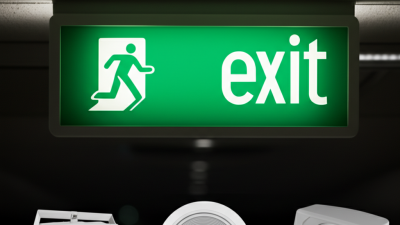
You know, non-maintained emergency lighting is super important when it comes to keeping everyone safe during those unexpected power outages or emergencies. Unlike the maintained systems that are always on, these non-maintained lights usually sit quietly until the main lights go out. This approach not only saves energy but also helps those lighting units last longer, which is a win, right? According to the folks at the Fire Safety Industry Bureau, more than 35% of commercial buildings actually depend on these non-maintained systems to be ready for emergencies.
Now, if you're on the hunt for non-maintained emergency lighting, it's worth thinking about a few key factors. First off, make sure the fixtures meet the standards set by the National Fire Protection Association (NFPA). They require that emergency lights give off at least 1 foot-candle of illumination right at floor level for at least 90 minutes during a power outage. Plus, it’s smart to pick options that use energy efficiently—lots of modern LED lights can really cut down on operating costs while still providing solid illumination.
**Quick tip:** Don’t forget to regularly test and take care of your non-maintained emergency lighting system! A monthly visual check and annual functional testing can help catch any potential problems before they become a real issue during an emergency. Also, think about putting up some well-placed signs to help guide folks to exits when visibility isn’t great.
| Feature | Description | Benefits | Considerations |
|---|---|---|---|
| Operation | Activates automatically in case of power failure | Provides immediate illumination during emergencies | Requires thorough installation for reliability |
| Maintenance | No regular maintenance required | Low ongoing costs | Testing still recommended periodically |
| Lighting Type | LED or fluorescent options available | Energy efficient, longer lifespan | Brightness varies, choose per application needs |
| Installation | Can be surface mounted or recessed | Flexible placement options | Installation may require professional assistance |
| Battery Life | Typically ranges from 1 to 3 hours | Ensures safety during outages | Consider battery replacement schedules |
You know, non-maintained emergency lighting systems play a really important role in safety, especially in places like offices, schools, and so on. They're designed to kick in during a power outage, which is super critical. One of the best things about these systems? They won't break the bank! Unlike maintained systems that need constant power and regular check-ups, non-maintained ones work just fine on their own. They only light up when there’s a crisis, which means businesses save a lot on upkeep and don’t have to worry about frequent inspections.
And let’s talk about reliability for a sec. These emergency lights are built to do their job when it counts. They ensure that escape routes and safety zones are lit up – just when you need them most. Plus, there’s no chance of someone accidentally messing with the settings or turning them off. That gives you a nice sense of peace of mind, right? Oh, and let’s not forget how easy they are to install. Businesses can meet safety regulations without a long, annoying shutdown or major interruptions to their daily grind. It’s simply smart investing in safety!
When it comes to keeping things safe during emergencies, non-maintained emergency lighting is super important. These lights kick in automatically when the power goes out, providing just enough brightness to help everyone get out safely. It’s really helpful to know about the different types of non-maintained emergency lighting available, so businesses can pick the best ones for their specific needs. You know, a report from the Emergency Lighting Association found that about 80% of building owners kind of forget to regularly test their emergency lighting systems. That really highlights why it’s crucial to have reliable options that don’t need a lot of maintenance.
So, here are some key types of non-maintained emergency lighting you might want to consider: Led Emergency Lights are a favorite since they’re energy-efficient and last a long time. They usually provide light for around three hours and often have nifty self-testing features. Then there are emergency exit signs that use photoluminescent materials, so they glow in the dark and can be seen even when everything else is pitch black. And let’s not forget those traditional fluorescent emergency fixtures; they’re still pretty popular because they’re budget-friendly and easy to find.
A little tip: always check the lumens rating on your emergency lighting to make sure it meets safety regulations in your area. Plus, it’s a good idea to go for fixtures with replaceable batteries—it helps extend their life and keeps you from having to deal with expensive replacements down the road. And, don’t forget to periodically review where you’ve installed them to maximize their visibility and stay compliant with safety protocols!
So, when you're trying to pick the right non-maintained emergency lighting for your situation, it’s super important to think about a few different factors that fit your particular environment and needs. These non-maintained lights are made to kick in only when the power goes out, making them perfect for spots that really only need light during emergencies. First off, take a moment to think about where you’ll be using these lights—whether it’s at home, in a business, in an industrial setting, or at a public place—because that’s gonna play a big role in what you end up choosing.
Lately, we’ve been seeing a pretty noticeable uptick in LED exit sign solutions. They’re really gaining traction because they’re energy-efficient and last a long time. This rise is pretty much because there’s more awareness around safety regulations and the demand for dependable emergency lighting across the board. So, as you’re diving into your options for non-maintained emergency lights, don’t forget to consider where you’ll be installing them and the lighting standards you need to meet for compliance and effectiveness. Keeping all of this in mind will definitely help you make a smart choice that boosts safety and reliability when it counts the most.
So, when you're thinking about non-maintained emergency lighting solutions, one of the first things you really want to focus on is how you’re installing them and making sure they meet the safety and compliance standards. These non-maintained systems kick in automatically if there’s a power outage, which is super important, right? But you gotta plan carefully about where to put them and make sure you’re following all the regulations. It’s really important to look over best practices for installation so that everything runs smoothly and checks the boxes for compliance with the necessary codes.
And let’s not forget about permits! Under the Environmental Permitting Regulations, it’s a big deal for organizations to comply, especially when handling emergency lighting setups. You need to do some assessments to figure out how your installation impacts the environment and ensures you’re following the rules. This not only keeps the community safe, but it also protects your operation. Keeping clear documentation and having good protocols in place? Totally essential to show you're compliant! So, at the end of the day, if your installation plan is solid and hits those marks for safety and environmental compliance, you’re gonna boost the reliability of your non-maintained emergency lighting systems.
So, when you're thinking about non-maintained emergency lighting solutions, let’s talk about budgeting because it really matters when it comes to making sure everything runs smoothly and meets safety rules. The costs can really vary depending on what kind of units you go for and how they need to be set up. It’s super important to take a good look at what you actually need and the size of your project to figure out how much money you should set aside.
Here’s a handy tip for keeping costs in check: do a solid needs assessment. Take a good look at your space and pinpoint where the emergency lighting is actually needed. This way, you won’t waste cash on lights you don’t really need. Plus, don’t forget to think about the long-term savings with energy-efficient LED lights. Sure, they might cost a bit more upfront, but they’ll knock down your electricity bills in the long run.
And last but not least, do a little digging into funding options. The high needs funding system for the 2023 to 2024 operational year could be a helpful resource for schools looking to enhance their safety measures. Make sure you keep an eye on the application processes and deadlines so you can really make the most of what’s out there. In the end, you want your emergency lighting to be effective and budget-friendly!
: Non-maintained emergency lighting solutions are lighting systems that remain off until there is a failure in the primary lighting system. They provide illumination during power outages or emergencies, conserving energy and extending the lifespan of the lighting units.
Non-maintained systems do not operate continuously and only activate during emergencies, while maintained systems are regularly illuminated. This difference helps reduce operational costs and the need for frequent maintenance.
Non-maintained emergency lighting fixtures must meet the standards set by the National Fire Protection Association (NFPA), which require at least 1 foot-candle of illumination on the floor level for a minimum of 90 minutes during a power outage.
It is important to regularly test and maintain your non-maintained emergency lighting system by conducting monthly visual inspections and annual functional tests to identify any potential issues before an emergency occurs.
The primary benefits include cost-effectiveness, reliability, and straightforward installation. They activate during emergencies without user intervention, ensuring escape routes are well-lit when needed.
To manage costs effectively, conduct a thorough needs assessment to identify necessary lighting areas, consider energy-efficient LED options for long-term savings, and research potential funding options to assist with budgeting.
Yes, integrating strategically placed signage can help guide occupants to exits during low-visibility situations, enhancing safety during emergencies.
Yes, the high needs funding system for the 2023 to 2024 operational year can offer financial assistance to educational institutions looking to upgrade their safety measures.
When selecting non-maintained emergency lighting, consider compliance with NFPA standards, energy efficiency, the specific needs of your space, and the budget for installation and maintenance.
Non-maintained emergency lighting is crucial for safety protocols, ensuring well-lit escape routes and safety areas during power failures, which is essential for protecting occupants and complying with safety regulations.