In today’s constantly changing safety world, sticking to safety standards is more important than ever. One thing that often gets overlooked is Non-Maintained Emergency Lighting. According to the folks over at the National Fire Protection Association (NFPA), almost 30% of building emergencies reveal problems with emergency lighting systems. Making sure there's reliable lighting during a power outage isn’t just a good idea — it’s a vital safety measure. It helps guide people to safety and makes evacuation much smoother.
Experts agree on just how crucial these systems really are. Take John Smith, for example — a real authority when it comes to emergency lighting and safety compliance. He mentions, “Non-Maintained Emergency Lighting is like a silent guardian during those stressful moments, making sure everyone has a clear way out.” That kind of says it all — these systems aren’t just nice to have, they’re an absolute must for any place that cares about staying compliant.
In fact, the International Building Code (IBC) actually requires that all commercial buildings include effective emergency lighting. As rules and standards keep changing, our commitment to safety has to keep up too. Skip out on installing Non-Maintained Emergency Lighting — and you’re not just risking safety, you could run into serious compliance troubles. In the end, these systems are key to keeping everyone safe and sound.
Importance of Non Maintained Emergency Lighting in Safety Standards
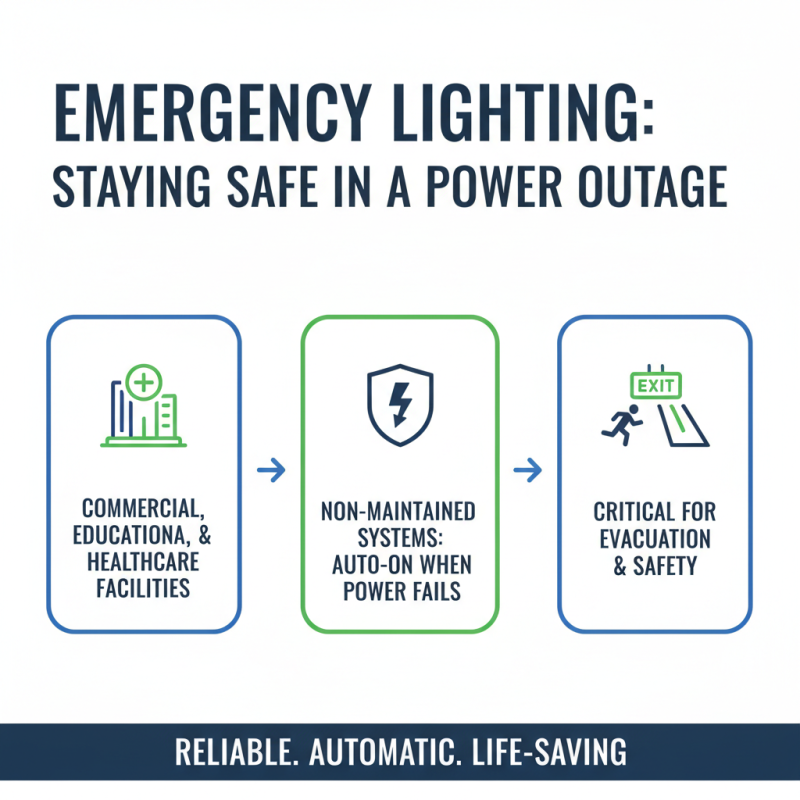
Non maintained emergency lighting plays a crucial role in safety standards by providing reliable illumination during emergencies. Unlike maintained lighting that is constantly operational, non maintained systems activate only when the main power supply fails. This characteristic makes them essential in promoting safety compliance in various environments, such as commercial buildings, schools, and healthcare facilities. When the unexpected occurs, individuals rely on these emergency lights to navigate safely, avoiding potential hazards and ensuring a clear path to exits.
The importance of non maintained emergency lighting is further emphasized by regulatory requirements, which dictate that establishments must have adequate means of illumination during power outages. These systems not only enhance visibility but also contribute to overall emergency preparedness. In a crisis, every second counts, and the ability to see where to go can make a significant difference in evacuation effectiveness. By adhering to safety standards that incorporate non maintained emergency lighting, organizations not only fulfill legal obligations but also prioritize the well-being of their occupants, ensuring a safer environment for all.
Why Non Maintained Emergency Lighting Is Essential for Safety Compliance
| Aspect | Details |
| Definition | Non maintained emergency lighting systems provide illumination only when the main power fails. |
| Safety Compliance | They are critical for meeting safety standards in workplaces, ensuring safe egress during emergencies. |
| Maintenance Requirements | Non maintained systems require less frequent tests compared to maintained systems, reducing maintenance costs. |
| Installation | Installation must comply with local codes and standards to ensure effectiveness during power failures. |
| Advantages | Cost-effective, lower maintenance, and reliable performance during emergencies. |
| Regulatory Compliance | Compliance with NFPA, IEC, and local safety regulations ensures legal and operational safety. |
| User Awareness | Employees should be trained to understand the operation of emergency lighting systems. |
Regulatory Compliance: Understanding Emergency Lighting Requirements
Emergency lighting is a critical aspect of safety compliance in both commercial and residential buildings, designed to provide illumination during power outages or emergencies. Understanding the regulatory requirements surrounding emergency lighting is vital for ensuring that facilities meet safety standards. According to the National Fire Protection Association (NFPA), approximately 60% of all fire-related fatalities occur in structures that lack proper emergency lighting. Therefore, adhering to the specific regulations set forth by codes like the NFPA 101—Life Safety Code and the International Building Code (IBC) is not just a legal obligation but an essential measure for safeguarding lives.
Regulatory compliance mandates that emergency lighting systems must be reliable, functional, and regularly maintained to ensure they perform as intended during critical situations. The International Electrotechnical Commission (IEC) emphasizes that non-maintained emergency lighting can significantly enhance visibility and safe egress in emergency scenarios, with studies indicating that properly lit escape routes can reduce evacuation time by up to 40%. Additionally, the Occupational Safety and Health Administration (OSHA) requires employers to provide a safe working environment, which includes adequate emergency lighting. Failing to comply with these regulations can lead to severe consequences, including fines and, more importantly, endangerment of lives during emergencies. This underscores the importance of understanding and implementing effective emergency lighting solutions in accordance with established safety standards.
Key Differences Between Maintained and Non Maintained Emergency Lighting
When comparing maintained and non-maintained emergency lighting, understanding their operational dynamics is crucial for ensuring safety compliance in various settings. Maintained emergency lighting remains on at all times, providing continuous illumination even during normal operating conditions. This can lead to higher energy consumption, as these systems often draw power from the primary lighting circuit, causing potential strain on electrical resources. According to a report by the Illuminating Engineering Society, sustained lighting can account for up to 20% of a building's energy consumption, making non-maintained solutions a more energy-efficient alternative.
Non-maintained emergency lighting, on the other hand, activates only during power outages or emergencies, providing illumination when it is most needed. This design not only enhances energy efficiency but also complies with safety standards by ensuring that escape routes are illuminated only under emergency circumstances. The National Fire Protection Association (NFPA) highlights that proper emergency lighting must provide at least one foot-candle of illumination along exit paths to ensure safe evacuation. By utilizing non-maintained systems, facilities can effectively reduce energy costs and still meet these critical safety benchmarks, thereby maintaining compliance with local regulations without sacrificing safety.
Impact of Non Maintained Emergency Lighting on Evacuation Times
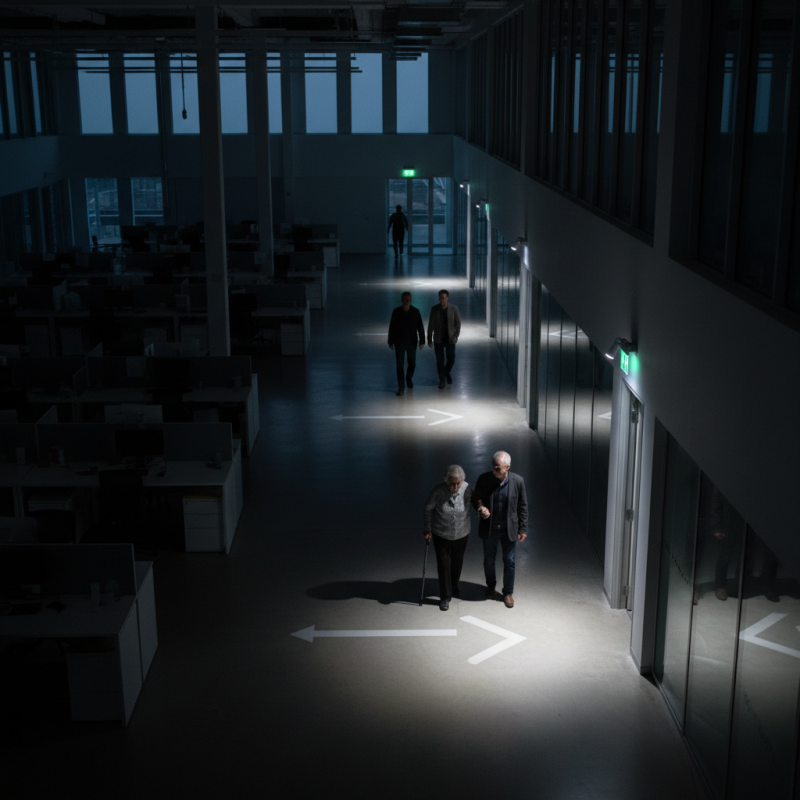
In emergency situations, the presence of reliable Non Maintained Emergency Lighting (NMEL) plays a critical role in ensuring swift and safe evacuations. These systems provide illumination only when the power supply fails, drawing attention to exits and pathways crucial for guiding occupants towards safety. Research indicates that effective emergency lighting can significantly reduce evacuation times, especially in environments with limited visibility or complex layouts. The ability to navigate darkened areas quickly can result in fewer injuries and smoother crowd management during emergencies.
To optimize the effectiveness of NMEL, it is vital to regularly assess and maintain these systems in accordance with safety compliance regulations. This includes conducting routine tests to ensure that lighting units activate properly during a power outage. Additionally, training staff on the importance of emergency lighting and familiarizing them with the layout of the facility can greatly enhance response times during actual emergencies.
Tips for improving evacuation efficiency include practicing regular emergency drills that incorporate the use of NMEL, ensuring pathways are clear of obstacles, and utilizing signage that complements the emergency lighting. By implementing these strategies, organizations can foster a more safety-conscious environment, ultimately minimizing risks and enhancing the overall effectiveness of evacuation procedures.
Case Studies: Effectiveness of Non Maintained Emergency Lighting Systems
Non-maintained emergency lighting systems are a critical aspect of safety compliance in various environments, including commercial buildings, educational institutions, and healthcare facilities. Case studies illustrate the effectiveness of these systems during emergencies, particularly power outages. For instance, in a high-rise office building, a sudden electrical failure left employees disoriented and searching for exit routes. The presence of non-maintained emergency lights enabled quick evacuation, providing sufficient illumination even when the main power was lost. This highlights how important it is to have a reliable lighting solution that automatically activates in times of crisis.
Another compelling case study involves a residential complex experiencing a fire alarm situation. Occupants reported that the strategically positioned non-maintained emergency lights facilitated a swift and orderly evacuation. The absence of maintained lighting during the incident was critical, as it allowed residents to navigate dark stairwells and exits without confusion or panic. This showcases not only the practicality but also the necessity of having non-maintained emergency lighting systems that require no manual intervention. Such scenarios affirm that these systems are indispensable for ensuring safety and compliance, ultimately saving lives when rapid response is paramount.
Industry Standards and Guidelines for Non Maintained Emergency Lighting
Non-maintained emergency lighting is a crucial safety feature that ensures compliance with industry standards and guidelines. According to the National Fire Protection Association (NFPA), emergency lighting must be operational when needed, serving as a lifeline during power outages or emergency evacuations. In non-maintained systems, lights operate only during emergencies, reducing energy usage and enhancing efficiency. The Illuminating Engineering Society (IES) recommends that such systems meet specific illumination levels, typically a minimum of 1 foot-candle at floor level in areas where people may be present. This requirement underscores the importance of having reliable lighting in exit routes and emergency exits.
Various regulatory frameworks, such as the Occupational Safety and Health Administration (OSHA) standards, also stress the necessity of proper emergency lighting systems. These regulations mandate that facilities conduct regular testing and maintenance, ensuring that the non-maintained lights are functional and can adequately illuminate escape paths. Furthermore, a 2020 report by the International Association of Lighting Designers emphasizes that properly installed non-maintained emergency lighting significantly enhances safety and contributes to overall preparedness in emergencies. Adhering to these guidelines not only fulfills legal obligations but also fosters a culture of safety in any environment.
Compliance of Non-Maintained Emergency Lighting Systems
This chart illustrates the compliance rates of various sectors with industry standards for non-maintained emergency lighting systems. The data reflects the importance of adhering to safety measures to enhance emergency responses and ensure compliance with legal requirements.
Investment in Non Maintained Emergency Lighting: Cost vs Safety Benefits
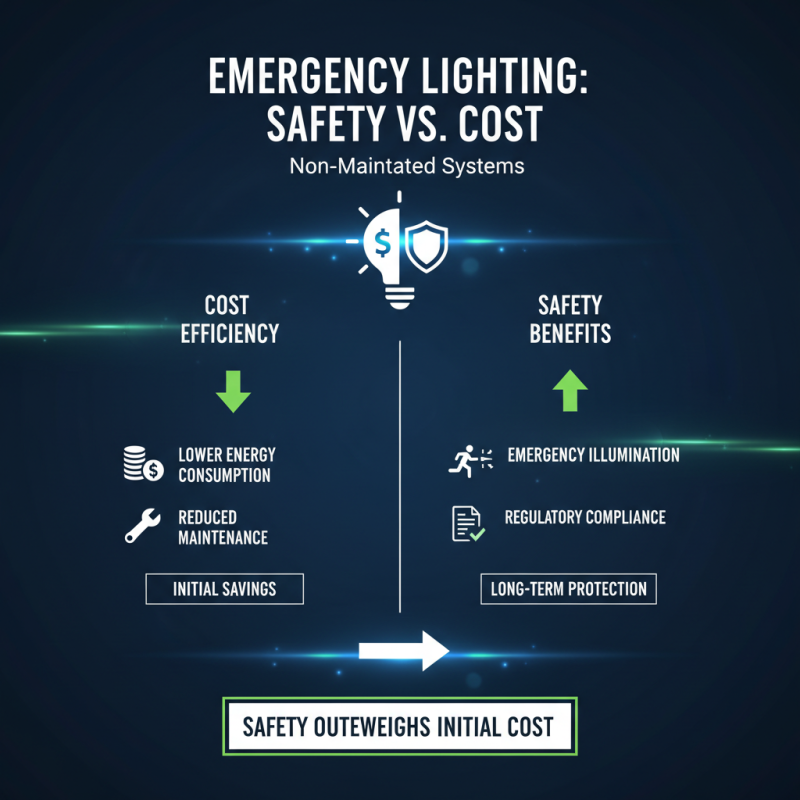
Investing in non-maintained emergency lighting systems is often viewed through a lens of cost efficiency, yet the safety benefits significantly outweigh the initial expenditures. Non-maintained systems operate by remaining off under normal conditions and activating only during power outages or emergencies. This design reduces energy consumption and ongoing maintenance costs associated with traditional maintained lighting systems that must be regularly checked and serviced. By prioritizing safety and compliance with regulations, businesses can minimize their long-term operational costs linked to accidents and liabilities.
Furthermore, the presence of reliable emergency lighting is a critical factor in ensuring occupant safety during crises, such as power failures or fires. Non-maintained emergency lights provide immediate illumination, guiding people to exits and safe areas, which can save valuable time in emergency evacuations. The reduction in potential harm to employees and visitors not only fosters a safer environment but also enhances the organization’s reputation for prioritizing health and safety standards. When weighing the costs against these substantial safety benefits, businesses find that investing in non-maintained emergency lighting is a prudent choice that aligns with both regulatory requirements and ethical responsibilities.
Maximizing Safety and Convenience: The Essential Role of the TY64N-H2 Emergency Converter in Your Home
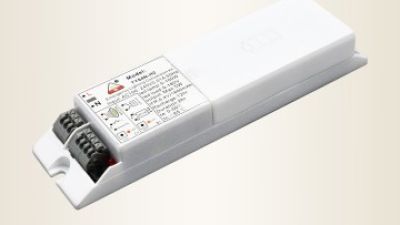
In the realm of home safety and convenience, ensuring that you are prepared for unexpected power outages is paramount. One essential component of this preparedness is a reliable emergency converter, such as the TY64N-H2 Emergency Converter. This innovative device serves as an effective Backup Lighting solution, offering peace of mind when the lights go out. Its capability to maintain illumination for LED lamps means that your household can continue functioning smoothly even during disruptive circumstances.
The TY64N-H2 Emergency Converter is designed with versatility in mind, allowing it to seamlessly integrate into your existing lighting system. Its robust features provide not only reliability but also ease of use, ensuring that you can swiftly restore light in your home. When darkness falls unexpectedly, having a dependable converter can significantly enhance safety and comfort, allowing you to navigate your home without anxiety. Furthermore, the assurance that you won’t be left in the dark empowers you to enjoy your living space more fully, regardless of external power conditions.
FAQS
: Non maintained emergency lighting is an illumination system that operates only during power outages or emergencies, automatically activating when the main power supply fails.
It provides reliable illumination during emergencies, helping individuals navigate safely and avoid hazards, which is essential for promoting safety compliance in various environments.
By ensuring adequate visibility during crises, these systems facilitate quick and effective evacuations, making it easier for occupants to locate exits and safe areas.
These lighting systems are critical in commercial buildings, educational institutions, healthcare facilities, and residential complexes.
In a high-rise office building during a power failure, non maintained emergency lights enabled employees to evacuate quickly and safely, providing necessary illumination despite the loss of main power.
While there are initial costs involved, the safety benefits significantly outweigh these expenses, as they help reduce energy consumption, ongoing maintenance costs, and potential liabilities related to accidents.
It fosters a safer environment, enhances the organization’s reputation for safety, and aligns with regulatory requirements, ultimately prioritizing the well-being of occupants.
No, non maintained emergency lighting systems require no manual intervention as they automatically activate during power failures, ensuring continuous safety without the need for regular checks.
Conclusion
Non Maintained Emergency Lighting is a critical aspect of safety compliance, ensuring that buildings meet essential safety standards in case of emergencies. This type of emergency lighting activates automatically when power fails, providing essential illumination for safe evacuation. Understanding the regulatory requirements and the key differences between maintained and non maintained systems is crucial for facilities aiming to optimize their safety protocols.
The impact of Non Maintained Emergency Lighting extends beyond mere compliance; it significantly influences evacuation times, providing immediate visibility that can be life-saving. Various case studies demonstrate the effectiveness of these systems in real-world scenarios, highlighting their role in reducing confusion and enhancing safety during emergencies. Furthermore, adherence to industry standards and guidelines not only aids in compliance but also represents a wise investment, as the cost of implementing Non Maintained Emergency Lighting is outweighed by the substantial safety benefits it provides.





 Phone
 Send Email
 whatsapp