In today’s world, where things move pretty fast and safety is more important than ever, having a solid Emergency Lighting system really can’t be taken lightly. Honestly, did you know that almost half of fire-related deaths happen in people’s homes because of poor emergency lighting? It kind of makes you realize just how crucial good lighting during emergencies is.
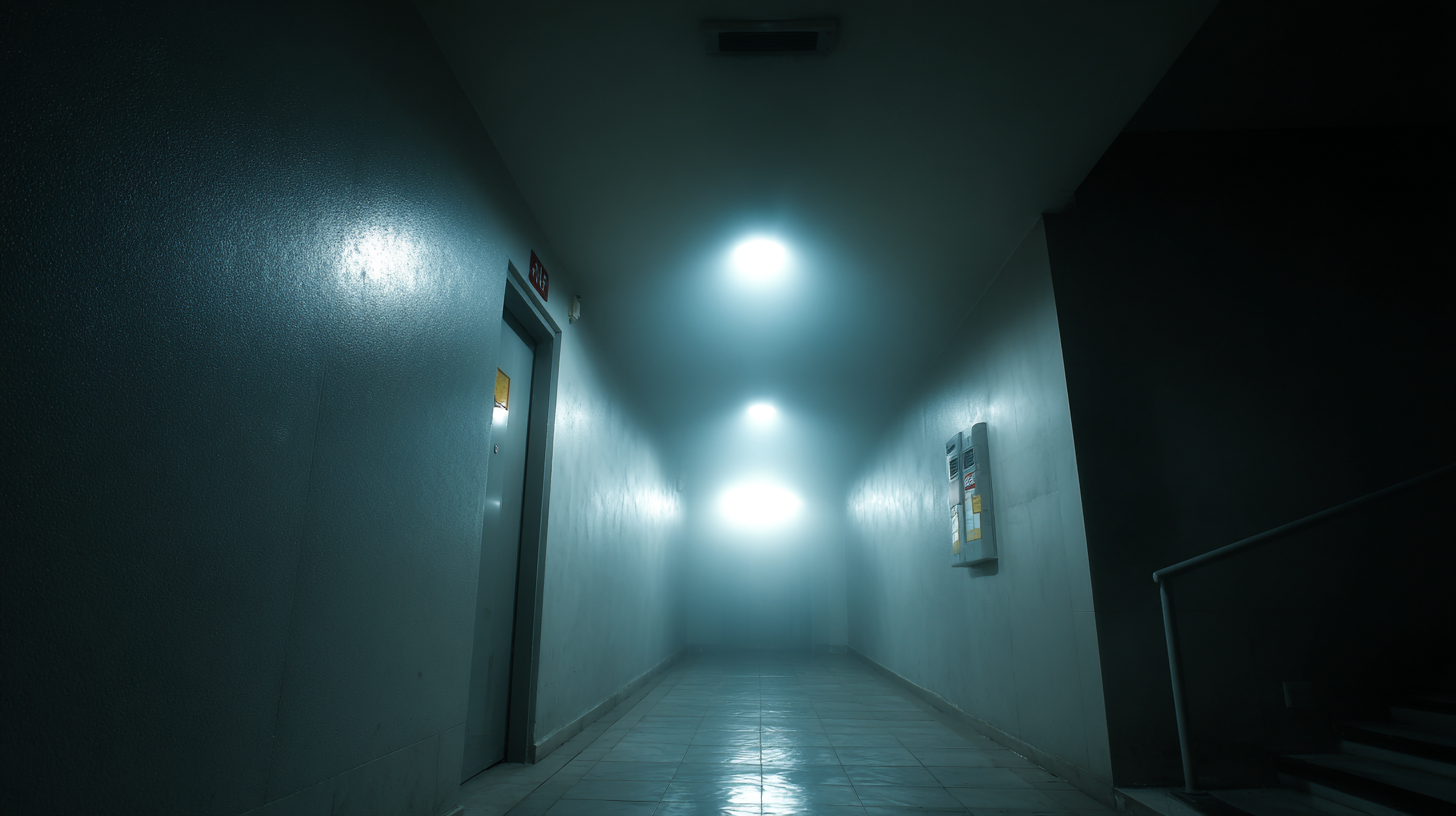
International fire safety standards also stress how a well-designed lighting setup can make a huge difference—cutting down risks and keeping people safer in all kinds of places. Here at Foshan Kaili Lighting, we’ve been in this game since 2004, focusing on emergency and eco-friendly lighting solutions. Our team’s got a ton of experience, and our R&D and manufacturing skills are pretty top-notch, so we can deliver innovative, reliable options that meet all the strict industry standards. Picking the right system isn’t something to take lightly, but don’t worry—we’re here to help you make smart choices that prioritize safety and keep everything compliant.
Identifying Your Specific Emergency Lighting Needs
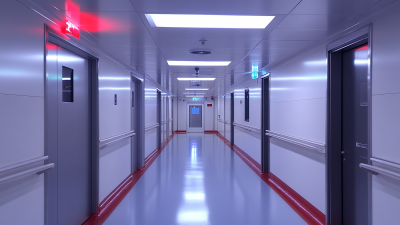
When you're trying to pick out the right emergency lighting for your building, it's super important to really understand what you actually need. I mean, did you know that, according to the National Fire Protection Association (NFPA), almost half of all building fires happen in spots where proper emergency lighting isn't installed? Crazy, right? So, getting to know your building's layout, what kind of people are in there, and what kind of emergencies might happen is really key to making a smart choice. For example, busy areas like hallways and stairwells need brighter lights and clear signage so everyone can find their way out easily when things go south.
Another thing to think about is your power source. You want emergency lights that can keep going even if the power drops for a while. A survey from the Emergency Lighting Institute showed that systems with solid backup power are about 30% better at keeping everyone safe during an emergency. And if you can, look into smarter systems—ones that can automatically run tests and take care of maintenance. It’s a real timesaver and makes the whole thing more reliable, not to mention saving you money on repairs down the line.
Here at Foshan Kaili Lighting Technology Co., Ltd., we've been in this game since 2004, so we know a thing or two. We focus a lot on R&D to make sure we can help you find the perfect solution that meets safety standards and saves energy at the same time. Our goal is to keep your facility safe, compliant, and up-to-date with the latest tech—because protecting lives and property is what really matters.
Evaluating the Different Types of Emergency Lighting Systems
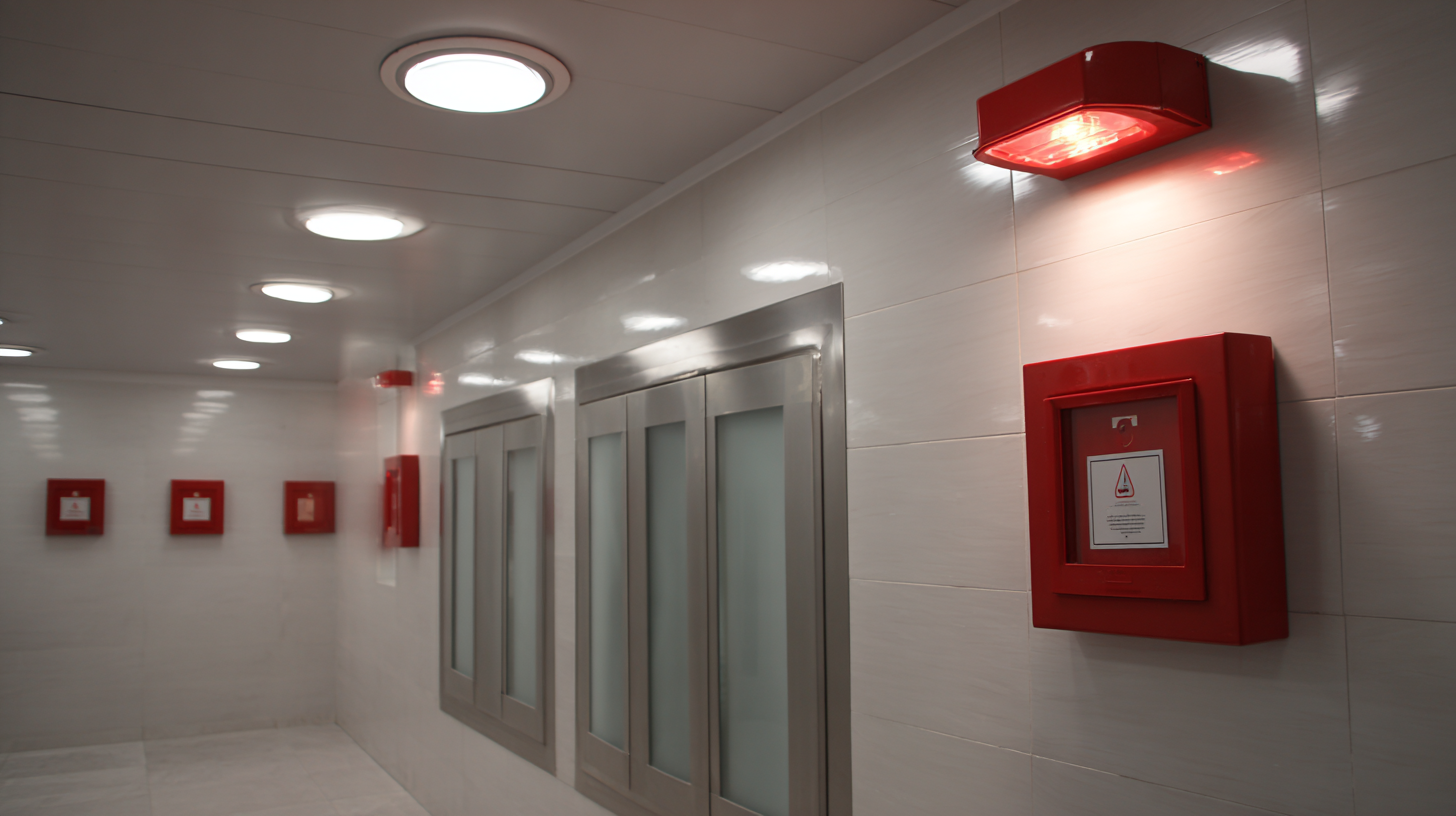
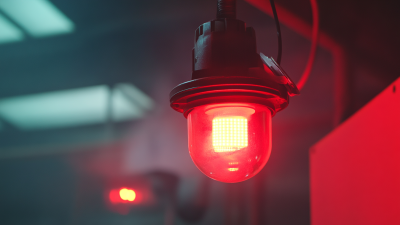
When you're looking into different types of emergency lighting systems, it’s really important to think about what your space actually needs. I mean, whether you’re dealing with a commercial building or a cozy home, getting a good handle on the options can make all the difference. For example, traditional Exit Signs are pretty much a must-have—they help guide folks to safety when it counts. But, on the flip side, LED emergency lights are becoming super popular because they’re brighter and last way longer, which is pretty tempting, right?
One thing I’d definitely recommend is checking out what powers the system. Battery-powered options are great because they’re flexible—you can install them pretty much anywhere, even if there’s no direct electrical access nearby. That said, hardwired systems tend to be more reliable and generally need less upkeep over time. Oh, and don’t forget to consider how bright the lights are and how long they can stay on during a blackout. A good emergency lighting setup should be bright enough to help people find their way out safely, so it’s worth looking for models that go beyond the basic minimum light levels.
And, last but not least, think about how your emergency lights connect with your other safety systems. Nowadays, a lot of these lights can link up with fire alarms and security systems, which makes everything run more smoothly in an emergency. Plus, it makes maintenance and testing a lot easier, so you can be confident your lights are ready to go when you really need them.
Assessing Compliance with Local Safety Regulations
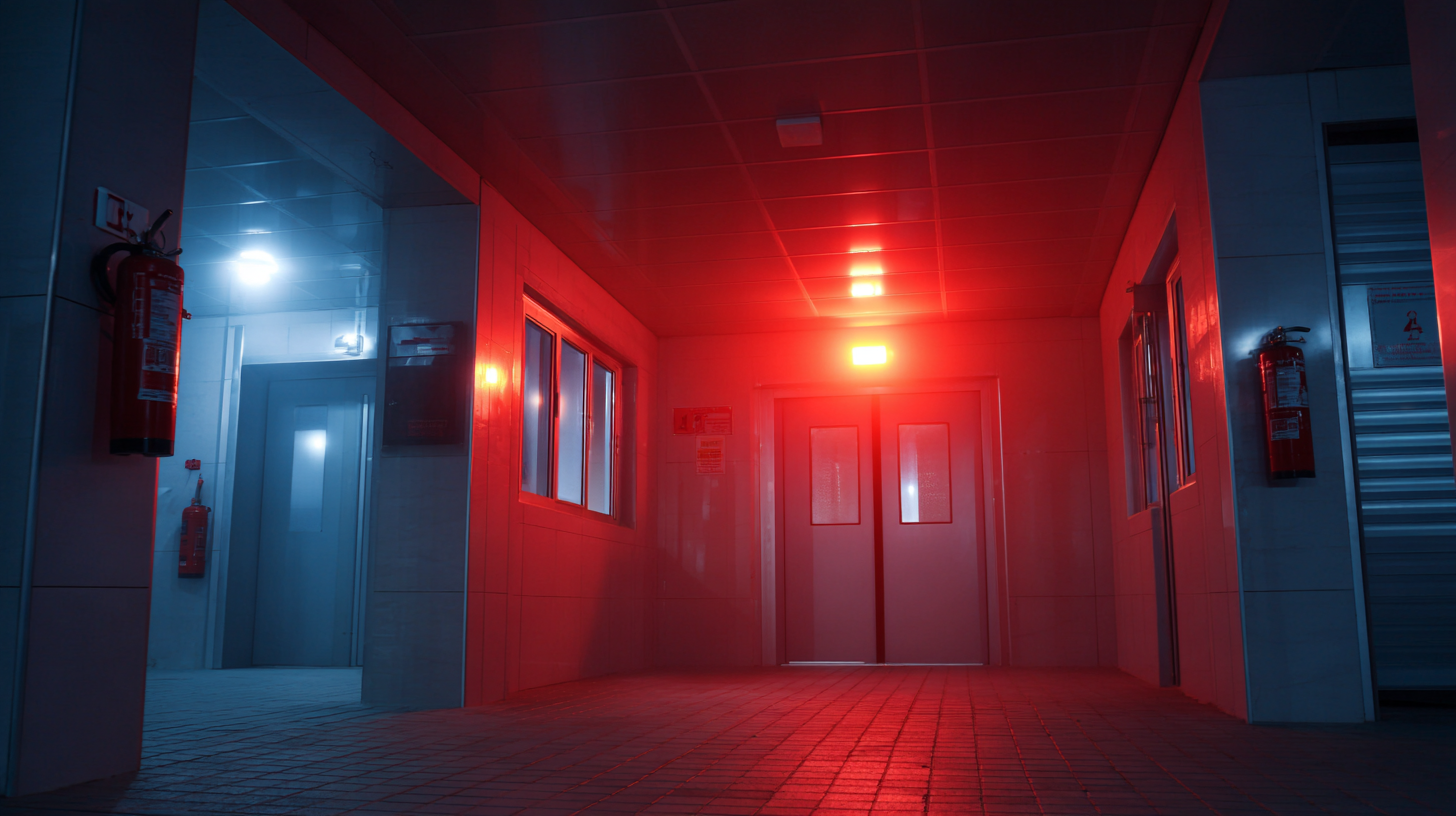
When you're choosing an emergency lighting system for small building blocks, it’s really important to make sure it complies with your local safety rules. Safety standards often have specific requirements for emergency lighting—stuff that makes sure folks can find their way to exits quickly during a crisis. Getting a good handle on these regulations is key to picking a reliable system that ticks all the boxes and avoids any fines or legal headaches. To do that, you’ll want to familiarize yourself with local laws and industry best practices so you can be confident your system is both compliant and effective.
On top of that, adding some AI technology into the mix can really boost how well your emergency lighting works and keeps you in line with safety standards. AI tools can help you keep track of compliance, make record-keeping a lot easier, and even automatically adjust the lighting based on how many people are around or different safety needs. By using the latest tech, building managers can step up their fire safety game, making sure the emergency lights aren’t just compliant but also smart enough to handle real-time situations. This kinda proactive approach doesn’t just keep everyone safe—it also gives everyone peace of mind, knowing you’ve got it all under control.
Budget Considerations: Balancing Quality and Cost
When you're choosing an emergency lighting system, your budget really needs to come into play. It’s kind of like students trying to find affordable study abroad options—you want good quality without completely draining your wallet. Investing in a reliable emergency light is super important because it keeps everyone safe and helps you stay within the rules. That said, with prices climbing these days, finding the sweet spot between good quality and affordability is more crucial than ever.
If you're working with a tight budget, don’t worry — there are some smart, innovative lighting options out there that give you solid performance without costing a ton. Look for systems that use energy-efficient tech, which can save you a bunch on those ongoing electricity bills. Also, take the time to shop around and compare different providers. Sometimes, you’ll stumble upon hidden gems—cost-effective products that still meet all safety standards. By weighing what you’ll spend now against the long-term benefits, you can make a smarter choice that fits your budget without sacrificing quality.
Understanding Maintenance and Battery Lifespan Requirements
When you're picking out an emergency lighting system, it's really important to get a good handle on what kind of maintenance it needs and how long the batteries will last. Doing regular checks isn’t just a good idea — it’s pretty much essential to make sure everything’s working fine, especially the batteries. You’ll want to peek at the fixtures now and then to see if they’re still functioning, give them a quick clean if dust or grime have gathered on them, and swap out any parts that seem on their last legs. Setting up a routine maintenance plan helps catch problems early on — before they turn into a big headache — so your emergency lights will still be reliable when you really need them.
Battery life is another big thing to think about when choosing a system. Different batteries, like lead-acid or lithium-ion, don’t all last the same amount of time and can have different maintenance needs. It’s a smart move to go for systems with batteries rated for longer use, which means less frequent replacements and saving some cash in the long run. Oh, and don’t forget to check what the manufacturer recommends about testing and swapping out batteries. Taking the time to get familiar with these little details will pay off — making sure your emergency lights are ready to go when it counts most, without any surprises.
Seeking Professional Advice for Tailored Solutions
When you're trying to pick out the right emergency lighting system, talking to a professional is honestly pretty important. They can offer solutions that really fit the specific layout and needs of your space—whether it’s a commercial building, a school, or even a home. Plus, understanding the local safety rules and regulations can get tricky, but experts know their stuff and can guide you through all that complexity. The goal is making sure your system isn't just meeting legal standards but also genuinely helping keep everyone safe if things go wrong.
On top of that, a professional can look at your particular situation and suggest the best lighting setup for you. They’ll consider things like the size of the place, key evacuation routes, and what kinds of emergencies you should be prepared for. With their experience, they can figure out the best spots for lights, choosing fixtures that really boost visibility and reliability. This personalized touch doesn’t just help you handle emergencies more effectively; it can also save you money in the long run by avoiding extra costs from unnecessary purchases or mistakes during installation. Bottom line—getting expert advice isn’t just about ticking boxes; it’s about making sure your safety system is actually working when you need it most.
5 Essential Tips for Choosing the Right Emergency Lighting System
FAQS
: There are various types of emergency lighting systems, including traditional exit signs and LED emergency lights, each serving different needs and offering unique benefits such as enhanced visibility and longer lifespans.
Consider whether to use battery-operated systems, which offer flexibility for installation, or hardwired systems, which are generally more reliable and require less maintenance.
A good emergency lighting system should provide sufficient light that exceeds minimum brightness standards to ensure safe navigation during a power outage.
Compliance with local safety regulations is crucial to ensure that emergency lighting effectively guides occupants to safety during emergencies and helps avoid potential fines or liabilities.
AI can assist in monitoring compliance with safety regulations, maintaining up-to-date records, and adjusting lighting based on occupancy and safety needs, improving operational efficiency.
Regular maintenance checks are vital, including inspecting fixtures and batteries, cleaning them, and replacing faulty parts to ensure reliable performance during emergencies.
Different battery types have varying life expectancies; it’s best to select systems with longer-lasting batteries to reduce replacement frequency and costs.
Implementing a routine maintenance schedule helps identify potential issues early, ensuring the system operates effectively when it’s most needed.
Look for systems that can connect with fire alarms and security systems for a coordinated response, simplifying maintenance and enhancing overall safety.
Following the manufacturer’s guidelines for testing and replacing batteries helps maintain compliance with safety standards and ensures the reliability of the emergency lighting system.
Conclusion
Picking the right emergency lighting system is super important for keeping everyone safe when surprises happen. First off, you wanna figure out what kind of emergency lighting you actually need—think about the size of your space and what kind of operations you’re running. Then, take a look at the different options out there—everything from LED exit signs to really bright, high-intensity lights—and make sure whatever you choose meets local safety rules.
Money matters too, so try to find a good balance between quality and what you can afford. Oh, and don’t forget to check out how easy it is to maintain, plus how long those batteries last—that’s key for making sure your setup stays reliable over time. If you’re feeling overwhelmed, it’s never a bad idea to get some expert advice to help you find the perfect fit for your situation. Here at Foshan Kaili Lighting Technology Co., Ltd., we’ve got tons of experience in emergency lighting, and we’re all about offering smart, effective solutions that actually work for you.



 Phone
 Send Email
 whatsapp