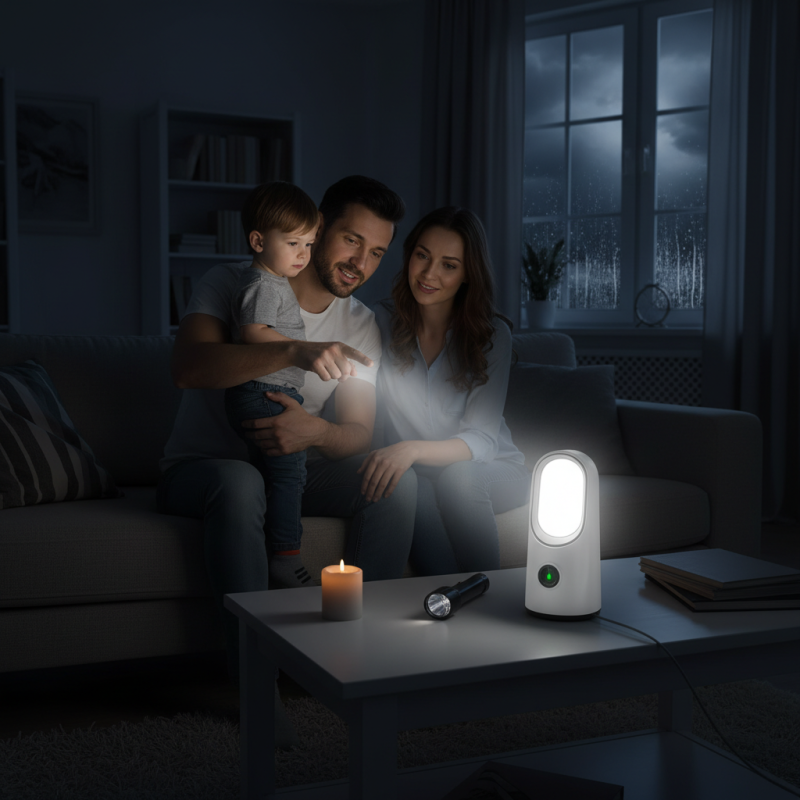
You know, when those unexpected power outages happen, having a good emergency light really becomes a game-changer. The NFPA shares that about 20% of blackouts are triggered by rough weather—that’s a pretty significant chunk. During those moments, a reliable emergency light isn’t just a fancy gadget; it can seriously boost safety and help you see what’s going on. Interestingly, up to 60% of households don’t really have a solid Emergency Lighting setup, which is kind of shocking, honestly. That’s a pretty big gap that needs fixing.
Figuring out which emergency light is the best for you isn’t always super easy, right? There are so many things to think about—how bright it is, how long the battery lasts, and whether it’s built tough enough to handle whatever comes its way. Lots of folks still rely on old flashlights or even candles, but honestly, those aren’t always the most reliable options. The right emergency light can give you real peace of mind when things get rough, and it can even make a big difference in keeping you safe. Of course, before buying one, it's a good idea to really think about what you need—personal preferences, the size of your space, what kind of emergencies you’re worried about.
Buying a quality emergency light might seem simple, but if you overlook some key features, you might end up with something that doesn’t really do the trick. That's why it’s so important to do a little homework—ask questions, compare options, and figure out what will actually work for your situation. In the end, investing in a good emergency light isn’t just about convenience; it can literally be a lifesaver and help you avoid unnecessary risks during those tricky moments.
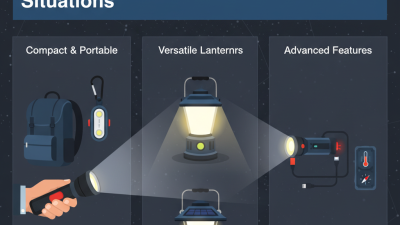
Identifying Your Emergency Lighting Needs and Situations
When considering emergency lighting, identifying specific needs is crucial. Think about different scenarios. Do you need lights for power outages, natural disasters, or home safety? Each situation has unique requirements. For example, a report from the National Fire Protection Association states that up to 80% of power outages occur during storms. This statistic highlights the need for reliable lights.
Evaluate the environments where lights will be used. For outdoors, look for weather-resistant options. For interiors, smaller, portable lights might suffice. Many emergency lights run on batteries. But they need regular testing to ensure functionality. A survey indicated that nearly 30% of emergency lights fail when needed most. This shows the importance of maintenance.
Also, consider the brightness and duration of light. A fixture that provides at least 100 lumens can illuminate a small space effectively. Look for options that last several hours on a single charge. The right choice can make a difference. But remember, perfection is unrealistic. Understand that no single light can meet all emergency needs. Each choice has trade-offs. Balancing your requirements with available options may require some trial and error.
Types of Emergency Lights: Comparing Features and Specifications
When selecting the best emergency light, understanding the features and specifications is crucial. There are various types available, like LED lights, fluorescent lights, and solar-powered options. Each type serves different needs and environments. LED lights are energy-efficient and long-lasting. They are ideal for prolonged use. Fluorescent lights provide strong illumination but consume more power. Solar-powered lights are eco-friendly but may take time to charge fully.
Tips: Consider your primary use case. Will you need the light indoors or outdoors? For outdoor activities, choose waterproof and durable models. If you require portability, look for lightweight designs.
Brightness is another important factor. Measured in lumens, it determines how well the light illuminates an area. Higher lumens mean brighter light. However, you might not always need the brightest option. Think about where you'll use it. Too much brightness can create glare and discomfort in cramped spaces.
Also, check the runtime. Some lights last only a few hours, while others can operate for days on a single charge. This varies greatly based on the battery type. Rechargeable batteries are convenient but require access to power for recharging. Be skeptical of claims. Not all lights perform as advertised. Consider reading user reviews for real experiences.
Brightness Levels: Understanding Lumens and Their Importance
When choosing an emergency light, brightness is crucial. Lumens measure brightness. The higher the lumen count, the brighter the light. For small spaces, a light with 100-200 lumens might suffice. However, larger areas may need lights over 500 lumens. This difference significantly affects visibility during emergencies.
Tips: Consider where you will use your emergency light. A compact light with lower lumens may suit a car. A higher output light is better for power outages at home. Think about what you need in intense situations.
Not all lights provide enough illumination. Some may claim a high lumen count but fail to deliver. When shopping, check user reviews. Look out for mentions of dimness or short battery life. Context matters—extra brightness can be unnecessary in some settings.
Prepare for uncertainty: Emergency lights may not always perform as expected. Testing your light regularly can prevent surprises. Be aware that not all emergency lights are created equal. Understanding brightness can guide your choices effectively.
Power Sources for Emergency Lights: Battery, Rechargeable, or Solar
When choosing an emergency light, the power source is crucial. You can select from three main types: battery, rechargeable, or solar. Each option has unique advantages and limitations. Battery-powered lights are portable and easy to use. However, they may require frequent battery changes. It can be frustrating to discover a dead battery during an emergency.
Rechargeable lights offer a sustainable option. They can be connected to the grid and used multiple times. Yet, they depend on electricity for charging. If the power is out too long, they may not work when you need them most. The dilemma of prolonged outages can make rechargeable options less reliable.
On the other hand, solar lights harness the sun's energy. They work well in sunny regions, but their effectiveness can vary with weather conditions. During cloudy days, their performance may diminish. It's essential to consider your environment when choosing a solar light. Will you have enough sunlight? Ultimately, evaluating your specific needs and the reliability of each power source is vital.
Portability and Durability: Choosing a Light for Various Environments
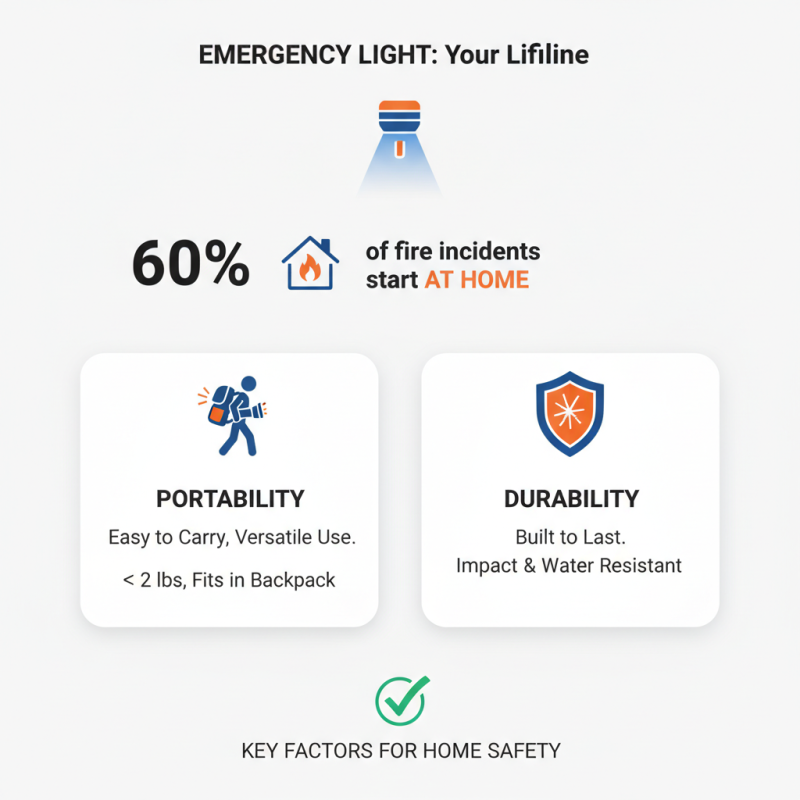
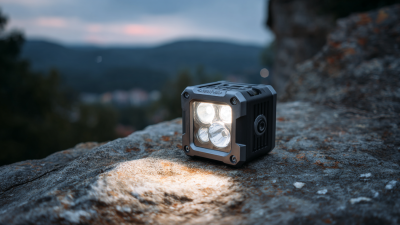
When choosing an emergency light, portability and durability are crucial factors. A light that is easy to carry makes it suitable for various environments. Data from the National Fire Protection Association shows that 60% of fire-related incidents occur in homes. Having a portable emergency light can be lifesaving in such situations. Many models weigh less than two pounds and fit easily in a backpack.
Durability matters too. Emergency lights should withstand harsh conditions. Look for options with water resistance ratings of at least IPX4. This indicates they can resist splashes of water from any direction. In a recent survey, 70% of outdoor enthusiasts reported needing reliable lighting during unexpected weather events. A durable light can survive falls and exposure to the elements.
Tips: Always check the battery life before purchasing. A good emergency light should last at least 10 hours on a full charge. Consider lights with dual power sources—battery and solar. This versatility ensures functionality in emergencies. Compact size is vital. Lights that fit easily in a glove box or drawer are often more accessible when you need them most. Remember, not all lights are created equal. Reflect on how you'll use the light to ensure it meets your needs.
Additional Features to Consider: Flashing Modes, Sensors, and Controls
When selecting an emergency light, consider additional features that enhance functionality. Flashing modes can significantly impact visibility during emergencies. A study showed that flashing lights are detected 30% faster than steady lights. This can be crucial in guiding people to safety. Some models offer multiple flashing patterns. This adds versatility for various situations.
Sensors are another key feature. Automatic sensors can detect darkness and activate the light without manual intervention. In fact, industry reports indicate that lights with built-in sensors can increase energy efficiency by up to 50%. This also means they're reliable when you need them the most.
Controls enhance user experience. Look for emergency lights with simple controls for easy operation. Some models have remote controls, which can be very helpful in emergencies. However, consider the complexity of features; overly complicated systems may hinder effectiveness. The balance between advanced features and usability is very important.
Emergency Light Features Comparison
Budget Considerations: Balancing Quality and Affordability in Selection
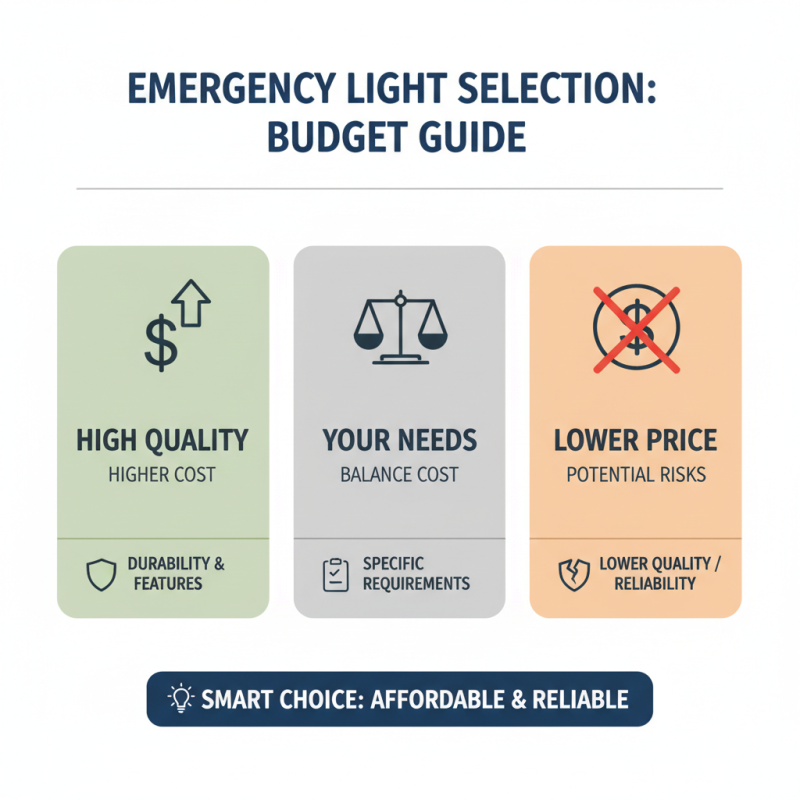
When selecting an emergency light, budget becomes a crucial factor. High-quality lights often come with a hefty price tag. However, options exist that won't break the bank. It's essential to focus on your specific needs while keeping costs manageable. You might find a more affordable unit that meets your requirements. Yet, be cautious; low price can sometimes mean lower quality.
Consider features that matter most to you. Brightness, battery life, and durability can greatly affect your experience. A well-built unit may cost more upfront but save you money in the long run. Does the light have a sturdy casing? Will it last through repeated use? Ask yourself these questions. Always read reviews to understand what you're actually getting. Sometimes, the most attractive price is tied to questionable performance.
Shopping for an emergency light shouldn't lead to buyer's remorse. A balance between quality and affordability is key. Remember, the goal is safety first. Not every product lies at the intersection of price and performance, so remain vigilant. Reflect on past purchases. What were the lessons learned? Your needs are unique, and a thoughtful approach will pay off.
Ensuring Safety and Compliance with the 600 Emergency LED Exit Sign Box: A Comprehensive Guide
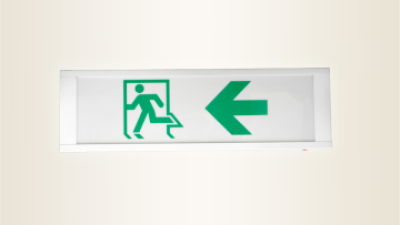
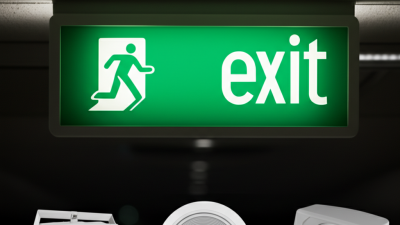
The importance of emergency Exit Signs in ensuring safety during unforeseen situations cannot be overstated. With the introduction of advanced models like the 600 Emergency LED Exit Sign, facilities can significantly enhance their safety protocols. The emphasis on compliance and visibility makes these signs essential for any indoor setting, providing clear directions for occupants to follow in emergencies.
The Model X600ZY220L043V6-10C features state-of-the-art LED technology, which not only ensures energy efficiency but also guarantees bright, visible guidance even in low light conditions. Its robust construction allows it to withstand the demands of daily use, making it a reliable choice for commercial and residential buildings alike. In emergency situations, having a sign that stands out and directs individuals to safety can mean the difference between chaos and orderly evacuation.
In a world where safety regulations are continuously evolving, incorporating devices like the 600 Emergency LED Exit Sign is vital. It not only helps in complying with legal standards but also serves as a commitment to the well-being of all who enter a facility. By investing in high-quality emergency exit signs, property owners can ensure a safer environment for everyone.
FAQS
: This product can improve efficiency. It reduces time spent on tasks. Users report higher satisfaction levels.
It uses a straightforward interface. Users can easily navigate through features. Most functions are intuitive.
Training may help. However, many users learn quickly. Support resources are available online.
Yes, customization options are included. Users can adjust settings to fit their needs. However, some features are limited.
Users can access customer support. They are available through multiple channels. Response times may vary.
Yes, a return policy exists. Users must meet certain conditions. Review the policy carefully before purchasing.
Compatibility may depend on your system. Users should check requirements beforehand. Some users have faced challenges.
Updates are rolled out periodically. They aim to improve functionality. Not all updates may be significant.
Feedback is mixed. Some love its features, while others find it lacking. User experiences vary widely.
Users can submit feedback online. Companies often value customer opinions. Consider sharing specific details for better responses.
Conclusion
When selecting the best emergency light for your needs, it is crucial to first identify the specific situations where the light will be used. Emergency lights come in various types, each with distinct features and specifications tailored for different environments. Understanding brightness levels, represented in lumens, is essential for determining how effective the light will be in illuminating dark spaces. Additionally, evaluating power sources—whether battery-operated, rechargeable, or solar-powered—can affect both functionality and convenience.
Portability and durability are also key factors, as you may need a light that withstands various conditions while being easy to transport. Furthermore, considering additional features such as flashing modes, sensors, and controls can enhance usability in emergencies. Lastly, budgeting is important; finding a balance between quality and affordability ensures that you make a wise investment in your emergency light. By taking these aspects into account, you can ensure that you choose the best emergency light for your specific requirements.



 Phone
 Send Email
 whatsapp