In a world that's pretty unpredictable these days, having a good Outdoor Emergency Light really makes all the difference for your safety and peace of mind. Did you know that, according to theNational Fire Protection Association, power outages are actually happening more often? They’re reporting about 3,500 incidents every year, which just goes to show how important it is to have reliable lighting during tough times.
Foshan Kaili Lighting Technology Co., Ltd., started way back in 2004, and they’ve become a real leader when it comes to emergency and eco-friendly lighting. With lots of experience under their belt, they’re experts in creating innovative outdoor lights that fit a bunch of different needs. So, in this blog, I want to walk you through some key things to think about when choosing the perfect outdoor emergency light — stuff that'll help you stay prepared no matter what surprises come your way.
Understanding the Importance of Lumens and Brightness in Outdoor Emergency Lights
When you're picking out an outdoor emergency light, it's really important to get a good grasp on lumens and brightness. Basically, lumens tell you how much light a source gives off—more lumens means a brighter light. For outdoor situations, I’d say aiming for at least 300 lumens is a smart move; it’ll give you enough light to see what's around you and move around safely.
Here are a few tips to keep in mind when choosing your emergency light: First off, think about what you actually need it for. If you're into camping or hiking, a lightweight and portable light with adjustable brightness is super handy. Next, consider how it’s powered—battery-operated options are convenient, but make sure to check how long the batteries last so you don’t end up in the dark. And don’t forget about durability! Weather-resistant and impact-proof models can really make a difference if things get rough.
At the end of the day, finding that sweet spot between enough brightness and practicality is key. You don’t want something too glaring that causes glare, but if it’s not bright enough, you’ll be stumbling around in the dark. Just aim for a reliable light that fits your needs—one that’s not too overwhelming, but still got your back in a pinch.
Evaluating Battery Life: How Long Should Your Emergency Light Last?
When you're picking out an outdoor emergency light, one of those key things you really wanna look at is how long the battery lasts. A good emergency light needs to keep shining during power outages, natural disasters, or even just when you're out camping or hiking. The battery life is super important because, honestly, you don’t wanna be caught in the dark when you need it most. Usually, a decent emergency light will run for about 10 to 20 hours on a single charge — that way, you’ve got some peace of mind knowing it’ll still be working when the clock hits zero.
It's also a good idea to check what kind of battery it uses. Lithium-ion batteries are pretty much the way to go—they last longer, keep their charge better, and tend to be more reliable overall. Plus, look for models with energy-efficient LED bulbs; they don't just use less power but also tend to last way longer than the old-school incandescent ones. If you focus on battery life and efficiency when you're shopping around, you'll end up with a light that you can actually count on in those tricky situations or just when the power suddenly disappears.
The Role of Waterproof Ratings: Choosing Lights for Any Weather Condition
When you're picking out an outdoor emergency light, it's really important to get a good grip on waterproof ratings—trust me, it makes a huge difference. The Ingress Protection (IP) rating system is basically how manufacturers tell you how water-resistant a light is. For example, if a light has an IP65 rating, it can handle those low-pressure water jets—so it's pretty decent in the rain. But if it’s rated IP67, that means it can even be dunked in water up to a meter deep for a short while, which is pretty handy to know. Honestly, going for a light with a higher waterproof rating is a smart move if you’re often dealing with heavy rain or storms, or if your gear’s gonna be out in the wet a lot.
**A few tips:** 1. Think about where you live—if flooding or crazy storms are common, go for something with an IP68 rating for maximum peace of mind. 2. Don’t forget to read reviews—see what other users have tested out, especially in real bad weather, so you know your new light can actually handle whatever Mother Nature throws at it. 3. If you can, give the light a quick test in different conditions before you really depend on it—that way you can be more confident it’ll work when you need it most.
Basically, choosing the right outdoor emergency light isn’t just about brightness or battery life, but also how tough it is against water. Keep that in mind, and you'll not only stay safer during your outdoor adventures but also have a reliable little helper that sticks with you through thick and thin.
How to Choose the Best Outdoor Emergency Light for Your Needs - The Role of Waterproof Ratings: Choosing Lights for Any Weather Condition
| Light Type | Brightness (Lumens) | Battery Life (Hours) | Waterproof Rating (IP Rating) | Weight (lbs) |
| LED Lantern | 300 | 30 | IPX7 | 2.5 |
| Tactical Flashlight | 1000 | 10 | IPX6 | 0.5 |
| Headlamp | 400 | 20 | IPX4 | 0.4 |
| Solar Rechargeable Light | 250 | 12 | IPX5 | 1.5 |
| String Lights | 120 | 8 | IP65 | 3.0 |
Comparing Power Sources: Solar vs. Battery-Powered Emergency Lights
When you're trying to pick the best outdoor emergency light, a big thing to consider is the power source. Solar-powered lights are pretty popular these days because they soak up sunlight, making them an eco-friendly choice that doesn’t really need much upkeep. They’re great for off-grid spots, as long as there’s enough sun to keep the batteries charged. Plus, they can provide reliable lighting during power outages or emergencies, so you’re not left in the dark when it matters most.
On the flip side, battery-powered emergency lights are super handy and dependable, especially if you’re somewhere with limited sunlight. They usually last longer on a single charge and tend to be brighter than solar ones. A quick tip? Go for models that use rechargeable batteries—they’re better for the environment and you’ll always have a reliable power source ready to roll when things get tough.
No matter which type you go for, don’t forget to think about how portable and durable it is. A lighter light is easier to carry around, which is pretty important during an emergency. At the same time, a sturdy build will help it survive outside conditions. So, take a moment to think about your specific needs and where you’ll be using it—you’ll want to choose something that truly fits your situation.
Comparison of Power Sources for Outdoor Emergency Lights
Portability and Weight: What to Consider for Outdoor Use
When you're choosing an outdoor emergency light, things like how portable and light it is really matter—especially if you're planning on taking it along on hikes, camping trips, or other outdoor adventures. A lightweight model can make a huge difference during those long outings, letting you pack more of your essentials without feeling bogged down. Look for lights made from durable materials like aluminum or good-quality plastic; they’ll last longer and won’t bulk you up unnecessarily.
Also, size is a pretty big dealwhen it comes to portability. Smaller, compact lights tend to fit easily into your backpack or Emergency Kit, so they’re super easy to grab when you need them. Some brands even offerfoldable or collapsible designs that save space when you’re not using them — perfect for outdoor trips where every ounce counts. And if the light has built-in handles or attachments, it’s a plus because you can hang it up or secure it wherever you need.
Focusing on these features will help you find an emergency light that’s both practical and easy to carry around on your adventures.
Additional Features to Look For: SOS Signals and Strobe Modes
When you're on the lookout for the best outdoor emergency light, it's super important to pay attention to features that really boost visibility and safety — stuff like SOS signals and strobe modes. I read somewhere that having high-visibility signals can actually increase your chances of being found in an emergency by up to 50%. Crazy, right? Those SOS signals, which you can send out just with light, are pretty much understood worldwide. So, if you're stuck somewhere low-visibility or in the dark, they can really help rescuers spot you faster.
And don’t forget about strobe modes — these are a game-changer. They send out flashing lights that are easy to notice from far away, which is pretty much essential in distress situations. The International Association of Fire Fighters even did a study showing flashing lights grab attention way better than steady ones, meaning help can come quicker.
Pro tip: When picking your emergency light, go for one that has multiple strobe modes and adjustable brightness. That way, you can adapt it to whatever you need — whether it’s signaling for help or just lighting up your path.
Plus, it’s wise to choose a light with a long battery life and sturdy build. You want it to hold up against rough outdoor conditions and keep working when it matters most, giving you some peace of mind during your outdoor adventures.
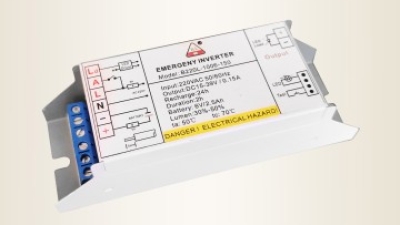
Power Up Your Emergency Preparedness with the B220L-1006-150 Emergency Converter: A Comprehensive Guide
In today's unpredictable world, being prepared for emergencies is more crucial than ever. Natural disasters, power outages, and unforeseen events can strike without warning, leaving individuals and families vulnerable. A recent report by the Federal Emergency Management Agency (FEMA) highlighted that nearly 40% of households are unprepared for emergencies, underlining the need for accessible power solutions. The B220L-1006-150 Emergency Converter emerges as a reliable ally in enhancing your emergency preparedness.
The B220L-1006-150 Emergency Converter is engineered to be a versatile power companion, ensuring that your essential devices remain operational during crises. Built with cutting-edge technology, this converter provides consistent power supply, allowing you to stay connected with communication devices and manage other critical equipment. With its robust design and user-friendly interface, it's an ideal choice for both home use and outdoor adventures. According to a survey conducted by the American Red Cross, 60% of Americans believe that having a reliable power source plays a significant role in their emergency preparedness, making products like the B220L-1006-150 essential.
Furthermore, the National Oceanic and Atmospheric Administration (NOAA) reports that more than 200 weather-related disasters occur each year in the United States alone, emphasizing the importance of being self-sufficient during these events. The B220L-1006-150 Emergency Converter not only empowers you to keep your devices charged but also offers peace of mind knowing that you're ready to face emergencies head-on. By incorporating such tools into your preparedness plan, you can significantly increase your resilience against unexpected disruptions.
FAQS
: Solar-powered emergency lights harness energy from the sun, making them eco-friendly and ideal for off-grid situations, while battery-powered lights offer convenience and reliability, especially in areas with limited sunlight. Battery-powered options often have longer runtimes and can be brighter.
Portability is crucial for outdoor emergency lights, especially for activities like hiking or camping. A lightweight design helps carry essentials without exceeding weight limits, and compact models can easily fit into backpacks or emergency kits.
Look for lights made from materials like aluminum or high-quality plastic, which provide durability without adding unnecessary bulk, making them ideal for outdoor use.
Key features to consider include SOS signals and strobe modes, as they enhance visibility and increase the likelihood of being discovered during emergencies.
SOS signals are universally recognized and can help rescuers locate individuals quickly, while strobe modes are more effective at capturing attention and facilitating faster response times in emergency situations.
Yes, opting for models that use rechargeable batteries reduces waste and ensures you always have a power source available during emergencies.
Choose lights that have long battery life and are built to withstand tough outdoor conditions, providing reliability when you need it the most.
Look for emergency lights with adjustable brightness settings and multiple strobe modes, allowing you to adapt to various scenarios during your outdoor adventures.
Conclusion
So, choosing the best outdoor emergency light isn't just about grabbing the first one you see. There are a few key things you really want to keep in mind, especially if you hope it’ll actually be useful when it counts. First off, brightness matters—lumens are what determine how well you can see in a pinch. The brighter, the better if you’re dealing with an emergency. Then, don’t forget about battery life; a good emergency light should last long enough to see you through power outages or those long camping nights out in the wild.
Weather can be unpredictable, so a solid waterproof rating is pretty important to make sure it keeps working no matter what. Also, decide between solar-powered or battery-operated—each has its perks, but think about what fits your lifestyle and sustainability goals. If you’re planning to carry it around, like for hiking or camping trips, portability and weight are key. And hey, some extra features like SOS signals or flashing strobe modes can really boost your safety game. With nearly 20 years of experience, Foshan Kaili Lighting Technology Co., Ltd. is all about providing high-quality emergency lights that truly meet your needs—and we’re here to help you get the right one for your adventures or emergencies.





 Phone
 Send Email
 whatsapp