In our crazy, fast-moving world, safety really has to come first, right? That’s why reliable lighting solutions are more important than ever, especially when it comes to Emergency Lighting. Have you heard about LED technology? It’s been a game changer. A **Led Emergency Driver** is a crucial part of making sure your lights stay on during a power outage. It’s pretty wild — reports show that the global emergency lighting market might hit around $8.8 billion by 2027. That just proves how vital these systems have become.
Big names like Philips and Eaton have been pushing the envelope with innovative designs. Many of their products come with advanced battery backup systems, which really boosts their reliability. But heads up: not all **Led Emergency Drivers** are created equal. Some don’t hold up so well during longer outages, so it’s definitely something you want to keep in mind when choosing one.
Figuring out which driver to go for can get pretty overwhelming. Things like wattage, how long the battery lasts, and whether it plays nicely with your existing fixtures are really important. And, of course, you don’t want to cut corners — opting for the cheapest option could seriously compromise safety. Looking back at past issues with low-quality drivers just shows that doing your homework and picking the right gear really matters.
Overview of LED Emergency Drivers and Their Importance
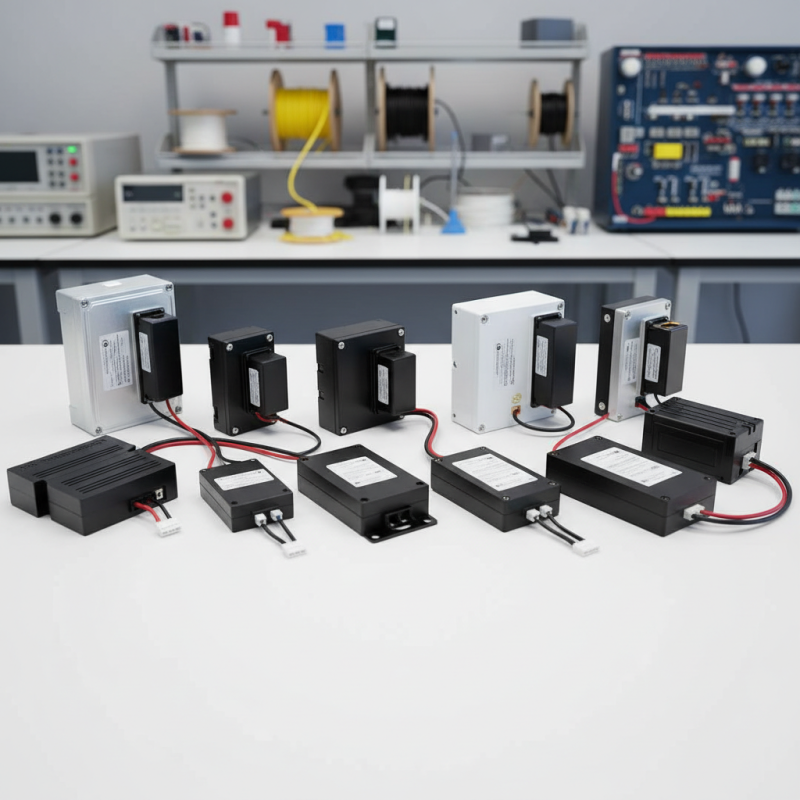
LED Emergency Drivers play a crucial role in ensuring safety during power outages. These devices convert standard LED lighting into emergency lighting. When the main power fails, an emergency driver activates the LED lights. This automatic response can illuminate spaces during crises, providing necessary visibility.
The design of an emergency driver is often straightforward. It connects seamlessly with existing LED fixtures. Many emergency drivers have a built-in battery, allowing quick charging and reliability. Their ability to function without a complicated setup makes them essential for various facilities, including hospitals, schools, and offices.
Despite their importance, some users may overlook the specifications of these drivers. Choosing the wrong emergency driver can compromise safety. Not all emergency drivers are created equal. Factors like runtime and light output vary significantly. Therefore, prospective buyers should research to find solutions that best fit their specific needs.
Top 10 LED Emergency Driver Options for Your Needs
| Model | Wattage | Input Voltage | Output Voltage | Runtime | Features |
| ED-15 | 15W | 100-277V | DC 24-30V | 90 min | Self-testing, Overload protection |
| ED-20 | 20W | 100-240V | DC 25-35V | 120 min | Short-circuit protection, Compact size |
| ED-30 | 30W | 100-240V | DC 30-42V | 150 min | Temperature protection, LED indicator |
| ED-40 | 40W | 100-277V | DC 30-42V | 180 min | Surge protection, Easy installation |
| ED-60 | 60W | 100-240V | DC 30-44V | 120 min | Dimming capability, Waterproof |
| ED-80 | 80W | 100-277V | DC 30-50V | 240 min | Emergency backup, Multiple mounting options |
| ED-100 | 100W | 100-240V | DC 30-55V | 300 min | High efficiency, Environmental friendly design |
| ED-120 | 120W | 100-277V | DC 30-60V | 200 min | Compact and lightweight, Long lifespan |
| ED-150 | 150W | 100-277V | DC 30-60V | 300 min | High output, Quick charge technology |
Key Features to Consider When Choosing LED Emergency Drivers
When selecting an LED emergency driver, key features are crucial. First, consider the output power requirements. Ensure the driver can handle the total wattage of your LED setup. An effective driver will deliver a constant current, maintaining light output during an emergency. This reliability is essential in critical situations, where every second counts.
Another aspect is the runtime. Look for drivers with extended battery life. Some drivers may only support short durations, under 30 minutes. This limitation can be insufficient for emergencies. Evaluate the charging time as well. A driver that charges quickly may prove more beneficial in unexpected situations.
Compatibility is also vital. Not all LED lights work with every driver. Confirm that your LED fixtures are compatible with the chosen Constant Current Led Driver. Checking specifications and making sure connections match can save considerable time and hassle. Some drivers allow for easier integration with different LED types. This flexibility can help in future upgrades or changes, which many users might overlook at first.
Top Brands for LED Emergency Drivers Available in the Market
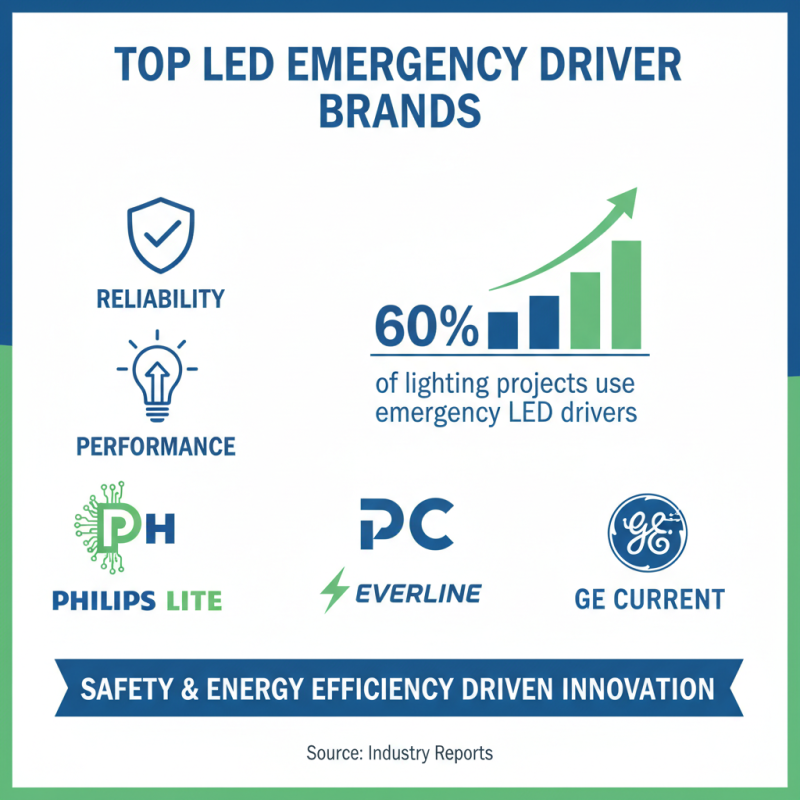
When selecting LED emergency drivers, quality matters. Top brands have built a reputation for reliability and performance. According to industry reports, over 60% of lighting projects now incorporate emergency LED drivers. This shift reflects growing concerns about safety and energy efficiency.
Companies in this sector adhere to high manufacturing standards. They ensure compliance with ANSI and UL certifications. This means users can trust the safety and durability of their systems. A recent report indicated that reputable brands often have a failure rate of less than 1%. This statistic underscores the importance of choosing a driver from a trusted manufacturer.
Moreover, some leading brands offer advanced features. These can include self-diagnostic capabilities and seamless integration with existing systems. However, no solution is perfect. Users must consider their specific requirements before making a choice. Ultimately, the best option aligns with individual energy goals and safety standards.
Comparative Analysis of Popular LED Emergency Driver Models
When assessing LED emergency drivers, it's crucial to understand their efficiency and reliability under various conditions. According to a 2023 industry report, the average efficiency of these drivers can reach up to 90%. This high efficiency means that less energy is wasted, ensuring longer battery life in emergencies. The report also highlights that a well-designed 12v Driver Led can maintain consistent output during a power outage, making it an essential component for safety.
Moreover, most LED emergency drivers on the market feature sophisticated technology that enables automatic switching from normal to emergency mode. This ensures immediate illumination during outages. However, not all models perform equally. A comparative analysis shows some drivers falter in deep discharge scenarios. It's vital to analyze products that guarantee a minimum of 90 minutes of operational time. Some less reliable models only last around 30 minutes, which is inadequate for many emergency situations.
Testing parameters also reveal that thermal management plays a significant role in the longevity and performance of LED drivers. Properly designed units can withstand higher temperatures without failure. Conversely, poor thermal management can lead to premature burnout. The focus should be on finding a trusted 12v Driver Led that balances efficiency, durability, and thermal performance for optimal safety in emergencies.
Installation Guidelines for LED Emergency Drivers
When installing LED emergency drivers, pay attention to the specifics of your workspace. Ensure you have all necessary tools on hand. This can include wire strippers, screwdrivers, and electrical tape. Inappropriate tools can lead to sloppy installation and potential hazards. Always follow the manufacturer's installation guidelines carefully to prevent mistakes.
Tips: Double-check the wiring connections. Incorrect wiring could cause the light to malfunction. Use appropriate connectors to ensure a secure fit.
Before starting, ensure the power is turned off at the circuit breaker. This step minimizes the risk of electric shock during the installation process. If this step is overlooked, serious accidents can occur. It’s wise to have a second person help to hold fixtures steady while you work.
Tips: Take your time to properly align the drivers. Rushing may lead to misalignments that affect performance. Keep a clear workspace to avoid distractions. This can make a significant difference in both efficiency and safety.
Maintenance Tips for Optimal Performance of Emergency Drivers
Maintaining your emergency driver is essential for optimal performance. Regular checks can prevent failures. Start by inspecting the battery. Ensure it’s charged and without corrosion. Dead batteries are a common issue. Check connections to make sure they are secure. Loose connections can hinder functionality.
Also, test the emergency light regularly. Illuminate it for short bursts to ensure the LED is working. A flickering light signals a problem. Examine the casing for cracks or damage. Physical issues often go unnoticed. Cleaning the lens is important, too. A dirty lens can greatly reduce light output.
Consider environmental factors when placing your emergency driver. Avoid hot or humid areas that can affect its lifespan. While it is tempting to keep it in a hidden space, accessibility is crucial. Review your setup periodically. With proper care, your emergency light will perform reliably when moments matter most.
Future Trends in LED Emergency Driver Technology
The future of LED emergency driver technology is promising, focusing on efficiency and reliability. Smart features are becoming a common trend. Drivers can be equipped with sensors that monitor battery health and performance in real-time. These advancements help ensure that emergency lighting performs well when needed most.
Tips: Consider the power output required for your specific application. An underpowered driver may fail during a crisis. Investigate drivers that support multiple voltage options to enhance versatility.
Moreover, wireless connectivity is emerging in LED emergency drivers. This feature allows for remote diagnostics and updates, increasing safety and performance. However, reliance on these technologies poses challenges. Not all facilities are ready to adopt sophisticated solutions. It’s essential to evaluate infrastructure before implementation.
Tips: Regular maintenance checks are crucial for optimal performance. Schedule assessments to detect potential issues early. Look for user-friendly interfaces that simplify monitoring.
Top 10 LED Emergency Driver Options and Their Efficiency
This chart illustrates the energy efficiency of the top 10 LED emergency drivers, showcasing their lumen output per watt. Higher values indicate more efficient drivers that can provide better illumination with less energy consumption.
Enhancing Safety with the 165 Recess Mounted Emergency Exit Sign: A Comprehensive Guide to Features and Benefits
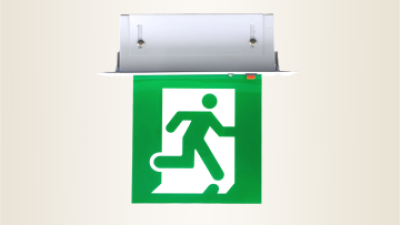
When it comes to enhancing safety in buildings, the importance of a reliable emergency exit sign cannot be overstated. The 165 Recess Mounted Emergency Exit Sign stands out as a crucial feature for any safety infrastructure, providing clear visibility in critical situations. Its sophisticated design ensures that the sign is unobtrusive yet effective, seamlessly integrating into various architectural styles while being easily recognizable in emergency scenarios.
A key benefit of this emergency exit sign is its capability to function seamlessly during power outages. This ensures that individuals can find their way to safety without confusion or hesitation. The durability of the materials used also ensures that the sign can withstand the test of time, maintaining its functionality and aesthetic appeal in diverse environments. For those looking to enhance safety measures, this exit sign presents a strategic solution that combines efficiency with design, providing peace of mind to occupants and building managers alike.
In addition to the core features of visibility and reliability, the modern design of the exit sign aligns well with contemporary safety standards. It serves as a reliable guide in emergencies, allowing for a swift and organized evacuation. Investing in advanced emergency lighting solutions, such as the 165 Recess Mounted Emergency Exit Sign, not only boosts safety protocols but also contributes to a more secure environment for all building users.
FAQS
: It converts standard LED lights into emergency lighting during power outages.
They provide necessary visibility during crises, ensuring safety when power fails.
They are designed for straightforward integration, requiring no complicated setup.
Key features like output power, runtime, and compatibility are essential to evaluate.
Some may only support short runtimes, under 30 minutes, which might be insufficient.
Extended battery life allows for longer operation during emergencies, enhancing reliability.
Not all LED lights work with every driver; ensuring compatibility prevents installation issues.
It can compromise safety and may not provide adequate light output during emergencies.
Quick charging time can be crucial in unexpected situations, making it a vital feature to consider.
The flexibility for future upgrades or changes in LED types is often neglected.
Conclusion
LED emergency drivers are essential components in modern lighting systems, ensuring safety and functionality during power outages. These devices not only provide illumination in emergency situations but also enhance overall lighting efficiency. When selecting a LED emergency driver, it's crucial to consider key features such as wattage capacity, duration of output, and installation compatibility.
A comparative analysis of various models reveals significant differences in performance and reliability, helping users make informed choices. Proper installation and maintenance are vital for optimal performance; following recommended guidelines can significantly extend the lifespan of these drivers. As technology evolves, future trends are likely to focus on increased energy efficiency and smarter integration with building management systems, promising even greater advantages for users of LED emergency drivers.







 Phone
 Send Email
 whatsapp