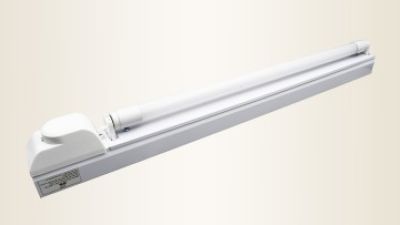
When it comes to lighting, the Led Light Tubereally marks a big step forward. Daniel Smith, who’s pretty much a go-to guy in lighting tech at Bright Innovations, once said, “Led Light Tubes have completely changed the way we light up our spaces.” That sums up just how much of an impact these little devices are making—whether in offices, homes, or even in some industrial setups.
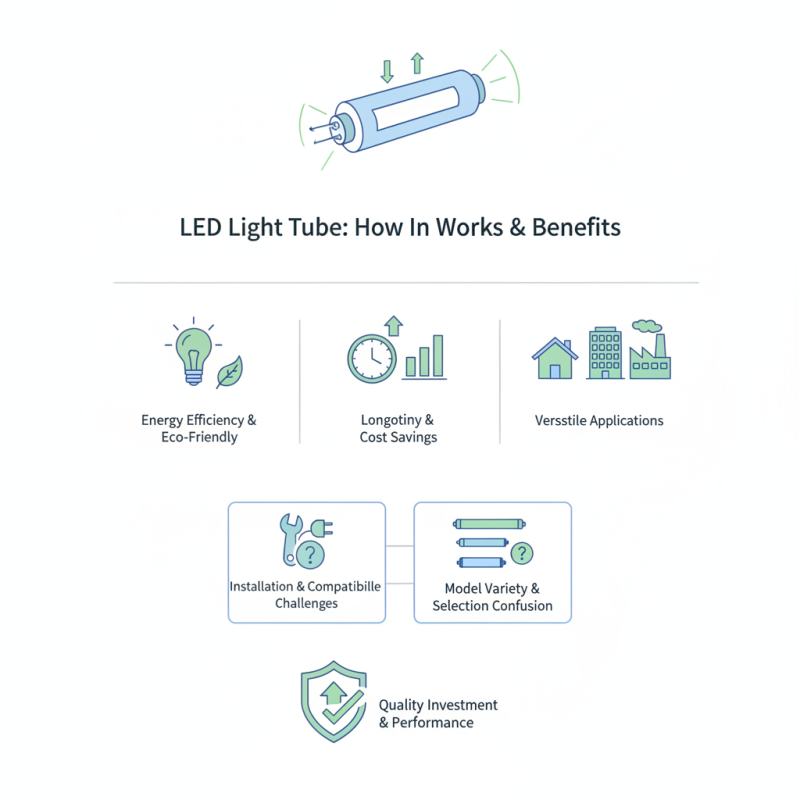
What makes Led Light Tubes stand out is that they use LEDs, which means they’re way more energy-efficient and last longer than the old-school fluorescent tubes. Plus, they don’t give off as much heat and are kinder to the environment by reducing carbon footprints. Basically, if you see them around—like in your office or at home—they’re pretty much the upgraded way to go. But, I gotta admit, switching over isn't always smooth sailing. Some folks find it tricky to install them or run into compatibility issues with their existing fixtures.
And here’s the thing—because there are so many different models out there, it can get a bit overwhelming. It's super important to pick the right Led Light Tube for your specific needs. Going for a quality product might cost a bit more upfront, but in the long run, it means better performance and more miles out of your bulb. So, by paying attention to the right specs and choosing wisely, you’ll really get to enjoy all the benefits these modern lights have to offer.
What is a LED Light Tube?
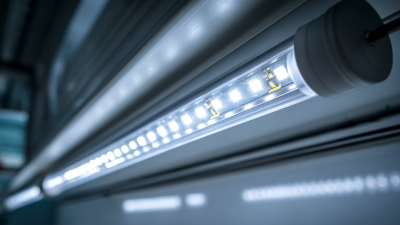
LED light tubes are efficient and versatile lighting solutions. They resemble traditional fluorescent tubes but offer several advantages. Primarily, they use less energy, which translates to lower electricity bills. Their lifespan is significantly longer as well. For instance, a T5 Led Light Tube can last up to 50,000 hours, reducing the need for frequent replacements. This longevity makes them a practical choice for both residential and commercial spaces.
The technology behind LED light tubes is straightforward. They emit light when an electric current passes through a semiconductor material. This process is different from the gas used in fluorescent lights. As a result, LED tubes are more durable and less prone to breakage. Many people appreciate their instant on/off function too. There’s no flickering, which can be bothersome.
However, not all LED tubes are created equal. Some might not disperse light evenly. Others may have a color temperature that doesn’t suit everyone's taste. It's essential to choose wisely. Lighting is crucial for mood and productivity. It's a detail worth reflecting on, especially when setting up a workspace or a relaxing home environment. Ultimately, understanding how a T5 Led Light Tube operates helps consumers make better lighting choices.
What is a Led Light Tube and How Does it Work?
| Feature | Description |
| Light Source | LEDs (Light Emitting Diodes) generate light efficiently. |
| Energy Efficiency | Uses significantly less energy compared to traditional fluorescent tubes. |
| Lifespan | Can last up to 50,000 hours or more. |
| Color Temperature | Available in various color temperatures (warm white, neutral white, cool white). |
| Installation Type | Can be surface-mounted or used in existing fixtures. |
| Environmental Impact | Free from hazardous materials like mercury. |
| Dimming Options | Some models are compatible with dimming controls. |
Components of a LED Light Tube
A LED light tube consists of several key components that work together to provide efficient lighting. At the core is the LED chip, responsible for converting electricity into light. These chips are known for their longevity and low energy consumption. Surrounding the chip, you’ll find a PCB (printed circuit board). This board not only supports the chip but also disperses heat, ensuring optimal performance.
The housing of the LED light tube plays a crucial role in its functionality. Made from durable materials, it protects the components from external damage. Additionally, the tube's lens, usually crafted from clear or frosted plastic, diffuses light evenly. This design helps minimize hotspots and creates a softer glow. The construction of an Outdoor Led Tube Light warrants careful attention to ensure weather resistance, especially for external applications.
Wiring also contributes significantly to the overall efficiency of the light tube. Proper connections create a seamless flow of electricity to the LED chip. However, incorrect wiring can lead to flickering or complete failure. It's essential for manufacturers to adhere to stringent safety standards and testing protocols. Understanding these components can enhance user experience and optimize lighting solutions for various environments.
How LED Light Tubes Generate Light
LED light tubes are innovative lighting solutions that utilize light-emitting diodes to generate illumination. Unlike traditional fluorescent tubes, LED light tubes are energy-efficient and have a longer lifespan. They convert electrical energy into light through a process called electroluminescence. This involves passing current through a semiconductor material, which emits photons when energized. The result is an efficient and bright light output.
Data from the U.S. Department of Energy suggests that LED lighting can reduce energy consumption by up to 75% compared to incandescent bulbs. This makes them a cost-effective choice for various applications. In 2020, the global LED lighting market was valued at approximately $80 billion and is projected to grow significantly. However, the performance of LED tubes can vary based on quality and the design of the fixture.
Understanding how LED light tubes work can inform better choices for both consumers and businesses. The color temperature and luminosity can differ greatly among products. Even high-quality LED tubes may have a color rendering index (CRI) that affects color perception in a space. While the technology is advancing, there are still issues with consistency in performance and longevity that warrant careful consideration.
Applications of LED Light Tubes
LED light tubes have gained traction in various sectors due to their efficiency and versatility. These light sources are widely used in commercial spaces, including offices and retail outlets. The energy-efficient nature of Led Tube Lights reduces energy consumption by up to 75% compared to traditional fluorescent lights. This makes them a popular choice for businesses aiming to lower operational costs.
In industrial settings, Led Tube Lights provide superior illumination and contribute to enhanced productivity. Workers often reportbetter visibility and reduced eye strain, which can be crucial for tasks requiring precision. Studies indicate that proper lighting can increase workplace efficiency by approximately 20%. Furthermore, LED tube lights offer a longer lifespan, usually over 50,000 hours, resulting in fewer replacements and lower maintenance costs. However, there are some concerns about the initial cost of installation and compatibility with existing fixtures.
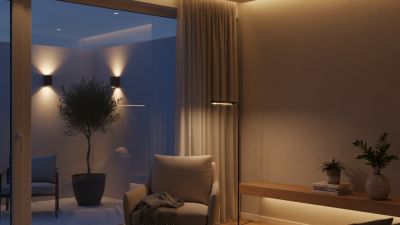
Residential applications of LED tube lights are also on the rise. Homeowners use them for both functional and aesthetic purposes. They can effectively light up kitchens or create ambiance in living spaces. Yet, there’s an ongoing discussion about color temperature preference. Some users feel that certain LED lights can come off as too harsh. Finding the right balance is essential for achieving the desired atmosphere. As the market grows, future innovations may address these user preferences, leading to more tailored lighting solutions.
Benefits of Using LED Light Tubes
LED light tubes, specifically T8 Led Light Tubes, have gained popularity for their many benefits. They offer energy efficiency, which leads to reduced electricity bills. Traditional fluorescent lamps consume more power, while T8 LEDs use significantly less. This reduction in energy consumption makes them an eco-friendlier choice.
Another advantage is their long lifespan. T8 LED light tubes can last up to 50,000 hours. This longevity means less frequent replacements, which can save both time and money. Additionally, these lights are durable and resistant to breakage compared to glass tubes.
A notable detail is how LED lights provide instant illumination. Unlike fluorescents, they don't flicker or take time to warm up. However, some people still notice a color temperature difference when transitioning. This requires careful consideration during replacement. While T8 LED light tubes offer clear benefits, potential users should assess their specific needs before making a switch.
Benefits of Using LED Light Tubes
How to Install LED Light Tubes
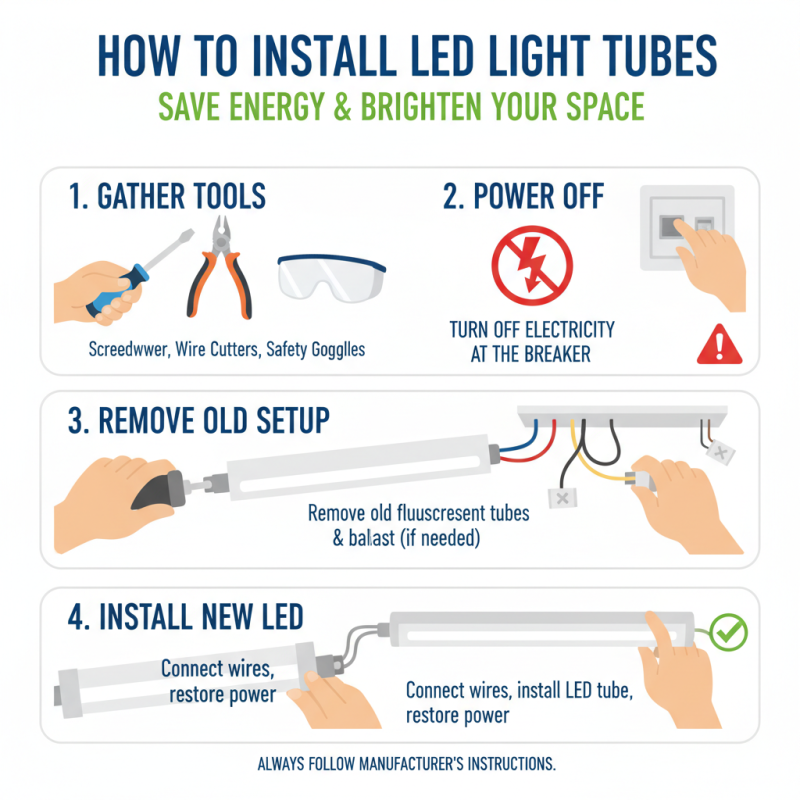
Installing LED light tubes can enhance your space while saving energy. Understanding the installation process is essential for ensuring proper function and safety. Start by gathering tools such as a screwdriver, wire cutters, and safety goggles. Make sure to turn off the power before you begin working to avoid electrical hazards.
Next, remove the existing fluorescent tubes if present. Carefully detach the fixture and disconnect the wiring. For LED tubes, check compatibility; some require a ballast bypass. If your model needs this step, remove the ballast completely. Connect the wires directly to the socket, ensuring the circuit is straightforward. This step can be tricky, so take your time.
Tips: Always read the installation guide included with your LED tubes. Each product might have specific requirements. If you're unsure about your electrical skills, consider hiring a professional. Additionally, evaluate the layout and placement of the lights for optimal brightness and energy efficiency. Addressing these factors can make your lighting more effective.
Maintenance Tips for LED Light Tubes
Maintaining LED light tubes is essential for optimal performance and longevity. Regular cleaning can significantly impact their brightness and efficiency. Dust and dirt can accumulate, dulling the light output over time. A damp cloth can effectively remove surface grime. Just make sure to disconnect the power before cleaning to avoid any electrical hazards.
Checking for flickering or dimming can indicate an underlying issue. Anomalies like these might suggest loose connections or failing components. Replacing these parts promptly can help maintain consistent lighting without interruption. Additionally, inspect fixtures for corrosion or damage, as these can affect the lifespan of LED tubes. It’s a small detail, but addressing them can save time and money in the long run.
LED light tubes are built to last, but they still require attention. Over time, even small faults can lead to performance declines. Scheduling periodic inspections is a practical approach. This not only ensures energy efficiency but also helps avoid costly replacements. Reflecting on maintenance habits can lead to a more efficient lighting setup.
Enhancing Energy Efficiency: The Impact of Dimmable Control in T8/0.6m Microwave Sensor LED Batten Lights on Lighting Performance and Cost Reduction
The integration of dimmable control in T8 0.6m microwave sensor LED batten lights represents a significant advancement in enhancing energy efficiency and optimizing lighting performance. The incorporation of advanced microwave sensing technology allows these lights to detect occupancy, ensuring that illumination is provided only when needed. This intelligent approach not only conserves energy but also extends the lifespan of the lighting fixtures, offering a sustainable solution for both residential and commercial applications.
Moreover, the dimming functionality enhances the adaptability of lighting solutions in various environments. By allowing users to adjust the brightness according to their specific needs, it leads to potential cost reductions on energy bills while maintaining an effective lighting strategy. This is particularly beneficial in spaces where lighting requirements may change throughout the day, enabling a tailored experience without compromising on quality or efficiency.
As the demand for energy-efficient lighting solutions continues to rise, products featuring such innovative designs are positioned to reshape the landscape of modern lighting. With robust construction and versatile features, these advanced fixtures not only meet functionality standards but also align with broader sustainability goals, making them a compelling choice for those looking to enhance both performance and cost-effectiveness in their lighting systems.
FAQS
: LED light tubes save energy, reduce costs, and provide better illumination. They lower energy consumption by up to 75%.
They improve visibility and reduce eye strain, which is essential for tasks needing precision. This can increase efficiency by about 20%.
LED tube lights usually last over 50,000 hours. This leads to fewer replacements and lower maintenance costs over time.
Initial costs and compatibility with existing fixtures can be challenging. Users should check compatibility before starting the installation.
Homeowners utilize them for both functional lighting and to create ambiance. They can effectively brighten kitchens or enhance living spaces.
Some users find specific color temperatures too harsh. It's vital to balance lighting for the desired atmosphere in your home.
You’ll need a screwdriver, wire cutters, and safety goggles. Make sure to turn off power to avoid hazards while working.
Yes, if you're unsure about electrical skills, consider hiring a professional. Installation can be complex and requires attention to detail.
Evaluate placement for optimal brightness and energy efficiency. Proper layout can enhance the effectiveness of your lighting arrangement.
Always read the installation guide provided with your LED tubes. Each product may have unique requirements for safe and effective installation.
Conclusion
A LED Light Tube is a modern lighting solution that utilizes light-emitting diodes to provide efficient illumination. Comprised of various components such as a light source, diffuser, and housing, LED light tubes are designed to generate light through a process that combines electrical energy with semiconductor technology. These versatile fixtures find applications in both residential and commercial settings, making them ideal for tasks ranging from general lighting to specialized illumination.
The benefits of using LED light tubes include their energy efficiency, long lifespan, and minimal maintenance requirements. Installation is typically straightforward, allowing users to easily replace traditional fluorescent tubes with LED alternatives. To ensure optimal performance, regular maintenance tips include cleaning the tubes and checking for any electrical issues. Overall, LED light tubes are an excellent choice for those seeking sustainable and cost-effective lighting solutions.





 Phone
 Send Email
 whatsapp