In today's fast-changing lighting world, picking the right Led Light Tube can really make a difference when it comes to saving energy and getting great performance. Foshan Kaili Lighting Technology Co., Ltd., has been a big name in emergency and green lighting since way back in 2004. With all those years of experience plus a solid R&D and manufacturing setup, we’re here to help you make smarter choices when it comes to LED Light Tubes. In this blog, we'll cover the top five technical specs you should look out for to pick the best LED Light Tube out there. Our goal? To help you find a product that not only lights up your space but also fits with your eco-friendly and energy-efficient goals. So, let’s break down the key features that make an LED Light Tube stand out in today’s really competitive market.
Understanding LED Light Tube Types and Their Unique Features
When you start exploring LED light tubes, it really helps to get a hang of the different types out there and what makes each one special. For example, T8 and T5 tubes each have their own vibe and purpose, fitting into various fixtures—you kind of need to pick the right one based on what you're aiming for. T8s are pretty popular because they’re energy-efficient and bright, while T5s are smaller but pack a punch with higher lumen output—perfect if you're dealing with commercial spaces. So, it’s worth thinking about the space you have and what kind of lighting mood you’re after.
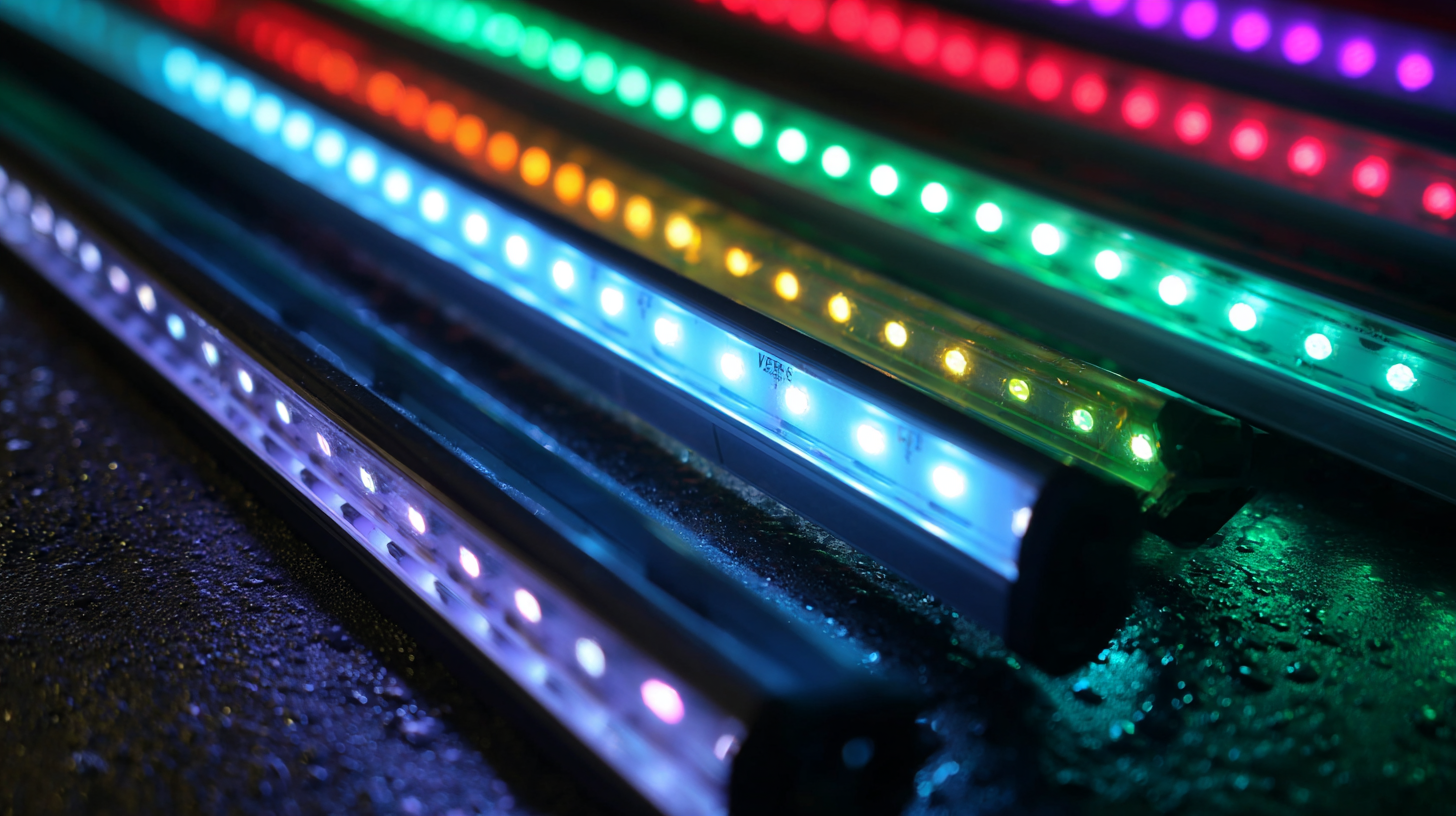
One tip I always recommend: double-check if the LED tubes you're eyeing are compatible with your existing fixtures. Some might need specific ballasts, while others can work just fine without them. Also, look for options that let you tweak the color temperature—it’s a game-changer when you wanna set the right vibe, whether it’s a warm glow for relaxing or cooler, crisp light for working.
Don’t forget to pay attention to lumens and wattage. A higher lumen count means brighter light, but it’s smart to find a balance with lower wattage so you’re saving energy. And if you want more control, go for tubes that have dimming features built in—that way, you can easily adjust the brightness to match your mood or task. Once you get a good feel for these key features, choosing the perfect LED light tube becomes a lot easier and way more satisfying.
Key Technical Specifications to Consider When Choosing LED Light Tubes
When you're trying to pick out the best LED light tubes for your space, there are a few key specs you really wanna pay attention to. For starters, lumens per watt is a big deal because it tells you how energy-efficient the light is. The Department of Energy says that LED lights generally deliver between 80 to 100 lumens per watt — that’s a huge jump compared to old-school fluorescent tubes, which are only around 60 lumens per watt. So, if you go for LED tubes with higher lumens per watt, you’ll get bright, effective lighting without wasting too much energy. Win-win, right?
Another thing to think about is the color temperature, measured in Kelvin. Most LED tubes come in a range of options, from warm white (like cozy evening lighting at around 2700K) to those crisp, cool whites at about 6500K. According to the American Society of Heating, Refrigerating and Air-Conditioning Engineers, a color temperature around 4000K hits that sweet spot for commercial spaces — it helps folks stay alert and productive without being too harsh or too dull. Plus, LED tubes usually last a long time — often over 25,000 hours — which means less hassle and fewer replacements, saving you money in the long run.
Last but not least, CRI, or Color Rendering Index, is super important if accurate color representation is a must. Basically, the higher the CRI (preferably above 80), the better colors look under that light. That’s especially crucial in places like art galleries or retail shops. A study from the Lighting Research Center even found that better CRI lighting can really boost visual tasks and make the environment feel more inviting overall. So, keeping all these specs in mind will help you pick the right LED tubes for whatever your needs are — whether it’s work, home, or something in between.
Discover the Top 5 Technical Specifications for the Best Led Light Tube in the Market
| Specification | Description | Typical Range | Importance |
| Lumen Output | Total light emitted by the tube | 800 - 2500 lumens | High |
| Color Temperature | Measured in Kelvin, indicates the color of the light | 3000K - 6500K | Medium |
| Power Consumption | Energy required to operate the light tube | 9W - 36W | High |
| Lifespan | Expected operational life of the tube | 15,000 - 50,000 hours | High |
| Beam Angle | Angle at which light is emitted | 120° - 180° | Medium |
Comparing Energy Efficiency of Different LED Light Tube Alternatives
When you're trying to pick out the best LED light tube, one of the big things to think about is energy efficiency. It’s a key factor not just for how well it lights up your space, but also for saving you some bucks on your electricity bill. LED tech is naturally way more efficient than old-school fluorescent lights, but not all LED tubes are exactly the same. So, when you're comparing different options, it's smart to look at things like lumens per watt—that’s basically how much light you get for each watt of energy used. The higher that number, the more efficient the tube is—that means plenty of light with less energy, which is pretty awesome, right?
Another thing to consider is how long these LED tubes last. Most are rated to go around 25,000 hours or even more, which means you won’t need to replace them all the time. Less fuss, less cost in the long run. Oh, and don’t forget about color temperature—that’s what creates the vibe of your space. Warm tones can make things feel cozy and inviting, while cooler ones can boost productivity, especially in work settings. Basically, by comparing different LED tubes based on these efficiency and longevity points, you can make smarter choices that help down the line with both energy savings and being kinder to the planet.
Exploring Brightness and Color Temperature in LED Light Tubes
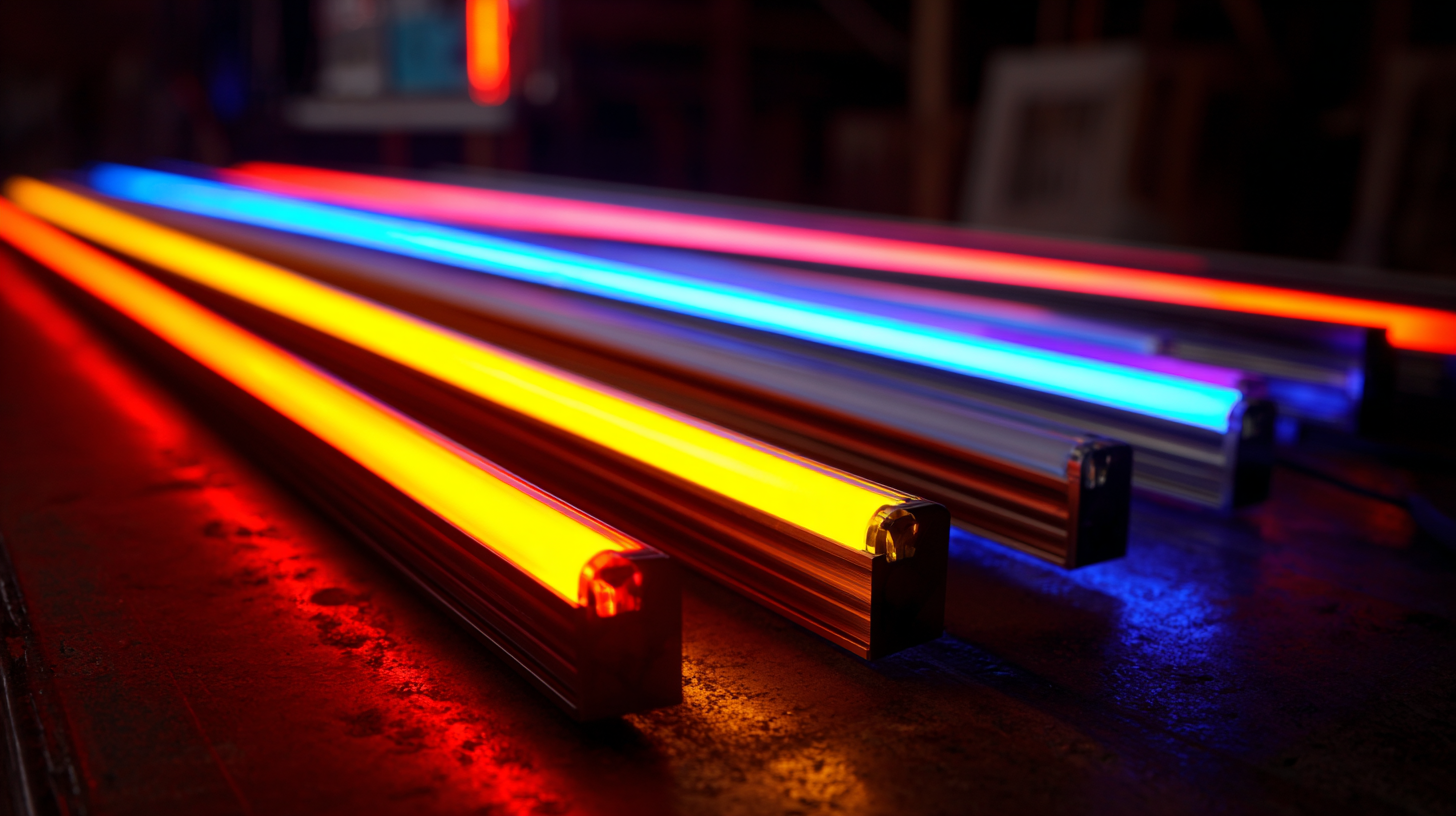
When you're looking at LED light tubes, two things really stand out—brightness and color temperature. These specs might sound technical, but they actually make a big difference in how the lights look and feel. Brightness, which you’ll see listed in lumens, basically shows how much light a tube throws out. The Department of Energy recommends that for most homes and commercial spaces, you’ll want somewhere between 800 and 2000 lumens. If you need really bright, focused light—stuff like workshops or retail shops—going for the higher lumens is definitely the way to go. On the other hand, lower brightness levels can help create a cozy, relaxed vibe—great for living rooms or restaurants.
Now, about color temperature—this one’s measured in Kelvin and describes the ‘color’ of the light. Think of it like the warm glow of a cozy lamp versus the stark, cool light of an office. Usually, warm white lights in the 2700K-3000K range make your space feel inviting and relaxing, perfect for chillin’ at home. But if you’re after a brighter, more energizing light—say, for workspaces—that’s when cooler temperatures like 4000K–5000K come in handy. The Lighting Research Center highlights how choosing the right color temperature can actually impact your mood and productivity. So, it’s worth picking an LED tube that matches what you need, while also being mindful about energy use. It’s all about finding that sweet spot that feels just right for you!
Installation and Compatibility Considerations for LED Light Tubes
When you're thinking about installing LED light tubes, one of the first things to keep in mind is whether they’ll actually work with what you've got. Compatibility is a pretty big deal since it can really impact how well they work and how efficient they are. For example, if you’ve got an old fluorescent fixture, chances are you can swap in LED tubes, but you might need to do a little retrofit or bypass the ballast. That usually means removing the ballast to get the most energy savings and to make sure the lighting looks great.
Another thing to look out for is the size of the LED tube—that’s usually 2 or 4 feet, but it’s a good idea to double-check your fixture’s measurements before buying. Don’t forget about the beam angle and color temperature, too. These little details can really change the vibe of your space. A wider beam is perfect if you want to light up a big area, and choosing the right color temperature helps set the mood—warm white gives a cozy feel, while cool white feels more energizing. If you take the time to think about these things, installing your LED tubes will go smoothly, and they'll look and perform just the way you want, whether in your house or at work.
Durability and Lifespan: What to Look for in LED Light Tubes
When you're hunting for the best LED light tubes out there, a couple of things really matter—durability and how long they last. It's not just about how bright they are; their lifespan actually plays a huge role in saving you money in the long run. Usually, a good quality LED tube should last somewhere between 25,000 to 50,000 hours. When you're checking out durability, it’s smart to look for models made with tough materials—stuff like shatterproof glass or high-impact plastic—that can handle bumps and knocks without breaking or losing functionality.
Also, think about the environment where you’ll be using these lights. If they’re meant for outdoor or damp areas, make sure they’ve got a solid IP rating—that’s basically a badge showing how well they resist dust and water. And don’t forget to peek at the warranty. A longer warranty is often a good sign that the manufacturer believes in their product’s durability. In the end, going for LED tubes that are built to last and have a long lifespan pays off—you're not only getting steady light but also saving on repairs and replacements down the road, which is pretty awesome.
Durability and Lifespan of LED Light Tubes
“Enhancing Safety with 370 Emergency Bulkhead Type LED Luminaries: Your Guide to 10W & 20W Options”
Enhancing Safety with 370 Emergency Bulkhead Type LED Luminaries: Your Guide to 10W & 20W Options
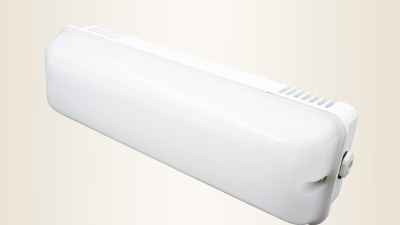
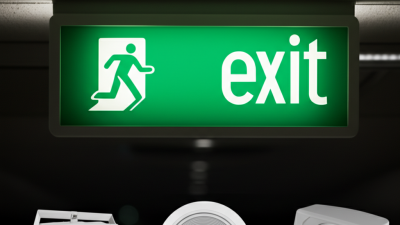
In today’s world, ensuring safety in public spaces is more critical than ever. The 370 Wall Mounted Emergency Sensor Rectangle Light stands out as an essential investment for enhancing emergency preparedness. According to recent industry reports, effective Emergency Lighting can reduce injury risks during critical events by up to 60%, underscoring the importance of selecting high-quality LED solutions. The 370 model, available in both 10W and 20W variants, adapts to diverse environments, offering optimal illumination regardless of the situation.
Designed for versatility, the 370 Emergency Bulkhead Light features a modern aesthetic while prioritizing functionality. Its brightness adjustment capability allows for customized settings, making it ideal for various applications such as public corridors, staircases, industrial areas, and underpasses. A study by the International Lighting Society found that areas equipped with adjustable emergency lighting report significantly lower panic levels during evacuations, reinforcing the need for such adaptive solutions. By choosing the right luminaire, facilities can enhance both safety and user experience, making them indispensable in modern infrastructure.
FAQS
: Lumens per watt measures energy efficiency in LED light tubes. Higher ratings typically mean better energy performance, with LED lighting offering between 80 to 100 lumens per watt compared to traditional fluorescent tubes, which provide about 60 lumens per watt.
Color temperature, measured in Kelvin (K), impacts the ambiance of a space. LED tubes range from warm white (2700K) to cool white (6500K), with around 4000K being optimal for commercial spaces, promoting alertness and productivity.
Many LED light tubes have an expected lifespan of over 25,000 hours, which reduces the frequency of replacements and overall maintenance costs compared to traditional lighting solutions.
The CRI measures color accuracy; a CRI above 80 allows for better color perception. This is vital in settings like art galleries and retail environments, where accurate color representation enhances visual tasks and ambiance.
It's crucial to determine if your existing fixtures are compatible with LED tubes. Some may need retrofitting or ballast bypassing to optimize performance and energy savings.
The beam angle determines how light is distributed in a space. A broader beam angle is suitable for larger areas, while a narrower angle can focus light on specific tasks.
Not all LED tubes are equally energy-efficient; it’s essential to compare lumens per watt ratings and operating lifespans to choose the most efficient option, which can lead to long-term cost savings.
Color temperature can dictate the atmosphere; warmer tones create a cozy environment, while cooler tones can enhance focus and productivity in work settings.
Standard lengths for LED light tubes include 2 feet and 4 feet, so it's important to measure your existing fixtures to ensure proper fit.
By comparing options based on metrics like lumens per watt, lifespan, and color temperature, consumers can select LED tubes that improve sustainability and reduce energy costs.



 Phone
 Send Email
 whatsapp