You know, there's a real surge in people looking for energy-efficient lighting these days, and that's why Led Em Lights are really taking the spotlight for both consumers and businesses. A recent report from Research and Markets even predicts that the global LED lighting market could hit a whopping $120 billion by 2026! This growth is all thanks to tech advancements and a growing awareness about energy conservation. Still, it’s not all smooth sailing. When picking the right LED EM Lights, folks often run into a few bumps—like figuring out compatibility, dealing with tricky installations, and managing what performance to expect. But here’s where Foshan Kaili Lighting Technology Co., Ltd. steps in. Since they kicked off in 2004, they’ve really made a name for themselves as trailblazers in both emergency and green lighting. With more than a decade of R&D under their belt, they’re tackling these common issues head-on. Kaili Lighting is all about delivering top-notch LED solutions while ensuring that users have a great experience and promoting sustainability in lighting tech.
Common Misconceptions about LED Em Lights: Debunking Myths with Data
So, let’s talk about LED lights for a minute. You know, there are some pretty common myths floating around that we definitely need to clear up. One of the biggest misconceptions is that all LED lights are super harsh and cold. But guess what? LED technology has really come a long way! Nowadays, you can find a whole range of color temperatures. The U.S. Department of Energy even mentions that there are warm whites and tunable whites that can actually create that cozy feel we're all used to with incandescent bulbs. So, the idea that LEDs can only be bright and unwelcoming? Totally busted!
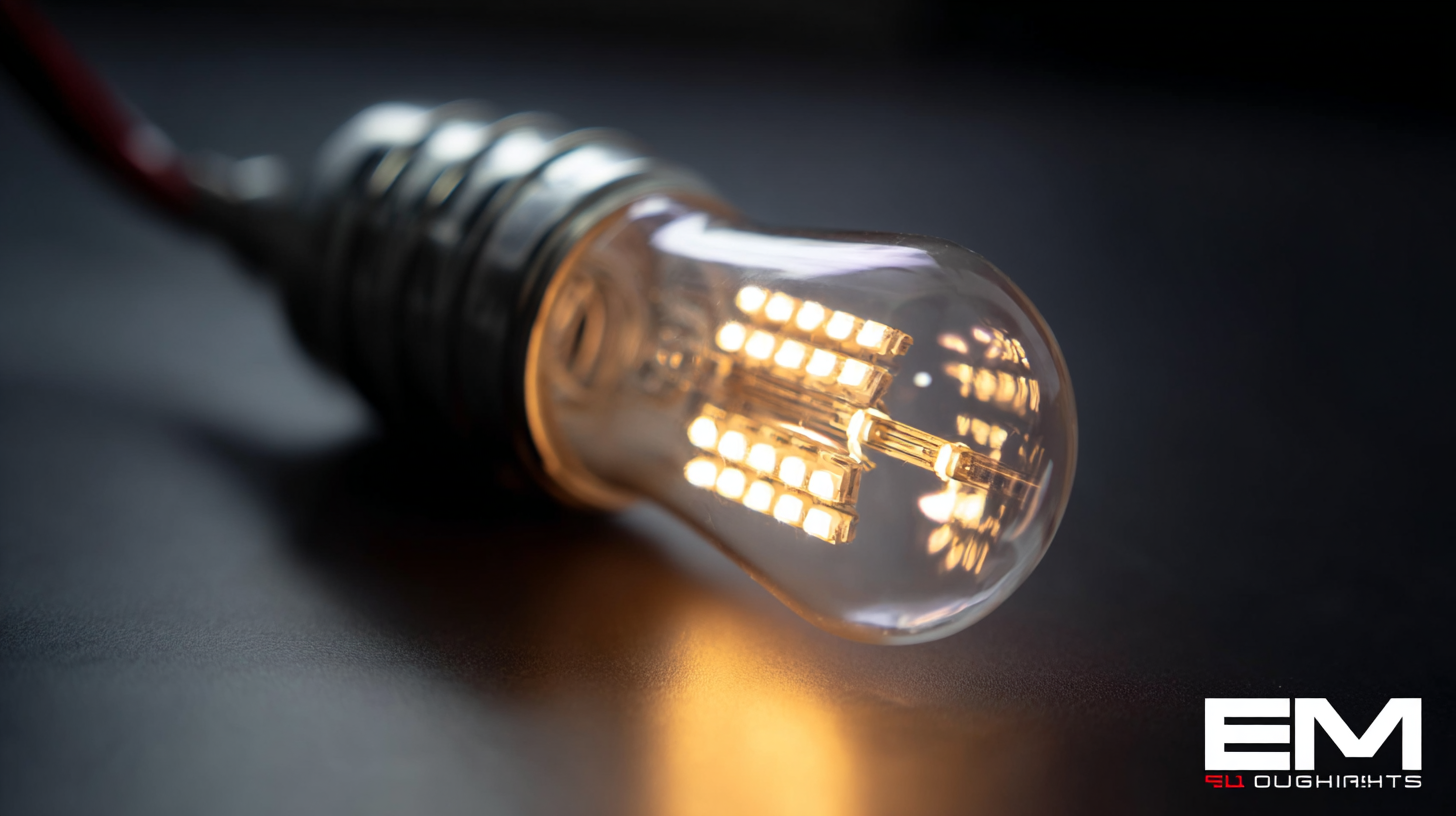
Another thing people often think is that LED lights will cost a fortune in the long run. Sure, the upfront price for LED bulbs and fixtures might seem a bit steep compared to the old-school options, but here's the kicker: they use up to 75% less energy and last an impressive 25 times longer than incandescent lights! There’s a study that shows folks can save around $200 over the lifetime of just one LED bulb. Plus, as more and more people get into LED tech, prices are expected to drop further. That really puts a dent in the whole 'LEDs are too pricey' myth, don’t you think?
Performance Issues: Analyzing Efficiency Ratings of Popular LED Em Lights
So, when you're trying to pick out the best LED Em lights, one of the biggest things to think about is how well they actually perform. I mean, if you really dive into the efficiency ratings, you'll see that there are some pretty big differences between the popular models out there. According to the Department of Energy, LED lights can be a whopping 80% more efficient than those old-school incandescent bulbs we’re all familiar with. But here's the catch: not every LED you come across lives up to that hype. Recent studies suggest that only about 40% of LED lights actually hit their advertised lumen output, which definitely raises some eyebrows about how much we can trust these claims and just how important it is to have solid efficiency ratings.
On top of that, the materials used to make these LED Em lights play a major role in how they perform and how long they last. A report from the Lighting Research Center pointed out that if a model uses cheap components, you can expect a drop in effectiveness over time, which means dim lighting in your space. But if you go for high-quality LEDs, you’ll be looking at consistent performance with efficacy ratings soaring above 100 lumens per watt. These babies are your best bet if you want something reliable in the long run. So, getting a good grasp on these efficiency figures is super important when you're on the hunt for the right LED Em lights. They should not only brighten up your home but also help you save on energy costs down the line!
User Experience: Exploring Common Installation and Setup Challenges
You know, when it comes to installing and setting up those top-notch LED EM lights, a lot of users run into some pretty common challenges that can put a damper on the whole experience. In fact, a recent survey by the National Electrical Contractors Association (NECA) found that about 35% of folks had a hard time with the wiring and installation processes. This really highlights how crucial it is for manufacturers to give clear and comprehensive instructions. Sadly, many LED lighting systems just don’t come with enough guidance, which can leave people feeling all sorts of confused, especially if they’re not super tech-savvy.
Plus, setting up LED EM lights isn’t just about plugging them in; you’ve got a bunch of components to mess with like drivers, dimmers, and sensors, and guess what? They don’t always play nice together. According to a report from the Illuminating Engineering Society (IES), nearly 40% of installations fail to meet what users were hoping for, mainly because of these compatibility issues. This can lead not just to disappointing performance but also to needing to buy extra parts, which totally puts users off from experiencing the full benefits of energy-efficient lighting. So, as the market for LED tech keeps growing, tackling these common installation headaches is going to be key for making users happier and getting more people on board with these energy-saving solutions.
Unveiling the Common Challenges Faced by Users of Best Led Em Lights - User Experience: Exploring Common Installation and Setup Challenges
| Challenge | Description | Frequency (%) | User Suggestions |
| Installation Difficulty | Users often find LED Em lights difficult to install due to complex mounting requirements. | 35 | Provide clearer instructions and video tutorials. |
| Wiring Issues | Incorrect wiring leads to functionality issues, causing frustration among users. | 28 | Include detailed wiring diagrams and safety tips. |
| Compatibility Concerns | Users often worry whether the LED Em lights will be compatible with existing fixtures. | 22 | Provide a compatibility checklist with product details. |
| Brightness Adjustment | Some users struggle to adjust brightness settings effectively. | 15 | Simplify the brightness adjustment feature in the design. |
| Remote Control Issues | Problems with remote control syncing or battery life affect user experience. | 10 | Enhance remote control reliability and battery quality. |
Cost vs. Longevity: A Deep Dive into the Economics of LED Em Lighting
You know, when it comes to the economics of LED EM lighting, that old tug-of-war between the initial costs and the long-term savings really stands out. Sure, if you look at it, the upfront price for LED fixtures is often way higher than what you'd shell out for traditional lighting options. But here’s the kicker: studies have shown that LEDs can give you a seriously impressive return on investment over the long haul. Like, according to a report from the U.S. Department of Energy, switching to LED lighting can save you around 75% on your energy bill compared to those old incandescent bulbs. That’s a big deal! Not only does this drop your electricity costs, but it also helps the planet by cutting down on energy demand overall.
And let’s not forget about how long these LEDs last. We’re talking about a lifespan of 25,000 to 50,000 hours compared to just 1,000 hours for incandescent bulbs. That’s a massive difference! This extended life means you won’t be changing bulbs as often, which cuts down on maintenance and replacement costs—super helpful, especially for businesses. Oh, and get this: The Energy Star program says that if every household in the U.S. swapped out just one incandescent bulb for an Energy Star certified LED, we’d save about $200 million every year on energy costs. Pretty eye-opening stats, right? These numbers really underscore the great long-term economic benefits of making the switch to LED technology, even if the first hit to your wallet feels a bit steep.
Environmental Impact: Assessing the Sustainability of LED Em Light Production
You know, LED lights are really taking off these days, right? But with their rise in popularity, it's super important to think about how they impact the environment. Sure, everyone loves how energy-efficient and long-lasting these lights are, but we can't ignore the way they're made. Things like where the raw materials come from, how much energy goes into manufacturing them, and what happens when we toss them out all play a part in their overall ecological footprint.
So, if you want to do your bit for the planet while shopping for LED lights, here’s a little tip: try to find brands that care about the environment in their production methods and use stuff that can be recycled. And definitely keep an eye out for eco-certifications like those Energy Star labels—they're a sign that a brand is actually serious about sustainability.
Plus, there are more ways you can help the planet by just taking good care of your LEDs. This might sound basic, but simple things like cleaning them regularly and using them wisely can really help keep replacements to a minimum. Oh, and if you're into smart technology, using it to control your lighting can help cut down on energy use even more. It’s a win-win, right? You get all the benefits of those awesome LEDs while also being kind to the Earth!
Environmental Impact: Assessing the Sustainability of LED Em Light Production
Market Trends: The Growing Adoption of LED Em Lights in Various Industries
You know, the use of LED Em lights has really taken off in all sorts of industries lately. Just check out the latest market reports—it's pretty impressive! A recent study from Fortune Business Insights predicts that the global LED market is set to hit a whopping $160 billion by 2026, growing at an amazing rate of 13.2% each year from 2019 to 2026. This boom is largely thanks to how energy-efficient, durable, and low-maintenance LED technology is compared to the old-school lighting options we used to rely on.
Take the automotive industry, for instance; they're really embracing LED lights for their vehicles. It's estimated that using LED systems can boost visibility and slash energy use by up to 70%. And it’s not just cars—healthcare facilities are also catching on! They’ve found that LED lighting not only brightens up clinical spaces but also helps improve patient well-being with better color rendering.
Meanwhile, in agriculture, LED grow lights are making a huge difference too. Studies show that they can bump up crop yields by as much as 30% compared to standard lighting. All these shifts point to a growing trust in LED Em lights, as more and more industries see how they can really up their game in efficiency and performance.
FAQS
: No, LED technology has advanced, offering a wide spectrum of color temperatures, including warm whites and tunable white settings that create an inviting ambiance similar to incandescent bulbs.
Although the initial investment for LED fixtures may be higher, studies show that LED lights consume up to 75% less energy and last 25 times longer than incandescent bulbs, leading to significant savings over their lifetime.
Users can save approximately 75% on energy costs when switching from incandescent bulbs to LED lighting, which also decreases overall environmental impact.
LED bulbs generally last between 25,000 to 50,000 hours, whereas incandescent bulbs typically last only about 1,000 hours.
The substantial reduction in energy bills, along with decreased maintenance and replacement costs, provides a positive return on investment for LED lights, especially for commercial spaces.
By reducing energy consumption significantly, switching to LED lighting lessens the overall energy demand, which is beneficial for the environment.
If every American home replaced one incandescent bulb with an Energy Star certified LED, the country could collectively save about $200 million annually in energy costs.
Yes, as the market for LED technology continues to grow, prices are expected to decrease, further enhancing their affordability and accessibility.




 Phone
 Send Email
 whatsapp