You know how hectic the business world can be these days, right? That's why keeping our employees and customers safe is super important—especially when it comes to picking the right Emergency Fire Lights for your company. A report from the National Fire Protection Association (NFPA) reveals that not having proper Emergency Lighting is actually behind 75% of fire-related deaths. At Foshan Kaili Lighting Technology Co., Ltd., we totally get how crucial good emergency lighting is in reducing risks during emergencies. Since we started back in 2004, we've been using our experience and strong R&D to come up with innovative lighting solutions that work for all sorts of industries. In this guide, we're going to dive into the key things to look for when choosing Emergency Fire Lights and share some real-life examples that show just how effective they can be at protecting lives and property.
Understanding the Importance of Emergency Fire Lights in Commercial Settings
You know, when it comes to commercial spaces, we really can't emphasize enough just how important emergency fire lights are. These lifesaving gadgets make sure that both employees and customers can make a safe getaway when things go sideways, helping to keep panic and injuries to a minimum. And guess what? The emergency lighting market is really taking off! It's expected to jump from about $6.74 billion next year to around $7.23 billion in 2025. This is making businesses sit up and take notice, realizing they really need to get on board with solid lighting solutions.
Now, if you're thinking about picking out emergency fire lights for your business, here are some tips that really matter. First off, double-check that the lights comply with local safety codes and regulations. This step is super important because you want to ensure they work right when you need them most. Next, take a good look at the size and layout of your space so you can figure out how many lights you actually need and where to put them. We want every nook and cranny lit up, especially those busy areas and key exits. Lastly, don’t forget about regular testing and maintenance. These lights should be ready to roll 24/7 to keep everyone feeling safe.
Investing in good-quality emergency fire lights not only ramps up safety in your commercial space but also gives you and your team some serious peace of mind. So, remember to prioritize these points to help create a safer environment for everyone involved!
Key Features to Consider When Selecting Emergency Fire Lights for Your Business
Hey there! So, if you’re in the market for emergency fire lights for your business, there are a few key features you definitely don't want to overlook—safety and compliance are super important here. For starters, brightness is a biggie! The National Fire Protection Association (NFPA) says that these lights need to shine bright enough to help everyone make a safe escape. They recommend at least 1 foot-candle for exit paths and access points, so make sure you pick lights that hit or even surpass that standard.
Another thing to think about is how long the battery lasts. A lot of folks don’t realize that, according to the NFPA, emergency lights need to last at least 90 minutes after a power outage. It’s a smart move to go for lights that come with high-capacity batteries and snazzy LED tech—those will keep things lit during critical times. Plus, you really want to think about where these lights are going to go; putting them in the right spots can help guide people to the exits, which cuts down on confusion and really amps up safety when things get hectic.
And don’t forget about compliance! Making sure your emergency fire lights follow local and national rules is super important—getting it wrong could land you with fines or even more liability down the line. There’s been some research from the National Institute of Standards and Technology (NIST) that shows if these lights are installed and maintained incorrectly, they might not work when you need them most. So, by zeroing in on these key features, you can make a smart choice that really enhances the safety of your business environment.
Types of Emergency Fire Lights: A Detailed Comparison of LED, Incandescent, and Fluorescent Options
So, when you’re picking out emergency fire lights for your business, it's super important to know what types are out there. You've got three main options: LED, incandescent, and fluorescent, and each one has its own perks. Lately, LED lights have become the go-to choice because they save energy and last a really long time—seriously, it’s a game changer for the emergency lighting scene. If you look at the numbers, the global emergency lighting market is projected to hit a whopping $10.73 billion by 2030, growing at a solid 6.9% per year from 2021 to 2030. This boom is mostly because everyone’s swapping in LED tech, which can really cut down on energy use, you know?
Now, incandescent lights were the old-school option, but they're kinda falling out of favor since they don’t last as long and use up more energy. Fluorescent lights are a nice middle ground—they work pretty well and are efficient, but they can't quite match the lifespan of LEDs. As more businesses are looking to boost their safety measures and stick to regulations, they’re really leaning toward LED lights. Not only do these save money on energy bills, but they also mean less hassle when it comes to maintenance. Plus, get this: the emergency lighting market is projected to grow even faster, at a rate of 13.0% from 2024 to 2030. That just shows how everyone’s moving towards more reliable and energy-efficient lighting for emergency situations!
Regulatory Standards and Compliance: What Your Business Needs to Know About Fire Safety
When it comes to fire safety, keeping up with regulatory standards is super important for any business that wants to protect its space and the people in it. The National Fire Protection Association (NFPA) has laid down some essential codes, like NFPA 101, which details the must-haves for keeping people safe from fire in buildings. These rules cover everything from putting up emergency fire lights to making sure they're bright enough and placed just right, so they’re easy to spot in an emergency. Ignoring these guidelines can hit you hard with hefty fines, but the real kicker is that it could put lives at risk.
On top of that, the Occupational Safety and Health Administration (OSHA) requires that companies regularly check and maintain their fire safety gear, including those emergency lighting systems. A report from the National Institute for Occupational Safety and Health (NIOSH) noted that roughly 2,500 workplace fires happen every year in the U.S., which really drives home the need for solid fire safety practices. That’s why it’s not just a good idea to know your local regulations and choose emergency lights that meet or even exceed these standards—it’s really a moral and legal duty every business should commit to. It’s all about keeping your people safe and preventing disasters before they can even start.
How to Choose the Best Emergency Fire Lights for Your Business: A Comprehensive Guide
| Light Type | Illumination Duration | Light Output (Lumens) | Battery Type | Compliance Standards |
|
Led Emergency Lights | Minimum 90 minutes | 500 - 1000 Lumens | Lithium-ion | UL924, NFPA 101 |
| Fluorescent Exit Signs | Minimum 90 minutes | 100 - 250 Lumens | Nickel-cadmium | ANSI/UL 924 |
| Self-Contained Emergency Lights | Minimum 90 minutes | 300 - 700 Lumens | Sealed Lead Acid | NFPA 70, NEC |
| Battery Backup Lights | Minimum 120 minutes | 400 - 800 Lumens | Rechargeable Lithium | OSHA, IBC |
Cost-Benefit Analysis: Evaluating the Long-Term Value of Investing in Quality Fire Lights
So, when you’re thinking about the long-term benefits of investing in quality emergency fire lights for your business, you really can’t overlook a solid cost-benefit analysis. I mean, did you know that according to the National Fire Protection Association (NFPA), businesses that take fire safety seriously can cut the risk of major property damage by up to 40%? That’s pretty eye-opening! It just goes to show how vital it is to have dependable emergency lighting systems. Not only do they boost safety, but they can also end up saving you a chunk of change if things go south during a fire.
And here’s another thing: upgrading to high-quality emergency fire lights might even help lower your insurance costs. The Insurance Information Institute mentions that companies with strong safety protocols, including good emergency lighting, might snag lower premiums—like potentially saving up to 20% each year. That’s not too shabby, right? Plus, having well-lit emergency pathways and exit signs can speed up evacuations, which reduces the risk of injuries and could help you dodge those nasty legal fees. So, by taking into account these long-term gains and savings, businesses can make smart choices that not only prioritize safety but also keep their wallets a little healthier.
Maintenance and Inspection Practices: Ensuring Reliability and Safety for Your Emergency Lighting System
So, when you're picking out emergency fire lights for your business, it's really important to wrap your head around how to keep them in good shape and inspect them properly. You know, regular check-ups are actually required by the UK Fire Safety Law. This means that the folks in charge need to ensure that those emergency lighting systems are working like they should when the chips are down. Industry standards suggest that these lights should get a little love every month with a test, plus a more thorough annual check-up to really make sure they’re up to snuff. Sticking to these maintenance schedules isn’t just about ticking boxes; it actually helps your place stay resilient when things get tough.
On top of that, it looks like the emergency lighting game is changing. We’re moving past just doing compliance checks - there are smarter, more integrated systems popping up everywhere. Some recent industry insights are showing that if you throw in some fancy monitoring tech, you could really cut down on the chances of your systems failing when they're most needed. Looking ahead, experts are predicting that the fire safety service market will see some serious growth from 2024 to 2029. That’s largely due to new innovations in emergency lighting that really focus on being effective and keeping everyone safe. So, if businesses take a proactive stance on maintenance, they can not only stay compliant but also do a better job protecting their assets and their people if an emergency ever hits.
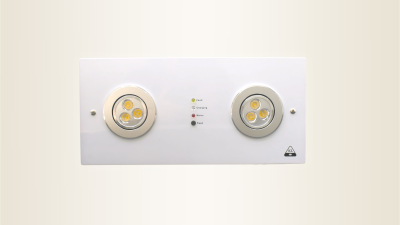
Enhancing Safety: The Critical Role of 2x3w Recess Mounted LED Twin-Spot Emergency Lights in Modern Emergency Lighting Systems
In modern emergency lighting systems, ensuring the safety of occupants during unforeseen events is paramount. The 2x3w recessed mounted LED twin-spot emergency lights play a critical role by providing reliable illumination when it is needed most. These advanced systems are designed not just to comply with safety regulations but to exceed them, creating a secure environment in both residential and commercial settings.
Introducing the QS360Y220L1206-10C1, a groundbreaking 12V recessed emergency lighting fixture that epitomizes the integration of cutting-edge technology with practical usability. This versatile solution is engineered to activate during power outages, illuminating spaces efficiently and effectively. Its sleek design offers a modern aesthetic while its robust construction ensures durability, making it an ideal choice for various applications. Whether in a home, office, or public building, this emergency light guarantees safety and convenience, proving that preparedness can blend seamlessly with style.
By incorporating the QS360Y220L1206-10C1 into emergency lighting systems, users can rest assured that they have taken a proactive step towards safeguarding lives. With features that cater to easy installation and operation, this recessed emergency light alleviates the stress often associated with emergency preparedness. As we continue to prioritize safety in our environments, embracing advanced solutions like this will become increasingly essential in maintaining peace of mind during emergencies.
FAQS
: Businesses must adhere to the National Fire Protection Association (NFPA) codes, particularly NFPA 101, which outlines minimum life safety requirements from fire in buildings, including the installation and placement of emergency fire lights.
Non-compliance can lead to significant financial penalties and, more critically, jeopardize the lives of personnel and occupants.
OSHA mandates that businesses conduct regular inspections and maintenance of their fire safety equipment, including emergency lighting systems.
Emergency lighting systems should be tested monthly and undergo a comprehensive annual check to ensure they function correctly during emergencies.
Emerging trends involve the evolution of emergency lighting from simple compliance checks to smarter, integrated systems that incorporate advanced monitoring technologies to reduce system failures.
Proactive maintenance enhances compliance with legal obligations, improves operational resilience, and better protects assets and personnel in emergencies.
The report highlights that approximately 2,500 workplace fires occur annually in the U.S., emphasizing the need for effective fire safety measures and compliance.
Businesses should consider their jurisdiction's specific requirements and ensure that the selected emergency fire lights meet or exceed regulatory standards for safety and efficacy.
The fire safety service market is forecasted to grow significantly due to innovations in emergency lighting that prioritize both efficacy and safety.





 Phone
 Send Email
 whatsapp