Lately, there’s been quite a buzz around the need for better, more reliable lighting solutions—especially when it comes to Emergency Lighting. If you look at the latest reports fromResearch and Markets, they’re saying the global emergency lighting market could hit around $5.4 billion by 2025. Pretty impressive, right? It really shows how quickly this industry is growing. Technologies like the LED Emergency Driver are really leading the charge here, offering flexible options that boost both how well these systems work and their eco-friendliness. Companies such as Foshan Kaili Lighting Technology Co., Ltd., which has been around since 2004, have played a big role in this shift. They’ve poured years into R&D to bring us cutting-edge emergency and green lighting solutions. As this market keeps expanding, it’s super important to understand how LED Emergency Drivers can be used in different settings—because that’s the key to making spaces safer and more energy-efficient.
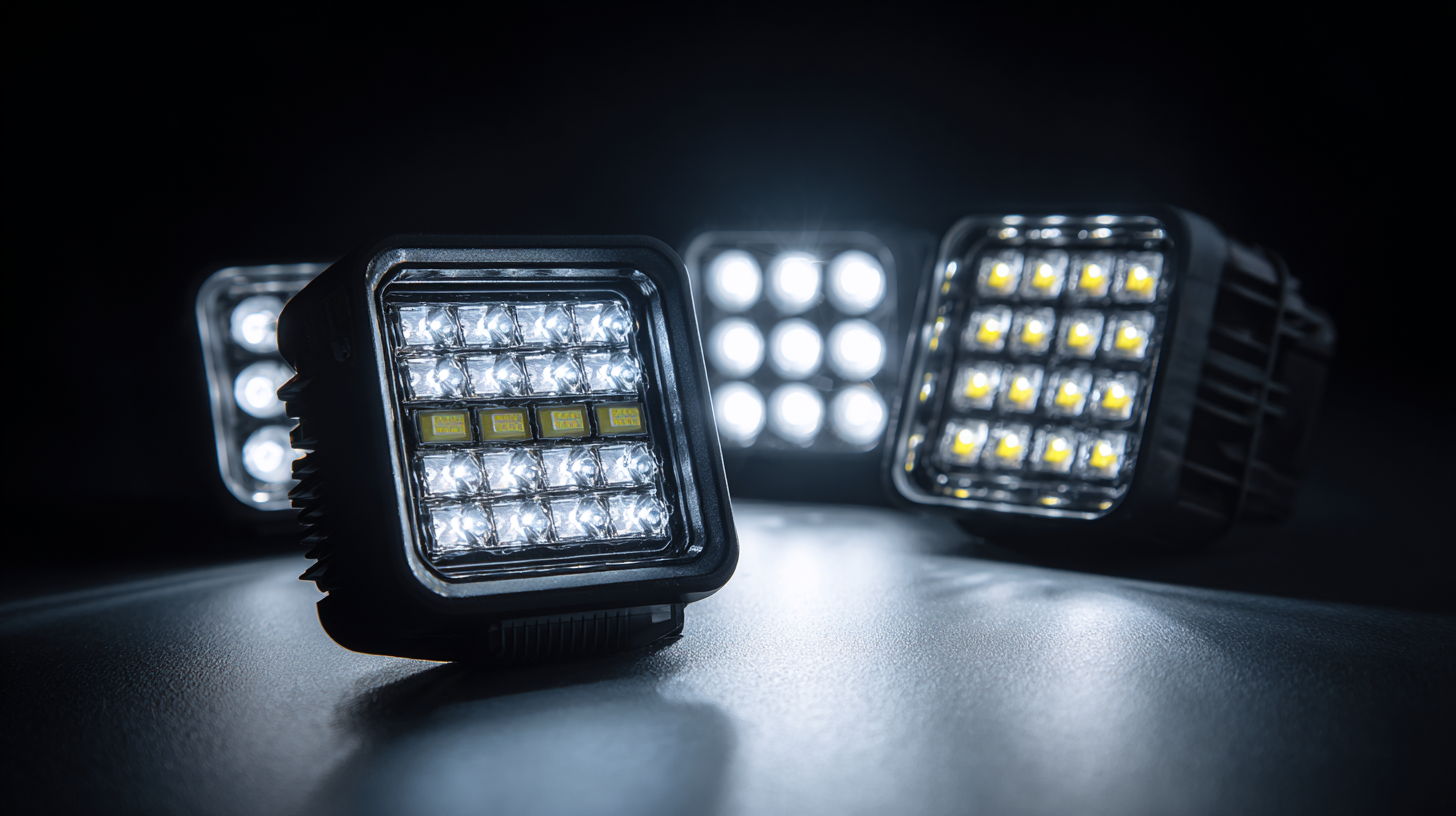
Lately, LED emergency drivers have really become a key player in the world of smart lighting. They do more than just keep the lights on during a power outage—they smoothly integrate with modern tech to make everything work better. For example, in places like offices or shops, you might find these drivers working together with sensors that detect if someone’s around. When they sense occupancy, they can automatically adjust the lighting, which is great for both safety and saving energy. It’s kind of like giving your lighting system a bit of a brain — making spaces more comfortable while keeping things safe and efficient.
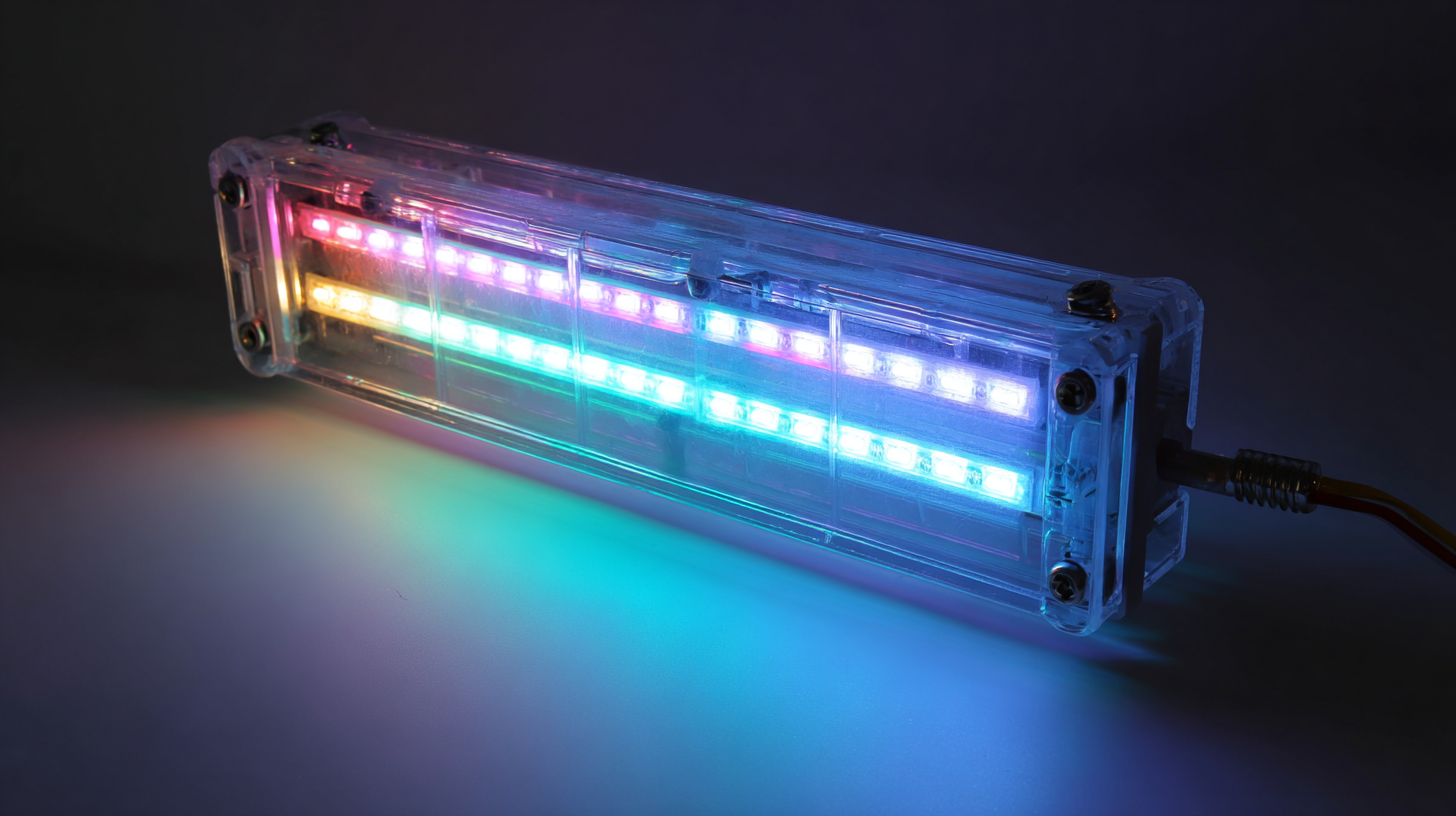
And it doesn’t stop there. These LED emergency drivers are also a big deal in smart home setups. Homeowners can set them up so that lights turn on automatically during emergencies or unexpected situations. Plus, with smartphone apps, you can check on or control your lights remotely—super handy, right? The thing is, these drivers aren’t just safety gear; they’re actually becoming an important part of the smarter, more connected homes and spaces we’re seeing today. They make environments safer, more responsive, and a lot more convenient for us all.
So, if you're into making buildings more energy-efficient, you'll probably want to pay attention to LED emergency drivers. These little guys are pretty crucial in modern lighting setups—they keep the important lights on during a power outage, and they also help cut down on waste. Did you know that the building sector accounts for about 40% of the world's energy use? Crazy, right? Switching over to LED technology can make a real difference and help cut back those greenhouse gases. In fact, moving from old-school lighting to LEDs is expected to slash emissions quite a bit, which lines right up with the EU’s Green Deal goals to reach a climate-neutral economy.
When you're picking out LED emergency drivers, look for ones with high luminous efficacy—that’s just a fancy way of saying they use energy really efficiently. Also, make sure they match up with your existing systems so swapping them out isn’t a total headache. That way, you get the most bang for your buck in terms of energy savings.
Plus, it’s not just about checking boxes anymore—companies are shifting from basic compliance to really optimizing for efficiency and savings. With climate change causing temperatures to rise—predicted to jump by about 2.7 °C by 2100—finding smarter, greener lighting options is more important than ever. Investing in good LED emergency drivers isn't just about safety; it’s about paving the way for a more sustainable future.
Oh, and a tip: keep an eye on your energy use and stay updated on the latest in LED tech. As innovations roll out, those tiny improvements can add up to big savings over time.
When it comes to modern lighting design, safety and compliance are a big deal—especially with things like LED emergency drivers. These little guys are more than just backup lights; they really boost the overall safety of a space. By including LED emergency drivers in their setups, designers can make sure their products stay within strict safety standards while still offering reliable illumination when the power's out. It’s pretty cool how seamlessly these drivers switch between normal and emergency modes, so everyone stays safe and the space remains lit during unexpected situations.
Take Foshan Kaili Lighting Technology Co., Ltd., for example. They've been top players in emergency and eco-friendly lighting since 2004. With tons of experience and a strong R&D team behind them, Kaili Lighting pushes innovation while sticking to safety rules. Their LED emergency drivers use cutting-edge tech—making them durable, efficient, and compliant with international safety standards. All in all, using solutions like theirs helps lighting designers create spaces that are both stylish and safe, without any compromise on performance or looks.
You know, the whole idea of using LED emergency drivers in commercial projects has really taken off recently. It’s a big deal, especially with energy demands ticking up and the constant need for dependable lighting. I read a report from the U.S. Department of Energy that says LED lights can use up to 75% less energy and last 25 times longer than that old incandescent stuff. Honestly, that’s a pretty huge difference — it means not just smaller utility bills, but also less spent on maintenance and replacements. So, for businesses, going with LED emergency drivers isn’t just about being eco-friendly; it actually makes good financial sense.
And here's the kicker: a recent study by MarketsandMarkets says that the global market for LED emergency lighting could hit around USD 4.2 billion by 2025, growing at about 10% a year. More and more companies are catching on, realizing that these systems aren’t just about safety compliance — though that’s super important — they also help cut costs in a big way. Investing in LED emergency drivers means staying safe and meeting all regulations without blowing the budget. Honestly, it just seems like a smart move all around, especially when you’re planning new commercial spaces.
| Project Type | Initial Cost ($) | Annual Maintenance Cost ($) | Energy Savings (%) | Payback Period (years) |
|---|---|---|---|---|
| Office Building | 15,000 | 1,200 | 30 | 3 |
| Retail Store | 20,000 | 1,500 | 35 | 4 |
| Hospital | 50,000 | 2,000 | 40 | 5 |
| School | 30,000 | 1,000 | 25 | 3.5 |
As cities grow into smarter, more connected places, using LED emergency drivers in modern lighting setups is becoming more and more important. These drivers are not just backup power sources in case of outages—they also make smart street lighting much more functional. Thanks to built-in sensors and IoT capabilities, LED emergency drivers help gather real-time data and improve energy efficiency. This kind of connectivity lets city infrastructure respond dynamically to things like traffic flow or weather changes, helping cut down on energy waste while keeping everyone safe and accessible.
Looking ahead, we can expect these LED emergency drivers to play a key role in tackling big urban problems like traffic jams and pollution. Imagine streetlights that automatically adjust their brightness depending on whether people or cars are around—that’s the kind of smart mobility upgrade these systems support. Plus, as cities move toward greener energy sources, the ability of LED emergency drivers to keep running during power outages will be crucial for making smart city systems more resilient. All in all, the combo of innovative lighting tech and the smart city concept points us toward a future that's more connected, efficient, and sustainable.
: LED emergency drivers are essential components that ensure lighting remains operational during power outages. They integrate with advanced technology, enhancing functionality and safety in both commercial and residential smart lighting systems.
LED emergency drivers help maintain essential lighting during outages and improve overall sustainability by supporting the transition from traditional lighting to energy-efficient LED solutions, significantly reducing energy consumption and greenhouse gas emissions.
Yes, LED emergency drivers can be programmed for smart home systems to activate automatically during emergencies, providing enhanced safety and remote control capabilities through mobile applications.
When choosing LED emergency drivers, consider those with high luminous efficacy ratings for better energy performance and ensure compatibility with existing systems to maximize retrofitting efficiency and energy savings.
LED emergency drivers enhance smart city infrastructure by providing backup power, integrating with sensors for real-time data collection, and allowing street lighting systems to dynamically adjust based on traffic and environmental conditions.
Future trends indicate that LED emergency drivers will be pivotal in addressing challenges like traffic congestion and air pollution by supporting intelligent street lighting systems that adjust brightness based on real-time data, thereby promoting energy efficiency and urban mobility.
They contribute to sustainability by enabling smarter energy use in lighting, reducing reliance on traditional power sources, and helping cities achieve climate-neutral objectives as outlined in initiatives like the EU's Green Deal.
As temperatures rise due to climate change, the necessity for energy-efficient solutions like LED emergency drivers becomes even more critical, as they help create resilient and sustainable spaces capable of functioning during grid disruptions.
Hey, have you checked out that blog titled "Innovative Uses for LED Emergency Drivers in Modern Lighting Solutions"? It really dives into how these LED emergency drivers are becoming a big deal in smart lighting systems today. Not only do they help make things more energy-efficient — which is great for the environment — but they also make sure that safety standards are met without breaking a sweat. The article even takes a close look at the costs involved and points out how adding these drivers in commercial setups can save money in the long run, all while boosting safety. Pretty cool, right?
And it doesn’t stop there. The blog also talks about where things are headed — like how LED emergency drivers could become a key part of smart city infrastructure down the line. It’s honestly exciting to see how companies like Foshan Kaili Lighting Technology Co., Ltd., are pushing the envelope with their R&D, constantly coming up with new ways to improve lighting solutions that are safer, more efficient, and environmentally friendly. It’s like watching the future of urban lighting unfold, one innovation at a time.