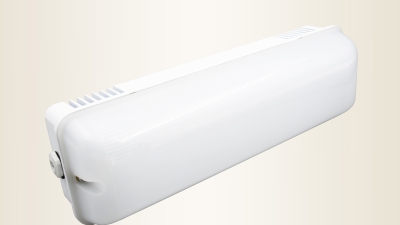
You know, in today’s super fast-paced world, having reliable Emergency Lighting is more important than ever. A report from MarketsandMarkets tells us that by 2026, the global emergency lighting market is set to hit around$7.95 billion, which is pretty wild, right? That kind of growth really highlights how crucial it is to pick the right LED lights when it comes to emergency situations. There’s a lot to think about, like brightness, energy efficiency, and, of course, reliability.
Now, when we talk about quality in this space, Foshan Kaili Lighting Technology Co., Ltd. stands out. With over 19 years of experience under our belt, we’ve been busy developing some innovative, top-notch LED lights meant for emergency use. Our strong R&D and production capabilities mean we’re able to roll out lighting solutions that go beyond just meeting the basic needs of safety and sustainability during emergencies. We really take pride in that! 
Understanding the Importance of LED Lights in Emergency Situations
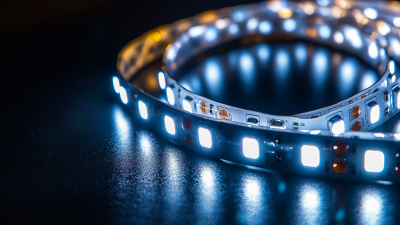
When it comes to emergencies, having dependable lighting is super important for both safety and getting things done quickly. Lately, LED lights have become everyone's go-to option, and it's pretty easy to see why. They’re bright, last a long time, and don't munch on energy like traditional bulbs. When the power goes out or that big storm hits, LEDs light up right away, which is exactly what you need to move around safely and tackle whatever needs your attention without wasting any time.
But LEDs are about more than just providing light. Their sturdiness and ability to withstand tough weather make them great for all sorts of situations—think floods or those nasty power outages during a storm. Plus, a lot of LED lights come with handy features like strobe settings or adjustable brightness. Those can really help grab someone's attention or signal for help when you need it most. So knowing how to pick the right LED lights for emergency situations can seriously boost your preparedness and response game, making sure you're ready to take on any crisis that comes your way.
Key Industry Standards for Emergency LED Light Performance
Choosing the right LED lights for emergencies? Yeah, that’s super important, and knowing the key industry standards can really make a difference in terms of reliability and performance. One of the big ones you’ll want to keep an eye on is the Illumination Engineering Society (IES) standards. These guidelines cover everything from light output to how much energy they use. Basically, they help you figure out just how bright the lights need to be for different emergency situations, ensuring they actually guide folks to safety when it counts.
And let’s not forget about the National Fire Protection Association (NFPA) regulations—they’re a must-follow too. These regulations lay out what emergency lighting systems need to have across different environments. They stress the need for lights that can really hold up under tough conditions. Think temperature resistance, battery backups, and a minimum time they need to shine to make sure evacuation routes are safe. Following these standards not only keeps you safe but also builds confidence in those products when it comes to being ready for an emergency.
When you’re picking out the best LED lights for emergencies, you should really think about how resilient they are and how they perform too. Checking if they’ve got Underwriters Laboratories (UL) certification can give you peace of mind since it means they’ve been through some serious testing for both durability and brightness. So, by keeping these industry standards in mind, you’ll be better equipped to sift through all the options out there and find LED lights that really deliver when it comes to handling those critical emergency scenarios.
How to Evaluate Brightness and Color Temperature for Effectiveness
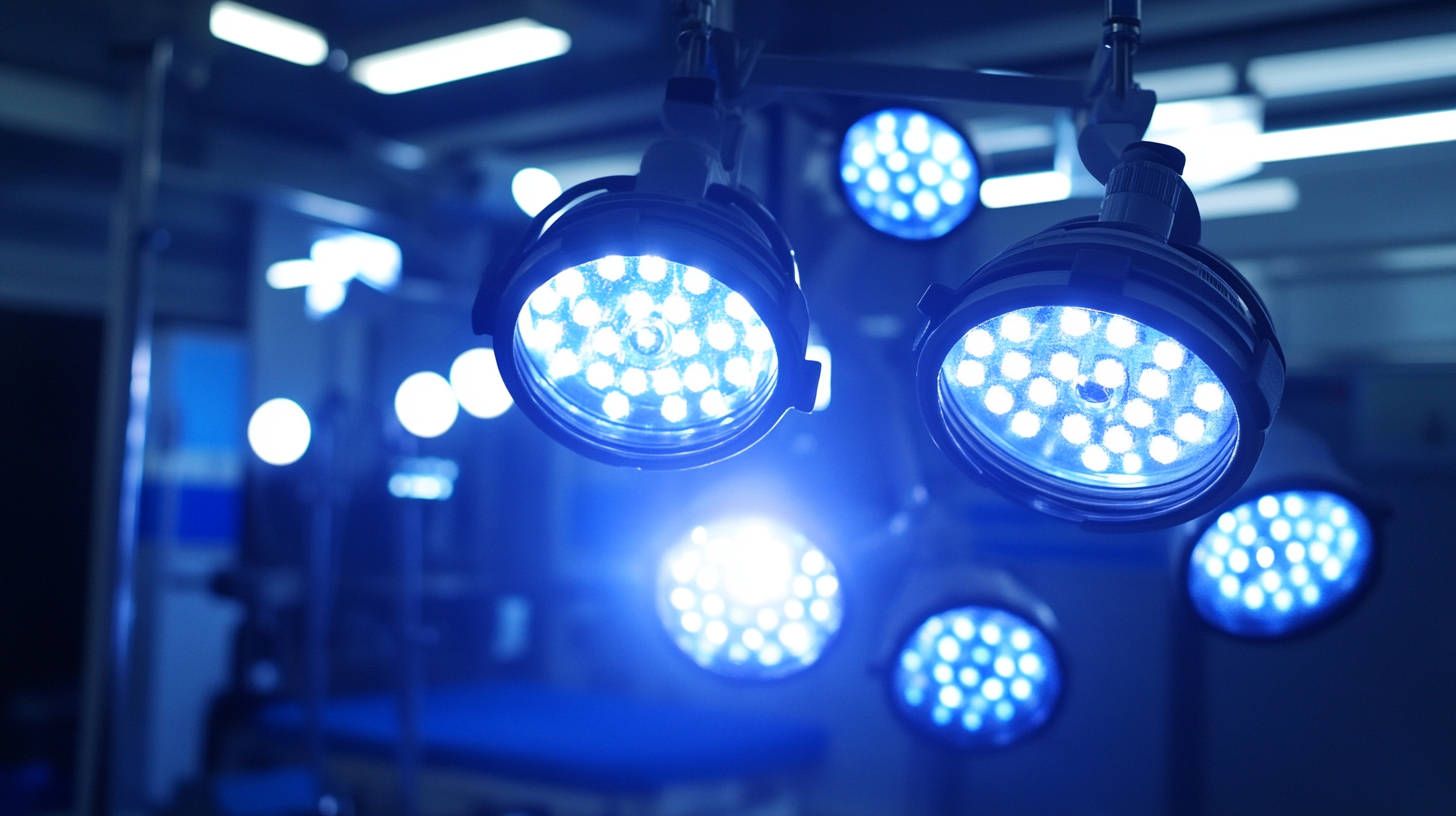 When you're picking out LED lights for those emergency situations, there are two super important things you’ve got to keep in mind: brightness and color temperature. So, brightness, which is measured in lumens, is basically how well a light can light up a space. It’s crucial to have enough brightness in emergencies to make sure you can see and stay safe. For everyday use, you’re looking at lights that offer around 800 to 1,200 lumens at a minimum. But if you’re dealing with a bigger outdoor area or a more serious emergency, you might want to go for something more powerful—like 2,000 lumens or even higher—to really light things up.
Now, about color temperature—this one's measured in Kelvin (K) and totally changes the vibe of the light. Cooler tones (above 5000K) give you that bluish-white look, kind of like daylight, which can be great for keeping you alert and visible when things get dark. On the flip side, warmer tones (below 3000K) throw off a yellowish hue that might not be the best if you need to focus on important tasks. That’s why, when you’re shopping for LED lights for emergencies, it’s smart to consider ones that let you adjust the color temperature. This way, you can switch things up based on what you need—totally makes your lighting solutions way more effective and reliable when it counts the most.
The Role of Battery Life and Durability in Emergency LED Selection
When you're picking out LED lights for emergencies, there are two big things to keep in mind: battery life and how tough they are. Did you know that about 80% of fire-related deaths happen in homes that don’t have a working smoke detector? Yeah, it really shows how crucial it is to have reliable LED lighting that keeps shining even when the power goes out. Lots of good-quality emergency LED lights can last anywhere from 6 to a whopping 24 hours on a single charge, so you won’t be left in the dark when you need it most.
And then there's durability—super important, especially when you’re dealing with unpredictable situations. Some research from the Lighting Research Center found that LED lights built to be tough can handle all kinds of crazy conditions, like extreme temperatures and rough impacts, which you might face during an emergency. So, when you're shopping, look for lights with an IP65 rating or better; these guys are designed to withstand dust and water, giving you peace of mind that they’ll be reliable when it counts. Knowing all this makes it easier to pick out emergency lights that are not just effective but also totally dependable.
Popular Types of LED Lights for Various Emergency Applications
Choosing the right LED lights for emergency situations can feel a bit overwhelming, but getting to know the different types and how they work is super important. A report from the National Fire Protection Association reveals that a whopping 70% of fire incidents happen in homes. This really underscores why we need dependable emergency lighting, right? High-intensity LED floodlights are fantastic for these kinds of scenarios. They give off super bright light and can illuminate large spaces, which is especially handy during evacuations or those annoying power outages we all dread.
And then there are portable LED work lights. They've really taken off among emergency responders lately! OSHA, that’s the Occupational Safety and Health Administration, really drives home how critical proper lighting is in risky environments. Plus, portable LEDs are so versatile and easy to handle. You can move them around and set them up just where you need them, making sure that emergency crews have all the light they need when things get hectic. With new battery tech, many of these lights even last longer now, which is a real lifesaver during those crucial moments.
Budget Considerations and Long-term Cost Benefits of LED Lights
So, when you’re thinking about getting LED lights for those emergency situations, your budget is definitely something to keep in mind. Sure, at first glance, LED tech might seem pricier than the usual incandescent or fluorescent options. But trust me, when you look at the long-term savings, it’s totally worth it! LEDs use way less energy, which means your electricity bills are gonna be a lot lighter on your wallet over time. If you're watching your spending, this makes them a solid pick.
**Tip 1:** Keep an eye out for LED lights that have a high lumens-per-watt ratio. This way, you'll get maximum brightness without using tons of energy, and you’ll also make those bulbs last longer, which is super important for emergencies.
And hey, did you know that most LED lights can last up to 25,000 hours or even more? That’s a crazy long time! Fewer replacements mean less waste, which is great for the environment and keeps your costs down in the long run.
**Tip 2:** Make sure to check out the warranty options when you pick out your LED lights. A good warranty can give you peace of mind, knowing that you’re covered in case something goes wrong. It’s just another way to make sure you get the best bang for your buck down the line.
How to Choose the Best LED Lights for Emergency Situations
| Dimension | Description | Initial Cost ($) | Annual Energy Cost ($) | Lifespan (hours) | Long-term Cost Benefits ($) |
| Brightness | Measured in lumens to ensure adequate lighting during emergencies. | 50 | 12 | 25,000 | 200 |
| Power Consumption | Energy usage efficiency indicated in watts. | 35 | 10 | 20,000 | 150 |
| Durability | Rated for impact resistance and weatherproof abilities. | 75 | 15 | 30,000 | 300 |
| Color Temperature | Measured in Kelvin to ensure appropriate light color for visibility. | 60 | 14 | 15,000 | 170 |
Maximizing Energy Efficiency: Insights from the 2023 Energy Star Report on 370 Bulkhead Type LED Luminaries
In the quest for maximizing energy efficiency, insights from the 2023 Energy Star Report highlight the growing importance of innovative lighting solutions. Among these, the C370 Surface Mounted Single Lighting Rectangular Light stands out as a compelling choice for both commercial and residential applications. This versatile LED luminaire is specifically designed to meet all-day lighting needs while minimizing energy consumption.
The C370's key features include a maintenance-free design and low-energy operation, making it an ideal solution for those looking to reduce their carbon footprint without compromising on lighting quality. Its high-power LED lamps are complemented by an optimized die-cast aluminum housing and diffuser design, ensuring exceptional lighting performance and reliability. Additionally, the intelligent brightness adjustment feature allows for more efficient energy use, adapting to the needs of the environment and providing consistent illumination.
By integrating such advanced lighting solutions into our spaces, we not only enhance aesthetic appeal but also contribute to a more sustainable future. The insights from the Energy Star Report reinforce the idea that efficient lighting is not just a trend but a necessity in our efforts to conserve energy and protect the environment.
FAQS
: LED lights are preferred due to their brightness, longevity, and energy efficiency, providing immediate illumination during blackouts or disasters.
LED lights are durable, weather-resistant, and often come with features like strobe functions or adjustable brightness, which enhance their effectiveness in emergencies.
Choose LED lights by considering industry standards like IES for brightness and efficacy, and NFPA regulations for operation under adverse conditions.
The IES standards provide guidelines for light output, efficacy, and energy consumption, ensuring that LED lights have appropriate brightness levels for emergency scenarios.
NFPA regulations outline requirements for emergency lighting systems, focusing on operational capabilities under adverse conditions, such as temperature resistance and battery backup.
UL certification indicates that LED lights have undergone rigorous testing for durability and brightness, assuring users of their reliability in emergencies.
Understanding and selecting the right LED lights can significantly enhance preparedness and response strategies, ensuring effective handling of crises.
LED lights generally have low maintenance needs due to their durability, making them an ideal choice for emergency situations.
Yes, many LED lights feature strobe functions or adjustable brightness, which can effectively signal for help or attract attention in emergency situations.
Minimum illumination requirements can vary based on the scenario but are dictated by compliance with IES and NFPA standards to ensure safe evacuation routes.



 Phone
 Send Email
 whatsapp