When it comes to workplace safety, you really can’t underestimate how important proper Emergency Exit Lights are. I mean, the National Fire Protection Association (NFPA) reports that there are about 3,400 fires in commercial buildings every year—that’s a huge deal. Having clear, working exit lights can make all the difference in keeping everyone safe when it matters most. 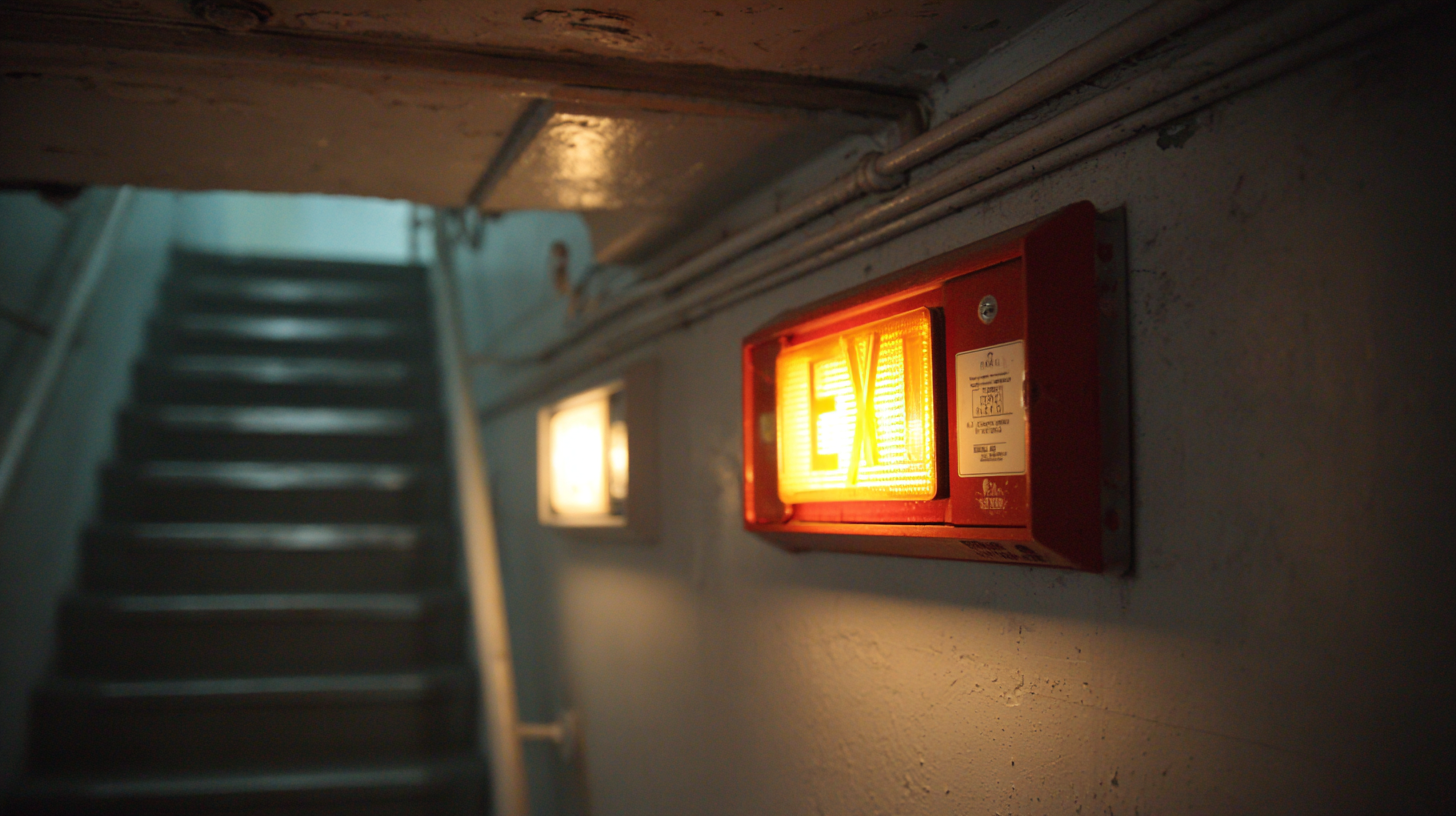 Foshan Kaili Lighting Technology Co., Ltd., which started back in 2004, has been leading the way in China when it comes to emergency and eco-friendly lighting solutions. They’ve got decades of experience and solid R&D skills to back it up. With safety regulations always evolving, it’s super important for businesses to stay compliant. This checklist I’ve put together should help you evaluate your Emergency Exit Lights—making sure your team stays safe and your business ticks all the boxes legally.
Checklist Overview: Why Emergency Exit Lights Are Critical for Workplace Safety Compliance
Emergency exit lightsreally make a difference when it comes to keeping workplaces safe and compliant. I mean, according to the National Fire Protection Association (NFPA), having proper Emergency Lighting isn’t just a nice-to-have — it can actually cut down evacuation times during an emergency. Some studies even show that well-lit pathways can speed up evacuations by up to20%! On the flip side, if the signage and lighting are lacking, it can create confusion, panic, and chaos—especially when things are stressful, like during a fire. OSHA rules say that all exit routes need to be lit up, so those lights aren’t just optional extras—they’re essential for staying on the right side of safety regulations.
When you're setting up emergency exit lighting, here are a few things to keep in mind:
- First, make it a habit to check regularly that all the lights are working and in the right spots. The Illuminating Engineering Society (IES) suggests that exit signs should be visible from at least 100 feet in normal conditions—so placement really matters.
- Second, set up a maintenance schedule and test your backup batteries often to make sure everything will work even if the main power's out.
- And don’t forget — it’s super important to train your team on evacuation procedures and make sure everyone knows where the emergency exits are.
Being aware and prepared can really make a difference in actually staying safe when it counts. Having a solid plan not only helps you stick to the rules but also boosts overall safety at the workplace.
Key Regulatory Standards: Navigating OSHA and NFPA Requirements for Emergency Lighting
Emergency lighting is crucial for workplace safety, particularly regarding compliance with OSHA and NFPA standards. Understanding these regulatory requirements can be complex, but adherence ensures not only legal compliance but also the safety of employees and visitors. OSHA emphasizes the need for proper emergency exit lighting to guide individuals during evacuations, which is fundamental in minimizing panic and chaos in emergencies. NFPA standards complement this by detailing the specifications for the installation, maintenance, and performance of emergency lighting systems.

Tips for Compliance:
1. Regularly inspect and test emergency lights: Ensure that your emergency lighting fixtures are functioning correctly by conducting routine tests. This should include checking battery backups and ensuring bulbs are operational, as specified by OSHA guidelines.
2. Follow installation guidelines: When installing emergency lights, adhere to NFPA regulations regarding placement and design. Properly positioned lights should be clearly visible, especially in areas with high foot traffic and potential hazards.
3. Train employees on emergency procedures: Ensure all workers are familiar with the location of emergency exits and understand the function of exit lights. Conducting regular drills can reinforce this knowledge, making it second nature in the event of an emergency.
Technical Specifications: Ideal Brightness Levels and Fixture Types for Exit Signs
When it comes to keeping our workplaces safe, getting the right specs for emergency exit lights is super important. The National Fire Protection Association (NFPA) recommends that exit signs should shine with at least 5 foot-candles of brightness right at the exit level. Basically, you want those signs to be super clear and easy to see, especially in a panic or power outage, so folks can find their way out without stressing. Plus, the Illuminating Engineering Society (IES) suggests adding glow-in-the-dark, or photoluminescent, materials to these signs—this is especially handy when the lights are really low or if the power’s out for a bit.
Now, it’s not just about brightness—what kind of fixtures you choose really makes a difference. According to a report from the U.S. Department of Energy, LED exit signs use about 90% less energy than the old-school incandescent ones. They last way longer, too—around 25,000 hours compared to just 1,000 hours for the traditional bulbs. Switching to LEDs isn’t just good for the environment, but it also means you save money on maintenance since you don’t have to replace bulbs as often. Bottom line: organizations should really pay attention to these technical details. Following the rules isn’t just about avoiding fines; it’s about creating a safer space for everyone, all while cutting costs in the long run.
Maintenance Protocols: Frequency and Procedures for Testing Exit Lights to Ensure Functionality
Keeping emergency exit lights in good shape is super important for workplace safety and making sure you're following the rules. Having a clear plan for maintenance isn’t just about ticking boxes legally—it’s about making sure those lights actually work when it counts. Usually, it’s a good idea to do a quick visual check every month, and then do a full test of everything at least once a year. During these checks, take a close look for any damage, make sure the bulbs are good, and double-check that the backup batteries are ready to go if needed.
Also, it’s really helpful to have a simple, consistent way to record what you do during each maintenance session. Keeping track of which tests you’ve run, repairs you’ve made, or parts you’ve replaced isn’t just bureaucratic – it helps you stay on top of safety requirements and spot any patterns that might suggest a bigger issue. Plus, making sure the team responsible for maintenance knows these procedures will go a long way in keeping those exit lights reliable and safe, so they’re always ready to do their job when you need them most.
Training Employees: Importance of Emergency Exit Light Awareness in Workplace Safety Drills
You know, in today’s world of workplace safety, the importance of making sure employees are actually trained on emergency exit lights really can’t be overstated. I mean, according to the National Fire Protection Association (NFPA), nearly 3,000 fires break out in non-residential buildings every year—that’s a ton of risk, and it just shows why having solid evacuation plans is so critical. Those emergency exit lights aren’t just there for decoration—they’re key in helping folks find their way out safely during a crisis. But here’s the thing: studies show that only about 46% of employees have actually gone through fire drills that focus on these lights. That’s pretty concerning, and it really points to the need for better, more comprehensive training programs.
Getting employees involved in hands-on drills is super important—not just to help them learn what to do, but also to make sure everyone actually remembers how to respond. OSHA requires workplaces to have clear evacuation procedures, and that includes making sure emergency exit lights are working and easy to see. Adding some situational awareness training centered around these exit systems can seriously cut down response times when it really matters. If we take the time to properly educate staff about why these lights matter and how to operate them, companies can create a safer environment and be better prepared for emergencies. It’s all about making safety feel less like a rule on paper and more like a shared priority everyone truly understands.
Essential Emergency Exit Lights Checklist Compliance Statistics
This bar chart illustrates the compliance rates for various emergency exit light checklist items in workplaces. Regular inspections and light functionality tests show the highest compliance rates, highlighting the importance of these practices in ensuring workplace safety during emergencies.
Data Insights: Analyzing Incident Reports to Understand Emergency Exit Light Failures
Hey, did you hear about the recent stats from the Bureau of Fire Protection? Apparently, fires shot up by about 40% last April. Crazy, right? That’s why it’s super important to really understand how crucial emergency exit lights are. When those lights fail during an emergency, it can make things way worse for everyone involved. Turns out, over 60% of the issues with emergency lighting happen because the batteries aren’t performing well—especially in places where folks aren’t checking them regularly. This is especially a big deal in workplaces, where making sure safety standards are actually met depends a lot on emergency lights working properly.
So, if you’re managing a facility, it’s a good idea to stick to a checklist that covers all the basics of emergency exit lights—things like the type of batteries used, the kind of light source, and running regular tests to make sure everything’s in working order. For example, switching to LED lights can really help, since they last longer and use less energy compared to the old-school bulbs. Doing regular checks really pays off—data shows workplaces that do monthly inspections see about 25% fewer lighting failures during emergencies.
Here are some tips to keep those emergency lights reliable: First, set up a routine inspection schedule. Second, go for high-quality lights that are proven to perform well. And third, make sure your team knows why visible escape routes matter and train them on what to do during an emergency. By doing these simple things, organizations can beef up their emergency prep and keep everyone safer. After all, prevention is better than cure, right?
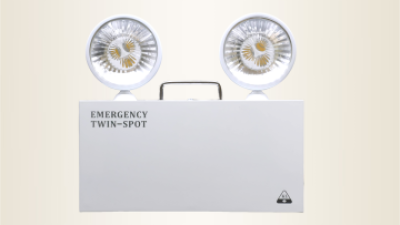
Enhancing Safety with 2x3w Surface Mounted LED Twin-Spot Emergency Lights: Insights from the Latest Industry Reports on Emergency Lighting Solutions
In the realm of emergency lighting solutions, the importance of reliability and efficiency cannot be overstated. The latest industry reports highlight the significant advancements in LED technology, particularly with products like the 2x3w Surface Mounted LED Twin-Spot Emergency Lights. These modern fixtures are designed not only for functionality but also for style, making them an attractive addition to any environment. By leveraging cutting-edge features, these emergency lights enhance safety by providing bright, effective illumination during power outages.
Among the noteworthy options on the market is the S290Y220L1206-10C2, an exceptional 12V wall-mounted emergency lighting fixture. This high-performance device stands out due to its sleek design and outstanding features, ensuring that your space remains well-lit even in the darkest moments. Suitable for both residential and commercial settings, the S290Y220L1206-10C2 offers peace of mind. Its advanced technology ensures reliability, allowing you to navigate through unexpected blackouts safely. Investing in quality emergency lighting like the S290Y220L1206-10C2 not only enhances safety but also elevates the overall aesthetic of your space.
FAQS
: Emergency exit lights are crucial for workplace safety compliance as they minimize evacuation time during crises and can enhance evacuation efficiency by up to 20%.
OSHA and NFPA require proper emergency exit lighting to guide individuals during evacuations, stipulating installation, maintenance, and performance specifications for lighting systems.
Emergency exit lights should be regularly inspected and tested to ensure functionality, including checks on battery backups and the operation of bulbs.
Exit signs should maintain a minimum brightness level of 5 foot-candles at the level of the exits, as recommended by the NFPA, to ensure visibility during emergencies.
LED exit signs are recommended as they consume 90% less energy than traditional incandescent bulbs and have a longer operational lifespan of about 25,000 hours.
Employees should be trained on emergency procedures, familiar with the location of exits, and participate in regular drills to reinforce evacuation knowledge.
Proper placement of exit signs is key to visibility; they should be clearly visible from at least 100 feet in normal conditions, especially in high-traffic areas.
Integrating photoluminescent materials into exit signs can enhance their visibility, particularly in low-light conditions.
Compliance with emergency lighting standards not only fulfills legal obligations but significantly improves the safety of employees and visitors during emergencies.
A maintenance schedule should include regular testing of backup battery systems and functionality checks of all emergency lighting fixtures.
Conclusion
Emergency exit lights are a super important part of keeping workplaces safe and compliant. They make sure everyone can find their way out quickly and easily if things go wrong. In this post, I’ll walk you through the key points about emergency exit lighting — like the main standards from OSHA and NFPA that set the rules for brightness levels and what kinds of fixtures you should use.
But it’s not just about installing the lights; regular upkeep is a must. We’re talking scheduled testing and maintenance to make sure they’re always working when you need them. Plus, training employees on how to recognize and use these exit lights is a game-changer — it’s a crucial part of safety drills and keeping everyone prepared.
Looking into incident reports can also give us some pretty eye-opening insights into where things sometimes go wrong with emergency lighting. This helps us improve safety measures overall. Foshan Kaili Lighting Technology Co., Ltd. has been leading the way in providing solid emergency lighting solutions, backed by years of experience in research, development, and manufacturing — all aimed at keeping workplaces safe and sound.








 Phone
 Send Email
 whatsapp