Leave Your Message
Online Inuiry
kl-internationalWhatsApp
StewardAllesGuteWeChat
General Lighting
0%

So, have you noticed how energy-efficient tech has really been changing the game? One of the coolest innovations in the lighting world is the Lighting Inverter. I read somewhere that, according to Global Industry Analysts, the global market for these gadgets is expected to hit around 19 billion bucks by 2028. Pretty wild, huh? That kind of growth really shows just how much people are craving smarter, more sustainable lighting solutions. John Smith from BrightTech Solutions put it best when he said, “Lighting inverters are totally changing the way we use electricity for lighting—they make everything more efficient and reliable.”

Basically, these inverters work by converting direct current (DC) into alternating current (AC), which helps LED lighting run smoother and more efficiently. They cut down on wasted energy and can boost the overall output, which is pretty great. But, of course, it’s not all smooth sailing—there are some hurdles. For example, making sure they’re compatible with different kinds of LED setups can be tricky, and honestly, the upfront cost might make some folks hesitate a bit. That’s something to think about if you’re considering making the switch.

All in all, lighting inverters are pretty vital for modern lighting tech. They represent innovation at its best—saving energy, promoting sustainability, and all that good stuff. As the market keeps evolving, understanding how these devices work will be super helpful for anyone looking to get the most out of a Led Lighting Inverter."
What is a Lighting Inverter and How Does It Work?

What is a Lighting Inverter?

A Lighting Inverter is a vital device that converts direct current (DC) into alternating current (AC) to power lighting systems. These inverters allow systems that rely on batteries or solar panels to function efficiently with traditional AC lighting. According to a recent report by the International Energy Agency, the global market for inverters is projected to reach $18 billion by 2025. This growth is driven by the increasing shift towards renewable energy sources and energy-efficient lighting solutions.

The design of a Lighting Inverter typically includes components like filters and transformers. These components ensure the output is steady and reliable. However, not all inverters perform equally. Some may produce increased harmonic distortion, leading to inefficiencies or malfunctioning lights. Reflecting on this, it is essential to monitor and test the output regularly.

Tip: When selecting a Lighting Inverter, consider its efficiency rating. Aim for models with an efficiency of 95% or higher. This will ensure better energy savings and performance. Additionally, check for certifications that confirm compliance with safety standards. Always prioritize quality and warranty when choosing a unit, as it could save money in the long run.

The Role of Lighting Inverters in Power Systems

What is a Lighting Inverter and How Does It Work?

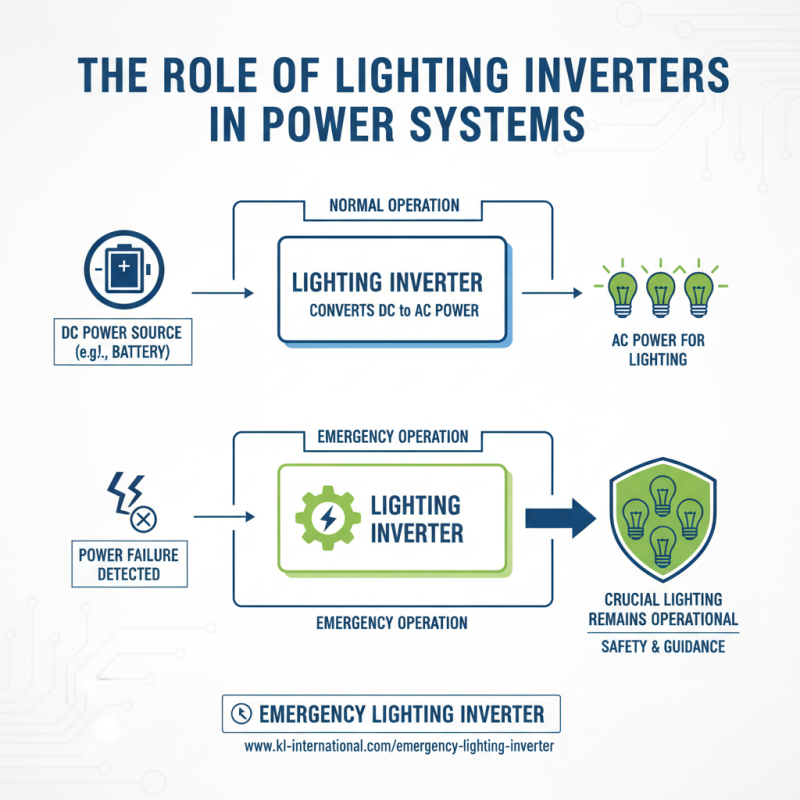
Lighting inverters play a crucial role in power systems. They convert direct current (DC) from sources like batteries into alternating current (AC) for lighting. This conversion ensures that lights function efficiently in emergencies. An Emergency Lighting Inverter is designed specifically for situations where power failure occurs. This unit guarantees that crucial lighting remains operational, providing safety and guidance.

Power systems rely on lighting inverters to maintain continuous illumination. They serve as a backup, crucial during outages. Without them, safety could be compromised in commercial and residential settings. Regular testing and maintenance of these systems can sometimes be overlooked. This is a concern. Proper functionality is essential to prevent accidents and ensure reliability.

Moreover, understanding how these inverters work is important. Some users may not realize the complexity involved. It’s vital to recognize that improper use or neglect can lead to failures. Best practices must be adopted. This guarantees that the inverters perform well when needed. Being informed and proactive is key in ensuring the safe operation of lighting systems when the power goes out.

How Lighting Inverters Convert DC to AC Power

Lighting inverters play a crucial role in converting direct current (DC) from renewable energy sources into alternating current (AC) power, which is essential for most lighting systems. These devices utilize a process called pulse width modulation (PWM) to create an oscillating waveform. This technology allows a seamless transition from DC to AC, ensuring that the power supplied meets the voltage and frequency requirements of various lighting applications.

Research indicates that the global inverter market is projected to reach $17 billion by 2027, emphasizing the growing importance of efficient power conversion solutions. The shift towards energy-efficient lighting systems, such as LEDs, is a significant driver in this industry. These advanced lighting systems often require inverters that can handle varying loads and fluctuating input voltages.

**Tips**: Ensure regular maintenance of your lighting inverter for optimal performance. This can help prevent issues that lead to Inverter Emergency situations. Always monitor power outputs and be aware of any unusual fluctuations. Having a backup procedure in place can safeguard against potential failures.

Key Components of a Lighting Inverter

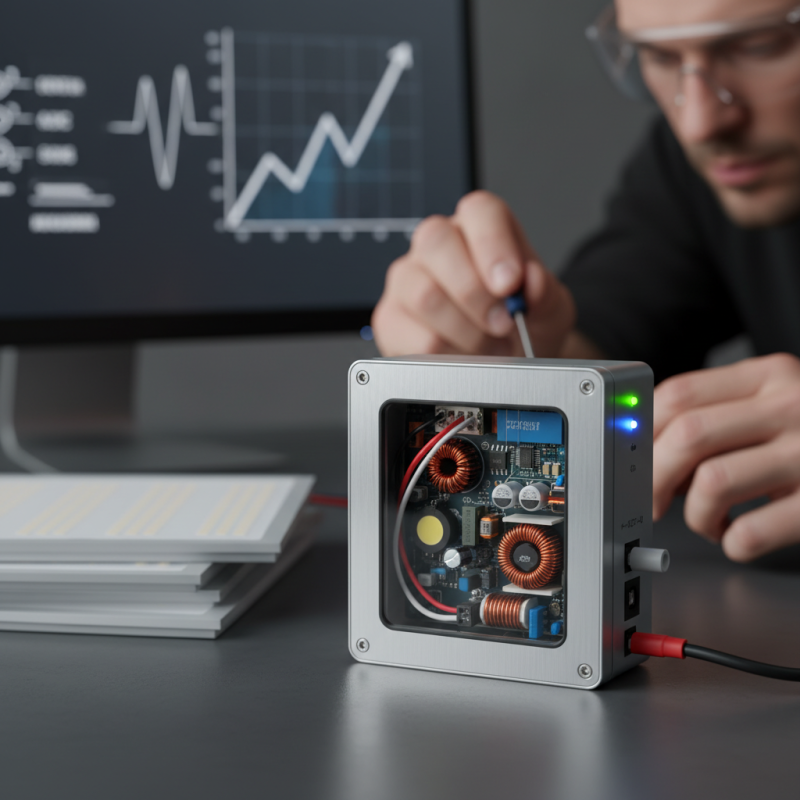
A lighting inverter is crucial for converting direct current (DC) to alternating current (AC). Its main components work together to create efficient lighting solutions. One key part is the inverter itself, which operates as the central unit. It regulates voltage levels and ensures an even flow of electricity to the lighting fixtures.

Another important component is the control circuitry. This part of the inverter manages the system's performance. It helps to protect against overloads and maintains operational stability. Additionally, the transformer plays a vital role in stepping up the voltage, providing the necessary power for effective lighting.

Also, consider the housing of the inverter. It protects internal components from damage. A robust design can resist moisture and temperature variations. Remember, the reliability of each component affects the overall system performance. Some systems may experience inefficiencies or failures, reminding users of the importance of regular maintenance and checks.

Benefits of Using a Lighting Inverter

A lighting inverter is a device that converts direct current (DC) into alternating current (AC). This process allows lighting systems to function efficiently. Many homes and businesses use this technology to enhance their energy management.

One significant benefit of using a lighting inverter is energy efficiency. These devices optimize power usage, reducing electricity bills. They can also improve the longevity of lighting fixtures. By providing a stable power supply, the risk of flickering lights decreases. This increases comfort in workplaces and homes.

Moreover, lighting inverters contribute to environmental sustainability. By lowering energy consumption, they help reduce carbon footprints. However, awareness of the right inverter specifications is crucial. Not every inverter suits every lighting setup. Users must evaluate their needs carefully. There's also a learning curve associated with proper installation and maintenance. Embracing this technology does come with challenges.

Common Applications of Lighting Inverters

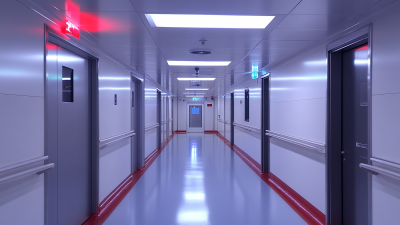
Lighting inverters play an essential role in various applications, from residential settings to commercial environments. In industries like hospitality or healthcare, lighting inverters provide emergency backup for essential lighting systems. This ensures safety during power outages or emergencies. Emergency Inverters automatically switch on when the primary power source fails, illuminating paths and exits.

Another common application is in urban settings. Streetlights often rely on lighting inverters for consistent illumination. During power interruptions, these inverters kick in, ensuring public safety. Additionally, they can power decorative or functional lights in public parks. This is crucial for creating safe and inviting spaces after dark.

Tips: When selecting an inverter, check the power ratings. You want to ensure your inverter can handle the load. It's also wise to consider the location where the inverter will be installed. Is it exposed to moisture? Choose an inverter with suitable weatherproofing. Regular maintenance checks can prevent failures during crucial times. Evaluate your inverter's performance regularly to make necessary adjustments. Always keep essential spare parts handy for emergencies.

Common Applications of Lighting Inverters

Maintenance and Troubleshooting Tips for Lighting Inverters

What is a Lighting Inverter and How Does It Work?

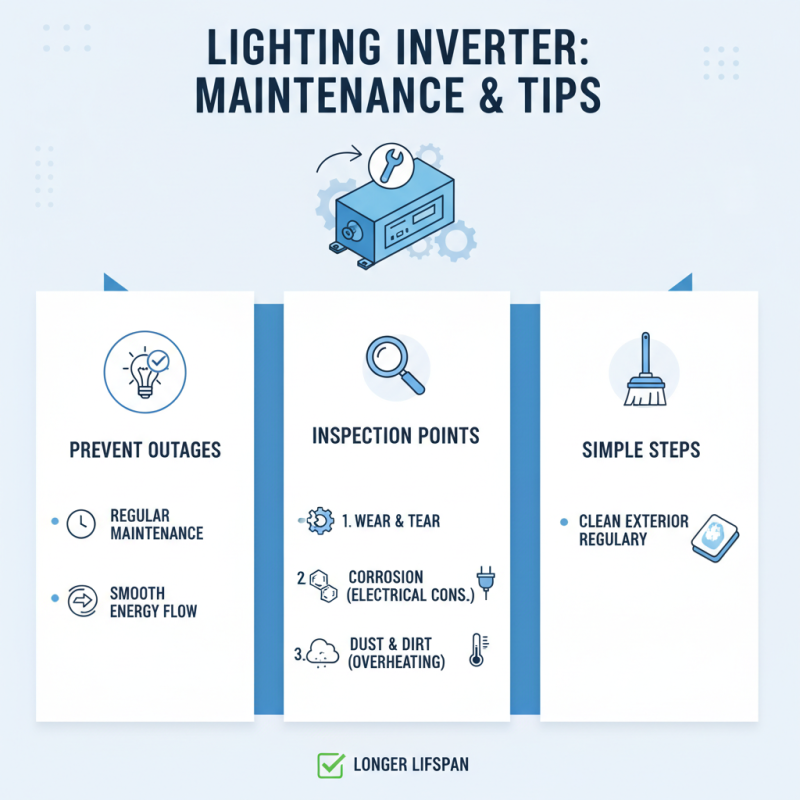
Lighting inverters are crucial in managing energy flow. It’s important to keep them running smoothly. Regular maintenance can prevent issues that cause outages. Inspect the inverter for any signs of wear and tear. Look for corrosion around electrical connections. Dust and dirt can also accumulate, leading to overheating. Cleaning dust off the exterior regularly is a simple yet effective step.

When troubleshooting, be observant. If the inverter shows warning lights, check the manual for specific error codes. Sometimes, a simple reboot can resolve minor glitches. If problems persist, test the input power. Ensure that your power source is stable. Overvoltage or undervoltage issues can affect performance. Don't overlook the importance of proper ventilation. Inadequate airflow can lead to overheating, potentially damaging the unit.

If you notice frequent problems, consider consulting an expert. They can provide insights based on experience. Regular reviews of inverter performance can highlight recurring issues. Over time, this data will guide better maintenance strategies. Remember, proactive measures often save time and money in the long run.

Enhancing Safety: The Importance and Benefits of the 350 Integration Emergency Lighting Power Supply Box (DC220V)

In today’s fast-paced world, ensuring safety during power outages is a critical concern for both residential and commercial spaces. The Integrated Emergency Power Supply Box, specifically designed to deliver a DC220V output, serves as a reliable solution for maintaining critical lighting systems when the grid fails. Recent studies indicate that well-designed Emergency Lighting systems can significantly reduce the risk of accidents during emergencies, showcasing the importance of properly functioning backup power sources.

The integration of an emergency lighting power supply box enhances overall safety by ensuring that LED loads remain operational during unexpected blackouts. Reports suggest that environments equipped with adequate emergency lighting experience a 20% decrease in emergency-related incidents, underscoring the necessity of having a dependable power supply system. This integration not only streamlines the power management process but also accommodates a variety of settings, from homes to industrial facilities, making it a versatile choice for enhancing safety.

Moreover, the compact design of the Integrated Emergency Power Supply Box allows for easy installation and seamless integration with existing power systems. As organizations increasingly prioritize safety and compliance with regulatory standards, investing in innovative emergency power solutions becomes imperative. The ability to maintain operations without disruption during emergencies can lead to improved safety outcomes and peace of mind for users.

FAQS

: What is a Lighting Inverter?

: A Lighting Inverter converts direct current (DC) to alternating current (AC) for lighting systems. It is essential for energy efficiency.

What are the components of a Lighting Inverter?

Lighting Inverters usually include filters and transformers. These components ensure steady and reliable output for lighting systems.

How can I choose a reliable Lighting Inverter?

Look for models with an efficiency rating of 95% or higher. Certifications and warranty are also important to consider.

Where are Lighting Inverters commonly used?

They are used in residential, commercial, and public spaces. For example, streetlights and emergency systems rely on them for safety.

What maintenance do Lighting Inverters require?

Regular inspections and cleanings can prevent issues. Check for corrosion and dust around connections to avoid overheating.

What should I do if my Lighting Inverter shows warning lights?

Refer to the manual for error codes. A reboot may help, but check the power source if problems continue.

Why is proper ventilation important for Lighting Inverters?

Inadequate airflow can cause overheating. Without ventilation, the unit may be damaged, leading to system failures.

How can I ensure my Lighting Inverter handles the load?

Always check the power ratings when selecting an inverter. Make sure it fits the requirements of your specific lighting system.

What are the signs of a malfunctioning Lighting Inverter?

Frequent warning lights and unstable output indicate issues. Regular performance reviews can help identify recurring problems.

How can I improve the longevity of my Lighting Inverter?

Regular maintenance and monitoring performance can extend its lifespan. Keeping spare parts handy for emergencies is also wise.

Conclusion

A Lighting Inverter is a crucial component in power systems, designed to convert direct current (DC) electricity into alternating current (AC) power, which is essential for most lighting applications. It plays a significant role in ensuring that lighting systems operate efficiently, providing stable power while optimizing performance. The key components of a Lighting Inverter include inverters, transformers, and control systems, all of which work together to facilitate this conversion process.

Utilizing a Lighting Inverter brings numerous benefits, such as improved energy efficiency, reduced power loss, and enhanced lighting quality. Common applications include residential lighting, commercial spaces, and public infrastructures. To ensure optimal performance, regular maintenance and troubleshooting are essential, enabling users to address any issues that may arise swiftly. Overall, understanding the functionality and advantages of a Lighting Inverter can significantly impact the effectiveness of lighting setups.
Oliver

Oliver

Oliver is a dedicated marketing professional at Foshan Kaili Lighting Technology Co., Ltd., a pioneering enterprise in the field of emergency and green lighting since its establishment in 2004. With a wealth of experience accumulated over the years, Oliver has developed a profound expertise in the......
Previous 2026 Best Led Downlight Options for Global Buyers?