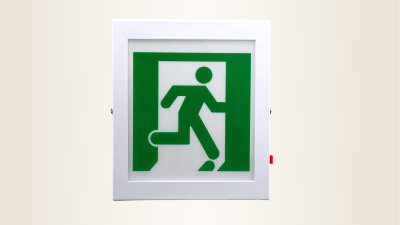
These days, with how quickly things are changing in safety compliance, finding new and better alternatives to the old-school Exit Sign Boxes has really become a top priority. Here atFoshan Kaili Lighting Technology Co., Ltd., we’ve been passionate about pushing the boundaries of emergency and eco-friendly lighting since we got started back in 2004. With all our experience and solid R&D team, we’re in a great spot to come up with fresh, innovative designs and tech that make places safer and easier to see in emergencies.
As we dig into the details of exit sign box specs, we just want to stress how important it is to add smart features that don’t just meet safety rules but also make everything work better and more efficiently. Stick with us as we talk about what’s coming next for exit sign boxes and why they’re so crucial when it comes to protecting lives during emergencies.
Innovative Technologies in Exit Sign Design for Enhanced Safety Compliance
In today’s fast-changing world of safety, the way we design and use Exit Signs really matters—it's all about making sure everyone stays safe and things stay compliant, no matter where you are. Thanks to new tech, those simple exit sign boxes are turning into smarter, more interactive safety tools. For example, using LED lights doesn’t just save energy; it also makes the signs much brighter, which means folks can find their way out more easily during an emergency. Plus, with smart sensors, these signs can automatically brighten up based on how much light’s around or even send an alert to emergency services if something’s up.
And here’s a little tip: look for exit signs that have backup batteries built in. That way, even if the power goes out, the signs keep working—peace of mind for everyone, no matter the situation.
On top of that, the latest digital signage tech lets you update messages on the fly, which can be super handy during a crisis. These digital signs can show real-time instructions, helping people find the safest routes quickly, even if a building layout changes. It’s pretty neat.
Another tip—make a habit of checking and updating your exit signs during safety drills. This way, everyone gets familiar with the procedures, and you stay on top of local safety rules. Being proactive like this not only keeps people safe but helps build a culture of preparedness within your team. It’s all about staying ready and making safety part of the everyday routine.
Regulatory Standards: Understanding ANSI and OSHA Requirements for Exit Signs
Getting a good grasp on the rules around exit signs isn’t just nerdy compliance stuff—it's actually pretty important for keeping everyone safe. You know, the folks at ANSI and OSHA have these guidelines about how exit signs should look and where they should be placed. And honestly, it’s not just bureaucratic red tape; it’s all about saving lives. When you’re in a pinch, you want those signs to be clear and easy to spot, so people can get out quickly without panic. Following these rules helps cut down on accidents and confusion during evacuations, especially since good visibility makes all the difference.
Lately, there’s been a lot of talk about staying on top of safety standards. The world is changing pretty fast—tech is advancing, and workplaces are evolving—so safety rules can’t stay static either. For example, letting in newer stuff like wireless emergency stop systems shows how regulations are adapting to modern ways of working, without losing sight of safety. If businesses keep up with these updates, they’re not just ticking boxes—they’re actually building a strong safety culture that’s good for everyone: employees, customers, you name it. Bottom line? Staying informed and flexible helps keep the workplace safer for everyone involved.
The Role of LED Lighting in Improving Visibility of Exit Signs
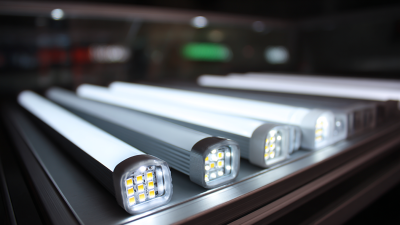
When it comes to safety, making sure exit signs are clearly visible is a total must—especially in an emergency. And honestly, LED lighting plays such a big role in making that happen. They’re brighter, more energy-efficient, and just way more reliable than your old-school lights. Plus, LEDs last a long time and don’t need a lot of upkeep, so they’re perfect for both commercial spaces and homes alike. Unlike the traditional bulbs that tend to dim over time, LEDs keep shining bright, so your exit signs stay visible even if the power goes out or the conditions get tricky.
Here at Foshan Kaili Lighting Technology Co., Ltd., we’ve been all about emergency and eco-friendly lighting since we started back in 2004. Over the years, we’ve gained loads of experience and are pretty passionate about creating innovative lighting solutions that hit the highest safety standards. Our top-notch R&D team is always working on new tech to develop Led Exit Signs that not only meet all the safety regs but also offer superior visibility and dependability. By combining the latest technology with eco-conscious practices, we’re really committed to boosting safety standards and making emergency lighting more effective for everyone.
Exploring Innovative Alternatives for the Best Exit Sign Box in Safety Compliance - The Role of LED Lighting in Improving Visibility of Exit Signs
| Dimension | Conventional Sign | LED Sign | Visibility (meters) | Energy Consumption (W) | Lifespan (hours) |
| Brightness | 300 cd/m² | 1000 cd/m² | 30 | 15 | 50,000 |
| Weight | 2.5 kg | 1.0 kg | 30 | 15 | 50,000 |
| Material | Plastic | Aluminum/Polycarbonate | 30 | 15 | 50,000 |
| Mounting Options | Wall mount only | Wall and ceiling mount | 30 | 15 | 50,000 |
Eco-Friendly Materials and Their Impact on Exit Sign Sustainability
So, these days, there's definitely a shift happening towards using eco-friendly materials for exit signs, and it's pretty exciting. Companies and regulators are really pushing for sustainability in safety stuff, which is great to see. Some of the coolest innovations include using photoluminescent materials—basically, glow-in-the-dark stuff—that mean we get exit signs that don’t need much maintenance at all. Not only do they tick all the safety boxes, but they also cut down on environmental impact. Lately, we've seen approvals for new exit signs made from these eco-friendly materials, which really points to a bigger trend—industry folks are moving towards greener, more sustainable products.
And there's more! The way organizations are using gamification to promote green choices is pretty interesting too. By adding game elements—like challenges or rewards—they’re actually getting consumers more involved in choosing sustainable options, including eco-friendly exit signs. From the reports I’ve come across, people tend to engage more when there's a bit of a fun challenge or some kind of incentive attached. It’s a smart move that not only raises awareness but also helps create a culture where responsibility towards the environment feels more personal. Honestly, it's shaping up to transform how we look at safety signs and green practices overall.
Case Studies: Successful Implementation of Modern Exit Sign Solutions
Lately, we've seen some pretty cool advancements when it comes to exit signs—things are getting safer in all kinds of buildings. Take a big commercial building, for example, that recently installed these fancy new LED exit signs made with photoluminescent materials. According to the NFPA, buildings with up-to-date exit signs can actually boost visibility during emergencies by as much as 60%. That’s a huge deal, especially since over 3,000 people get hurt every year in the US because emergency exits weren’t easy to see.
And then there’s the healthcare sector—some of those places are on top of their game. They’ve started using smart exit signs that are connected to fire alarm systems. These signs don’t just show you the way out; they change in real-time based on what's happening inside the building during an emergency. A report by the International Code Council even shows that hospitals and clinics using these smart systems cut evacuation times by about 40%.
All in all, these examples just go to show how innovative exit signage isn’t just about ticking boxes for safety regulations—it really makes a difference when it comes to saving lives and speeding up evacuations.
Cost-Benefit Analysis of Upgrading to Smart Exit Sign Systems
You know, as safety rules keep changing and getting stricter, having reliable exit signs isn’t just a nice-to-have anymore—it's pretty much essential. When you do the math, upgrading to smart exit signs actually makes a lot of sense: they can boost safety compliance and save you some serious cash down the line. I came across a report from 2022 by the National Fire Protection Association (NFPA) that said around 80% of fire-related deaths happen in buildings that aren’t up to date with safety standards. So, putting in smart exit signs that can monitor everything in real time and send alerts can really help organizations stay ahead of the game and make sure they’re following the rules.

Sure, these fancy smart signs don’t come cheap at first — they usually run between $150 and $300 each, whereas basic exit signs might only cost about $50. But here’s the interesting part: a 2023 study published in the International Journal of Safety and Security Engineering found that these smart systems can cut maintenance costs by up to half. That’s because they’re built to last longer, and they can check themselves and alert you to any issues. Plus, with LED tech now standard in these systems, they use way less energy and last much longer, which adds up to savings in both money and peace of mind, making it totally worth the investment over time.
Illuminate Safety: The Importance of the 165 Emergency Exit Sign Box for Every Building
In today's world, the safety of all building occupants is paramount, and emergency exit signs play a crucial role in ensuring that everyone can exit a facility quickly and safely during emergencies. The X165ZY220L033V6-10C emergency exit sign box is at the forefront of this essential safety measure. Designed to operate seamlessly during power outages, this advanced sign offers reliable illumination, guiding individuals towards safety in times of uncertainty.
Equipped with energy-efficient LED technology, the X165ZY220L033V6-10C not only minimizes energy consumption but also maximizes visibility, even in low-light conditions. Its sleek and modern design ensures that it fits discreetly into any building aesthetic while maintaining its critical function. Durable materials used in its construction ensure longevity, making it a worthy investment for building managers prioritizing the safety and well-being of their occupants.
By incorporating the X165ZY220L033V6-10C into your emergency preparedness plan, you're not merely adhering to safety regulations; you're also demonstrating a commitment to the protection of lives. Ensure that everyone within your facility has clear guidance during emergencies with this state-of-the-art emergency exit sign box, proving that preparedness is indeed the key to safety.
FAQS
: The key regulatory bodies are the American National Standards Institute (ANSI) and the Occupational Safety and Health Administration (OSHA).
Compliance is crucial for ensuring safety in emergencies, allowing individuals to quickly find their way to safety, thereby protecting lives and reducing the risk of injuries during evacuations.
Emerging technologies, such as wireless and remote emergency stop systems, necessitate updates to safety standards, ensuring they accommodate modern operational practices while complying with ANSI and OSHA requirements.
Companies are increasingly utilizing photoluminescent materials and other eco-friendly options to create maintenance-free exit signs that meet safety standards and reduce environmental impact.
Gamification incorporates game design elements to motivate consumers to choose sustainable options, including eco-friendly exit signs, by enhancing engagement through challenges or rewards related to sustainability goals.
Modern exit sign solutions, such as LED signs with photoluminescent materials, can improve visibility during emergencies by up to 60%, significantly enhancing safety compliance.
A large commercial building implemented advanced LED exit signs, resulting in a reported 60% increase in visibility, thereby addressing the issue of inadequate emergency exit indicators.
Smart exit signs that are linked to fire alarm systems provide clear evacuation routes and can change dynamically based on real-time emergency data, leading to a 40% reduction in evacuation times.
The focus on eco-friendly materials and practices is reshaping the market for safety signage, aligning with green transition efforts and fostering a culture of responsibility regarding environmental impact.
Innovative exit sign solutions not only ensure compliance with safety regulations but also enhance the effectiveness of emergency response strategies by improving the clarity and visibility of evacuation routes.









 Phone
 Send Email
 whatsapp