In today’s world, making sure people are safe—whether they’re in public spaces or private buildings—is more important than ever. And a big part of that safety puzzle is having clear, properly placed Emergency Exit Signs. I mean, just think about it—these signs aren’t just about ticking boxes for regulations. According to John Smith, a safety expert and the guy behind Safety Standards Consultancy, proper emergency signage can literally be a lifesaver in a crisis. The way these signs are designed and where they’re placed can actually make the difference between a quick, calm evacuation and total chaos.
Emergency Exit Signs are basically your guide in a building, helping folks find their way out when every second really counts. As we go over the top 10 Emergency Exit Signs you should know about for staying compliant, it’s crucial to understand what roles they play, what standards they need to meet, and best practices for putting them up. These signs should do more than just look good—they need to grab attention, even in high-stress moments, so everyone knows where the exits are. That way, we’re boosting safety for everyone.
Getting the hang of these signs helps building owners and safety teams prepare for those unexpected situations. It’s all about creating a culture that really values safety and knows what to do when it matters most. In this article, I’ll cover some key points about Emergency Exit Signs—what makes them effective, how to stay compliant, and how they can help protect lives when it counts most.
Understanding the Importance of Emergency Exit Signs in Safety Compliance
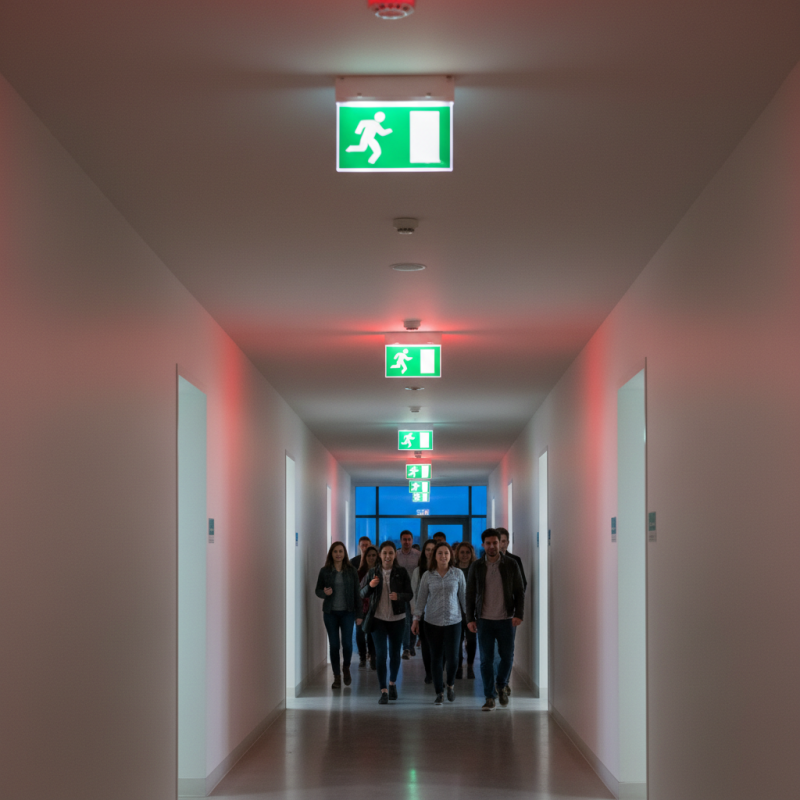
Emergency exit signs play a crucial role in ensuring safety compliance in various environments, from office buildings to public spaces. These signs not only guide individuals to safety during emergencies but also help organizations comply with occupational safety regulations. Understanding the importance of these signs is essential, as proper signage can significantly reduce the risk of injury or panic in critical situations.
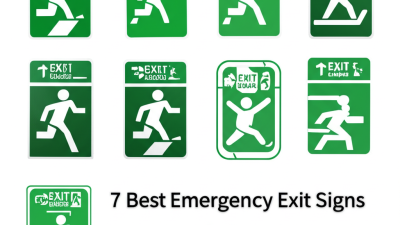
When selecting emergency exit signs, it is vital to consider visibility and clarity. The signs should be easily recognizable and placed in locations that are unobstructed and noticeable even in low-light conditions. Additionally, using standardized symbols can enhance comprehension, ensuring that everyone, regardless of language proficiency, can quickly identify exits.
Tips for maintaining safety compliance include regularly inspecting emergency exit signs to ensure they are illuminated and free from obstructions. It's also important to provide staff training on emergency procedures, so everyone knows how to react in case of an evacuation. Conducting drills can reinforce this training, helping to create a culture of safety within the organization. By prioritizing the visibility and maintenance of emergency exit signs, you can help ensure that safety compliance is not just a requirement, but a commitment to protecting people.
Top 10 Emergency Exit Signs You Need to Know for Safety Compliance
Key Features of Effective Emergency Exit Signs
Effective emergency exit signs are crucial for ensuring safety and compliance in any building. According to the National Fire Protection Association (NFPA), nearly 80% of fire-related fatalities occur in buildings without adequate Exit Signage. Therefore, understanding the key features of these signs can significantly enhance emergency preparedness. First and foremost,visibility is essential; signs should be illuminated, ideally with photoluminescent materials that glow in the dark, ensuring they can be seen even in power outages. A 2021 report from the International Code Council emphasizes that exit signs must be conspicuous and understandable at a distance of at least 30 meters.
Another important feature is the compliance with industry standards such as the Occupational Safety and Health Administration (OSHA) regulations, which state that exit signs should be installed in a clearly visible location and marked with the word "EXIT" in contrasting colors for high visibility. The color red remains the standard for exit signage, as it is universally recognized as a warning in emergency situations.
Studies have shown that well-placed and illuminated exit signs can reduce evacuation time by up to 25%, proving their critical role in safety systems. Furthermore, the signs should also be periodically inspected and maintained to ensure they remain functional, as dilapidated or burnt-out signs do not meet safety compliance standards and can lead to dire consequences during emergencies.
Common Types of Emergency Exit Signs and Their Uses
Emergency exit signs play a crucial role in ensuring safety compliance in various environments, including commercial buildings, schools, and industrial facilities. There are several common types of emergency exit signs, each serving specific purposes. The most recognized type is the illuminated exit sign, which features a bright, visible design that can be seen even in low-light conditions. According to a report from the National Fire Protection Association (NFPA), illuminated exit signs are mandated in most commercial settings to guide occupants safely during emergencies. Additionally, non-illuminated signs remain vital in areas where they are properly illuminated by ambient lighting, ensuring visibility at all times.
Another essential type is the directional exit sign, which provides guidance to the nearest exit, especially in complex layouts. A study conducted by the National Institute of Standards and Technology (NIST) found that clear directional signage significantly reduces evacuation time in emergencies, emphasizing the importance of these signs in enhancing safety compliance. Furthermore, bilingual exit signs are increasingly common in diverse communities, catering to the needs of non-English speaking populations. This inclusivity not only supports safety compliance but also enhances understanding and response during emergencies.
Tips for maximizing the effectiveness of your emergency exit signage include regularly inspecting signs for visibility and integrity, ensuring that they are free from obstructions and damage. It's also advisable to conduct regular training sessions for employees or building occupants on the location and importance of these signs, fostering a culture of safety awareness. Lastly, consider conducting drills to familiarize everyone with the evacuation routes, making sure that in a real emergency, occupants can efficiently navigate to safety.
Top 10 Emergency Exit Signs You Need to Know for Safety Compliance
| Sign Type | Description | Common Uses | Compliance Standards |
| Exit Sign | Indicates the location of emergency exits. | Hallways, stairwells, building exits. | NFPA, OSHA |
| Emergency Exit Route Sign | Guide to the nearest exit during emergencies. | Long corridors, large public spaces. | OSHA, IBC |
| Fire Exit Sign | Specifically indicates a fire exit. | Locations with fire hazards. | NFPA, OSHA |
| Exit Directional Sign | Shows the direction to the nearest exit. | Complex buildings, crowded areas. | OSHA |
| Illuminated Exit Sign | Lighted sign for enhanced visibility. | Dark or low-light environments. | NFPA, IBC |
| Self-Luminous Exit Sign | Does not require electrical power to glow. | Areas prone to power outages. | NFPA, OSHA |
| Low-Voltage Exit Sign | Operates on a low voltage system. | Commercial buildings, schools. | UL, NFPA |
| Wall-Mounted Exit Sign | Fixed to the wall at required heights. | Critical pathways for evacuation. | IBC, NFPA |
| Ceiling-Mounted Exit Sign | Suspended from the ceiling for visibility. | Open spaces, large warehouses. | OSHA, NFPA |
| Emergency Exit Procedures Sign | Outlines steps for evacuation. | Near exits, high-traffic areas. | OSHA, local regulations |
Regulatory Standards Governing Emergency Exit Signs
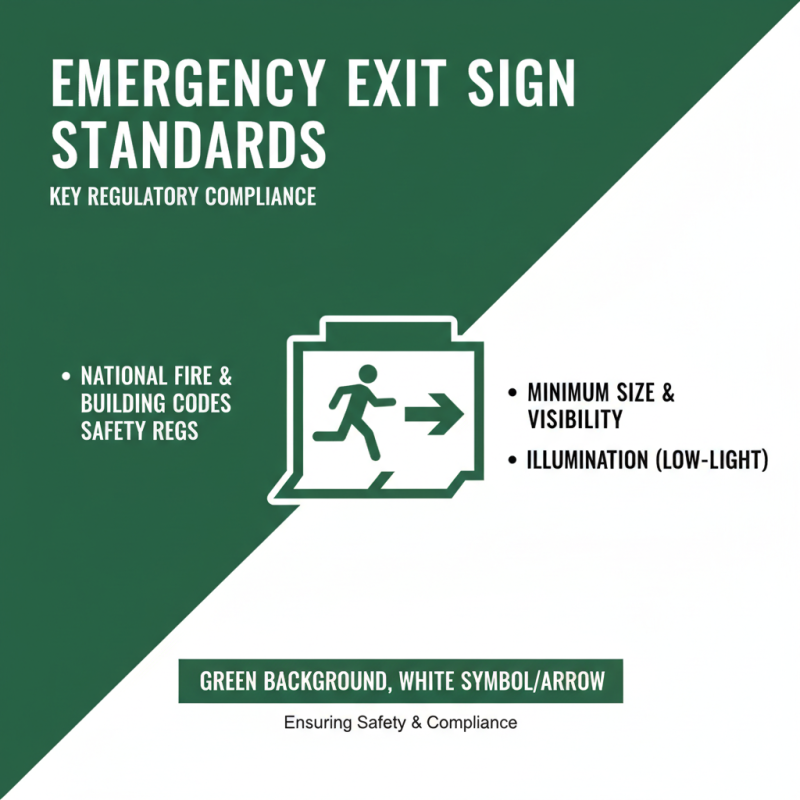
When it comes to emergency exit signs, understanding the regulatory standards that govern their design and placement is crucial for ensuring safety compliance. In many regions, these standards are dictated by national fire safety codes, building codes, and occupational safety regulations. Such regulations usually specify aspects like the minimum size, visibility, and illumination of exit signs, ensuring that they are easily recognizable even in low light conditions. For example, signs should feature standardized symbols and colors—typically a green background with a white arrow indicating the direction of the exit.
Furthermore, the positioning of emergency exit signs is equally important. Regulations often mandate that signs must be placed at all exit points and along pathways leading to exits to guide individuals safely out of a building during an emergency. This includes areas such as stairways and hallways. Regular inspections and maintenance are also key components of compliance, as they ensure that the signs remain in good condition and functional at all times. Adhering to these standards not only enhances safety for occupants but also helps organizations avoid potential legal liabilities associated with inadequate emergency preparedness.
Best Practices for the Placement of Emergency Exit Signs
When it comes to ensuring safety compliance, the appropriate placement of emergency exit signs plays a crucial role. These signs not only guide individuals to safety during an emergency but also help in maintaining a clear evacuation path. To maximize their effectiveness, it is essential to adhere to best practices for positioning these signs within a facility.
One important tip is to place emergency exit signs at strategic locations throughout the building. They should be visible from a distance and not obscured by furniture or other obstacles. Signs should also be located near exits, stairwells, and along exit routes to ensure that individuals can easily locate safe passages. Regular inspections of placement and visibility can help maintain compliance and improve safety awareness.
Another key consideration is to utilize appropriate lighting for emergency exit signs. During a power outage, illuminated signs are vital for guiding people to safety. Ensure that all exit signs are equipped with backup power sources or photoluminescent materials to remain visible in low-light conditions. Conduct routine checks of the exit signs to ensure they are operational, as this proactive approach can significantly impact safety during emergencies.
Maintaining and Inspecting Emergency Exit Signs Regularly
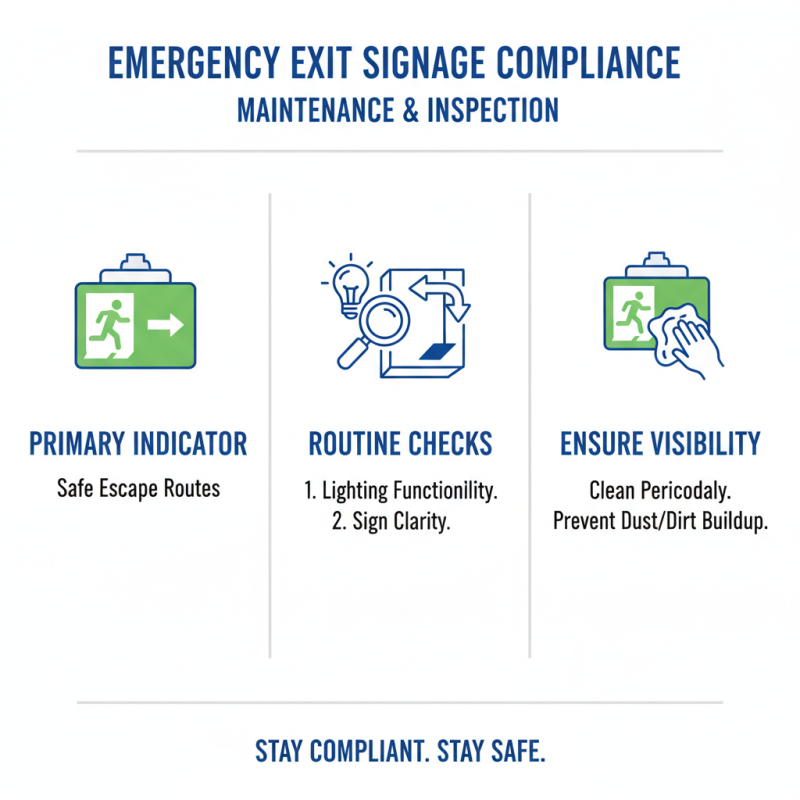
Regular maintenance and inspection of emergency exit signs are crucial to ensure that safety compliance standards are met. These signs are the first indicators of safe escape routes during emergencies, and their visibility is paramount. Routine checks should focus on the functionality of lighting and the clarity of the signage itself. Over time, accumulated dust and environmental factors can dim the lights or obscure the messages, making it essential to clean and maintain these signs periodically.
Additionally, inspections should be conducted to confirm that the emergency exit signs are correctly placed and unobstructed. This includes verifying that no furniture, decorations, or other items block the view of these critical indicators. Documenting each inspection can also be helpful for compliance audits, ensuring that all safety measures are being followed diligently. Establishing a maintenance schedule will not only help in keeping the signs operational but also foster a culture of safety within any organization. Keeping emergency exit signs in prime condition is a small yet vital step in safeguarding the well-being of everyone in the building.
Future Trends in Emergency Exit Sign Technology and Design
The landscape of emergency exit sign technology is rapidly evolving, driven by advancements in materials and design principles aimed at enhancing visibility and effectiveness. According to a report by the National Fire Protection Association, well-designed exit signs significantly improve safe evacuation during emergencies, reducing response times and potential injury. Emerging trends include the use of LED technology, which not only offers brighter illumination but also ensures that signs remain visible for extended periods, even during power outages.
Studies show that LED exit signs consume up to 75% less energy than traditional incandescent options, making them both economically and environmentally favorable.
Another noteworthy development is the integration of smart technology into emergency exit signage. With the advent of the Internet of Things (IoT), modern exit signs can now be connected to building management systems, allowing for real-time monitoring and automatic alerts if a sign malfunctions. A recent survey by the American Society of Safety Professionals highlighted that buildings equipped with smart emergency signage exhibited a 25% improvement in evacuation efficiency.
Furthermore, the incorporation of bioluminescent and photoluminescent materials is gaining traction, providing reliable visibility without relying on electrical power. These innovations not only enhance safety but also reflect a growing commitment to sustainability in building designs.
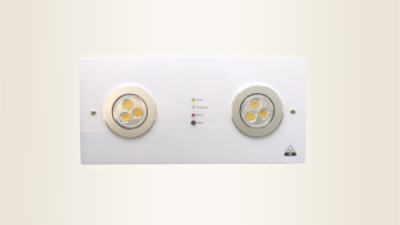
Enhancing Safety Standards: The Impact of Recess Mounted Twin Spot LED Emergency Light on Emergency Lighting Solutions in Commercial Spaces
The importance of enhancing safety standards in commercial spaces cannot be overstated, especially in emergency situations where effective lighting solutions can make a critical difference. The implementation of advanced emergency lighting systems, such as recessed mounted twin spot LED emergency lights, provides a seamless means of ensuring visibility during power outages. These technologies not only illuminate pathways and exits, but they also contribute to a heightened sense of security and preparedness within the environment.
Research indicates that well-designed emergency lighting can significantly reduce the risk of accidents during emergencies. According to industry studies, 70% of business owners report that inadequate emergency lighting exacerbates panic and confusion among occupants during crises. Utilizing cutting-edge solutions like recessed emergency lighting systems helps create a safe refuge by ensuring that vital areas are illuminated completely and effectively.
Furthermore, modern LED emergency lights are designed with aesthetics in mind, allowing them to blend into the architectural elements of commercial spaces without compromising their functionality. A recent survey highlighted that 80% of commercial facility managers prefer integrating sleek, unobtrusive lighting that not only fulfills safety compliance but also enhances the overall ambiance of their establishments. These insights underscore the critical role that innovative emergency lighting products play in bolstering safety standards in commercial settings.
FAQS
: Common types of emergency exit signs include illuminated exit signs, non-illuminated signs, directional exit signs, and bilingual exit signs. Each type serves specific purposes in guiding occupants during emergencies.
Illuminated exit signs are crucial as they feature bright designs that are visible in low-light conditions, helping occupants locate exits safely during emergencies. They are mandated in most commercial settings for this reason.
Directional exit signs provide guidance to the nearest exit, particularly in complex layouts. Research has shown that clear directional signage can significantly reduce evacuation time, thereby enhancing overall safety compliance.
Bilingual exit signs cater to non-English speaking populations, promoting inclusivity during emergencies and ensuring that all occupants can understand and respond appropriately to safety instructions.
Organizations can maximize the effectiveness of emergency exit signage by regularly inspecting signs for visibility, ensuring they are unobstructed, conducting training sessions for occupants, and familiarizing everyone with evacuation routes through drills.
Routine inspections should focus on the functionality of lighting, clarity of signage, location accuracy, and confirmation that signs are unobstructed by furniture or decorations. Documenting each inspection is also important for compliance.
Future trends include the use of LED technology for brighter illumination and energy efficiency, integration of smart technology for real-time monitoring, and the incorporation of bioluminescent materials, which provide visibility without electric power.
Smart technology allows for integration with building management systems, enabling real-time monitoring and automatic alerts for any malfunctions in the signs, which can improve evacuation efficiency.
Regular maintenance is crucial to ensure that exit signs remain visible and operational, as dirt or damage can obscure messages. This maintenance fosters a culture of safety and helps organizations comply with safety standards.
LED exit signs are more efficient as they consume up to 75% less energy than traditional incandescent signs, offer brighter illumination, and remain visible for longer durations, even during power outages.
Conclusion
Emergency Exit Signs are crucial for ensuring safety compliance in various environments. These signs not only guide people to safety during emergencies but also play a vital role in minimizing panic and confusion. Effective Emergency Exit Signs should feature clear visibility, appropriate lighting, and standardized symbols to ensure they are easily recognized in times of crisis.
Understanding the regulatory standards governing these signs is essential for organizations to meet compliance requirements. Best practices for placement and regular inspection of Emergency Exit Signs can significantly enhance their effectiveness, helping to ensure that pathways to safety remain clear and unobstructed. Additionally, advancements in technology and design are paving the way for more efficient and visually appealing Emergency Exit Signs, which can further improve safety standards in all settings.








 Phone
 Send Email
 whatsapp