In the realm of modern architecture, ensuring the safety of occupants is paramount, and one of the critical elements in achieving this safety is the effective use of Exit Led Signage. According to a report by the National Fire Protection Association (NFPA), approximately 70% of all fire-related deaths occur in buildings that lack adequate exit signage. Foshan Kaili Lighting Technology Co., Ltd., established in 2004, stands at the forefront of the emergency and green lighting sector, leveraging years of experience to enhance safety through innovative solutions. With strong R&D and production capabilities, Kaili Lighting recognizes that proper Exit Led Signage not only facilitates swift evacuation during emergencies but also significantly reduces confusion and potential hazards. As regulatory frameworks become increasingly stringent, the implementation of high-quality Exit Led Signage is not just a compliance issue, but a vital investment in the safety and well-being of building occupants.
Choosing the Right Location for Exit Led Signage in Buildings
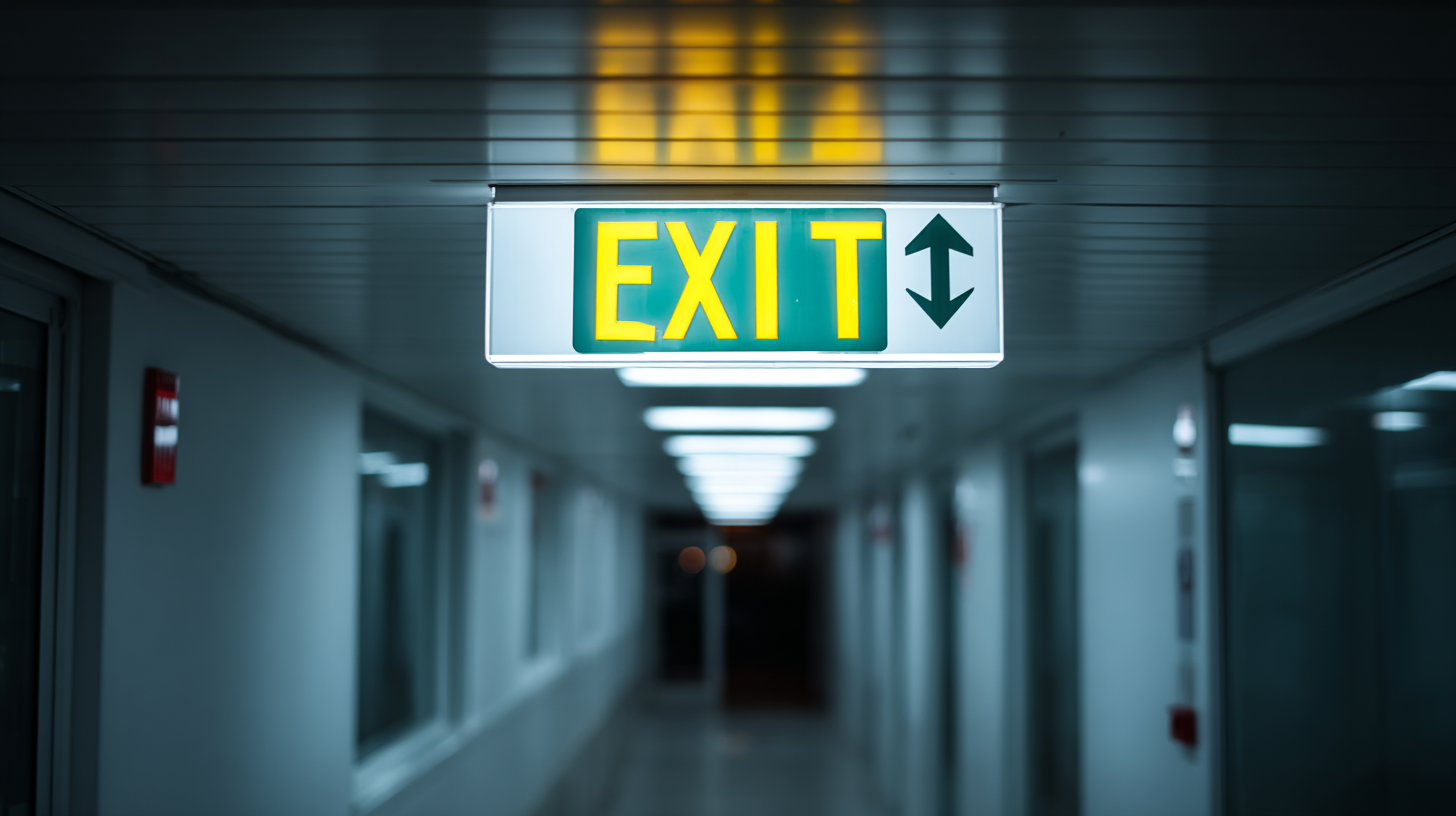
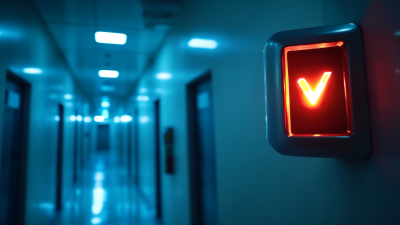
Picking the right spot for exit LED signs in a building is such a big deal when it comes to safety during emergencies. Basically, you want these signs somewhere everyone can see easily, no matter where they are inside. Places like hallways, stairwells, or near elevators are usually perfect—high-traffic areas where folks are bound to see them. It’s also best if the signs are placed at eye level and aren’t blocked by furniture or decorations, so people can quickly spot them and head toward the exits without any fuss.
And don’t forget, it’s really important to think about the building’s layout. Sometimes, sharp corners or dark spots can make Exit Signsless effective. In larger buildings, you might need several signs spread out to make sure the way to safety is super clear. Oh, and try not to place them too close to entrances, because people might get confused and think those are the actual exits—obviously, that’s not what you want! Regular checks and maintenance of these signs are just as crucial—they need to be working and visible all the time, especially when it really counts during an emergency.
In short, it’s all about making sure everyone can find their way out quickly and safely, with signs that are easy to spot and always in good shape.
Selecting Appropriate Exit Sign Colors and Designs for Visibility
Picking the right colors and designs for exit signs is actually pretty important if you wanna make sure people can see them easily and stay safe, especially in today's buildings. I read a report from the National Fire Protection Association (NFPA) that says good exit signs can cut down evacuation times by up to 20%. That’s a big deal because every second counts in an emergency. Bright colors like green and red are super effective — studies show that folks recognize these colors fastest when things get stressful or confusing.
But it’s not just about colors. How you light up and place those signs makes a big difference too. The Illuminating Engineering Society (IES) suggests that exit signs should be bright enough — at least 5 foot-candles — so they’re easy to see from far away. Plus, including clear symbols and arrows helps people get out quickly without having to stop and think. If signs are badly designed or not obvious enough, it can lead to confusion and delays, which is why choosing the right colors and thoughtful design really matters for everyone’s safety in a building.
Understanding the Importance of Exit Led Signage for Safety in Modern Buildings
| Exit Sign Color | Visibility Distance (ft) | Common Usage Areas | Material Type |
| Green | 150 | Exit Routes, Hallways | Acrylic |
| Red | 150 | Fire Exits, Emergency Areas | Aluminum |
| White | 100 | Offices, Restrooms | Plastic |
| Blue | 100 | Accessible Exits, Service Areas | Vinyl |
Understanding Regulatory Standards for Exit Led Signage Compliance
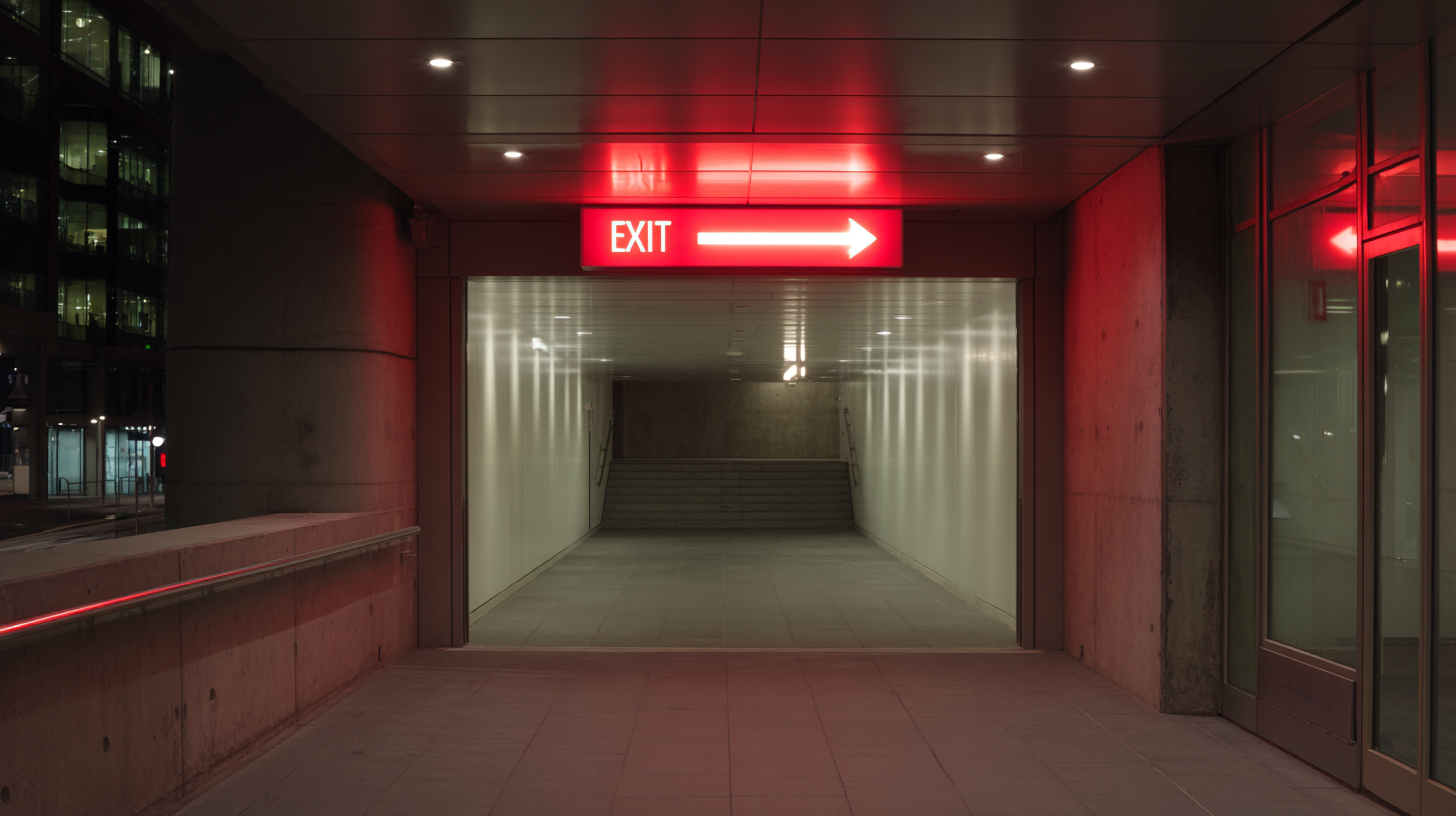 Exit LED signs are honestly a really important part of keeping folks safe in modern buildings, especially when emergencies hit. You really want to make sure these signs are up to standard so they work when it counts the most. Different bodies, like the National Fire Protection Association (NFPA) and the International Building Code (IBC), have come up with guidelines to help with installing and maintaining these signs. The goal? To make sure there's no confusion and everyone can get out quickly if something goes wrong.
These rules usually cover stuff like how clearly the signs can be seen, where they should be placed, and that they actually work when you need them. For example, most regulations say the signs need to be lit up, with enough brightness so they’re visible from afar—even in the dark. They also require signs to be well-marked and checked regularly to make sure they're still functioning properly. Following these rules isn’t just about ticking boxes; it’s all about creating a safe environment. At the end of the day, proper exit signage helps guide people out fast and prevents chaos during an emergency, which can truly save lives.
Implementing Maintenance Protocols for Exit Led Signs
When it comes to modern buildings, making sure safety signage is up to par is really crucial—especially those exit LED signs. But here’s the catch: to get the most out of these signs, you’ve got to keep up with regular maintenance. Doing routine checks and updates can totally save the day during an emergency, keeping those signs shining bright and working when they’re needed most.
A good tip? Every month, take a quick look at your signs—see if anything's broken or if the colors are starting to fade. And about twice a year, it's a smart move to test whether they light up properly and are still meeting safety standards. To really get ahead, schedule a thorough review once a year—with a good cleaning and all—to make sure everything’s clear and visible.
Also, don’t forget that community grants can really help boost safety efforts. Applying for funding to upgrade your signage or improve facilities can make a big difference—plus, it raises awareness about how important these safety measures are. By putting some money into both maintenance and upgrades, communities can create a safer, more secure environment for everyone.
Importance of Exit LED Signage Maintenance
Integrating Smart Technology into Exit Signage for Enhanced Safety
You know, integrating smart technology into exit signs is a game-changer for safety in today's buildings. With real-time IoT systems, these hi-tech exit signs can quickly communicate and respond during emergencies. They can be set up to show crucial info, like the best evacuation routes, and even change their display based on live data from emergency services. This kind of setup really helps management make sure safety procedures are on point, and it can seriously cut down response times when it counts most.
Plus, as buildings become smarter and more connected, the need for integrated safety systems is more important than ever. Think of it like a concept of “connected care,” where not only are devices linked up, but the entire environment is designed for smooth data sharing and coordinated reactions. For example, these exit signs could be integrated with the building’s main management system, so they automatically adjust according to how many people are inside or if something urgent is happening. It’s really about taking a step back and seeing safety as a whole picture—covering everything from skyscrapers to hospitals—making sure everyone stays safe in all kinds of situations.
Training Staff and Occupants on the Importance of Exit Signage
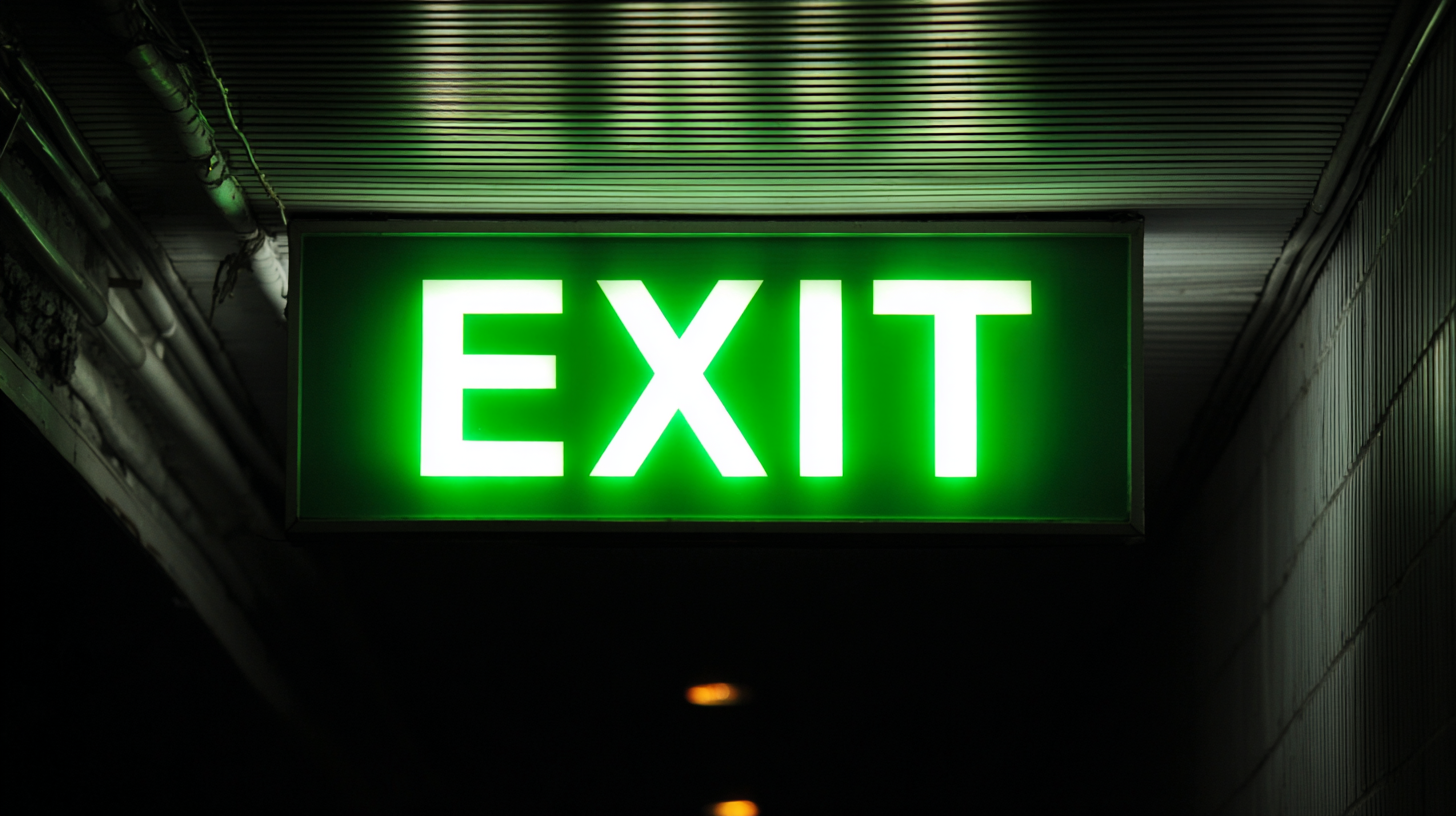
Training staff and building occupants on why exit signage really matters is so important for keeping everyone safe in today’s buildings. I read a report from the NFPA, and it turns out most fire-related accidents happen in non-residential places, which just goes to show how crucial good emergency prep is. When exit signs are well-lit and visible, it can make a big difference—helping people stay calm and find their way out quickly. In fact, studies show that having clear signage can cut evacuation times by up to half, so it’s definitely something organizations should focus on—making sure everyone knows how to spot and respond to those signs.
To help everyone get it, regular training sessions are key. These could include simple drills or simulations that show how to spot and follow exit signs during real emergencies. Talking through the building’s layout and explaining why those signs are so important can really make a difference, especially in stressful situations. At the end of the day, we need to remind everyone that in a crisis, those clearly marked pathways—those exit signs—can literally save lives.
Some tips:
- Use visual aids during training to really show where exit signs are and why they matter.
- Run occasional drills so folks stay sharp and to check if the signage actually works during a real evacuation.
- Foster a safety-first vibe, making sure staff feel comfortable pointing out any issues with signage and asking questions.
Overall, it’s all about making safety a natural part of the conversation, so everyone knows what to do when it counts.
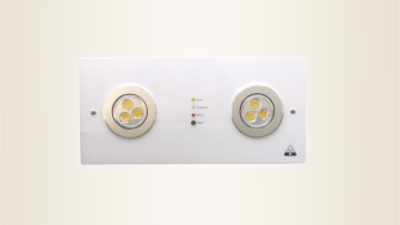
Comprehensive Guide to the 2x3w Recess Mounted LED Twin-Spot Emergency Light (12V): Features, Benefits, and Installation Tips
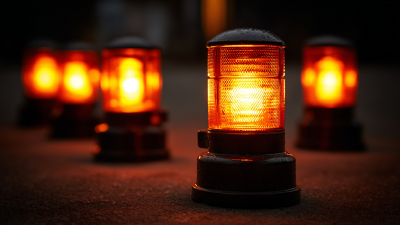
The QS360Y220L1206-10C1 stands out as an innovative 12V recessed emergency lighting fixture tailored for efficient illumination in critical moments, especially during power outages. Designed with both residential and commercial applications in mind, this unit ensures that safety remains a top priority. Its advanced technology not only provides reliable lighting but also features a sleek, unobtrusive design that seamlessly integrates into various environments.
One of the key benefits of the QS360Y220L1206-10C1 is its user-friendly operation. Installation is straightforward, making it accessible for virtually any user, while its robust construction guarantees durability and long-term performance. Whether used in hallways, staircases, or emergency exits, the twin-spot configuration ensures that the light covers a wider area, providing necessary visibility when it counts the most. The design minimizes visual clutter while maximizing functionality, making it an excellent choice for any space where safety is paramount.
FAQS
: Selecting appropriate exit sign colors and designs is crucial for ensuring visibility and safety, as effective exit signage can reduce evacuation time by up to 20%, significantly increasing safety during emergencies.
Bright colors, particularly green and red, are recommended for exit signs as they are most easily recognized during high-stress situations.
The Illuminating Engineering Society (IES) recommends that exit signs be illuminated with a minimum brightness level of 5 foot-candles to ensure readability from a distance.
Effective exit signage should include clear symbols, directional arrows, and proper illumination to facilitate a swift and intuitive escape route.
The National Fire Protection Association (NFPA) and the International Building Code (IBC) establish guidelines for visibility, placement, and operational functionality of exit LED signs.
Training staff and occupants on exit signage is crucial for ensuring safety, as clear signage can cut evacuation time by up to 50%, making effective emergency preparedness essential.
Training sessions can include simulations demonstrating how to identify and follow exit signs, discussions about building layout, and the overall significance of exit signage.
Regular training sessions should be conducted to enhance understanding among staff and occupants, keeping procedures fresh in everyone’s mind.
Periodic drills help assess the effectiveness of signage during actual evacuations and reinforce the importance of following exit procedures.
Encouraging a culture of safety involves making staff comfortable discussing and reporting any signage issues to ensure a safe environment for everyone.
Conclusion
So, I came across this article titled "Understanding the Importance of Exit LED Signage for Safety in Modern Buildings," and honestly, it highlights just how crucial exit signage really is for keeping folks safe in today's buildings. The article points out some key things to think about, like where you should place these signs for maximum effect, choosing colors and designs that catch the eye, and making sure everything lines up with the regulations. It also stresses that regular upkeep—like following proper maintenance routines—and even smart tech integrations can seriously boost safety. Plus, they emphasize training staff and residents on why these signs matter. It’s kind of like, if everyone gets it, emergencies can be handled way more smoothly.
And speaking of safety tech, Foshan Kaili Lighting Technology Co., Ltd., has been at the forefront since 2004, specializing in emergency and eco-friendly lighting. They've really pushed the envelope when it comes to Exit LED Signage, with strong R&D and manufacturing power. Basically, they’re in a great spot to offer fresh, innovative solutions that make buildings safer and keep everyone in line with the rules.






 Phone
 Send Email
 whatsapp