Picking the right Led Linear Lightfor your space isn't always super straightforward. It’s a pretty versatile and efficient lighting option, no doubt, but not all Led Linear Lights are the same. You’ll find tons of styles, sizes, and brightness levels out there, which can be a bit overwhelming.
When you’re choosing one, think about what you really need it for. Are you lighting up a big commercial space, or just trying to brighten up a cozy home office? The right light placement can totally change the vibe of a room. Plus, the kind of light you go for can even influence your mood and how productive you feel. On the flip side, picking the wrong kind could make your space feel too harsh or unwelcoming.
Don’t forget to pay attention to the color temperature too. Warmer tones help create a chill, relaxing vibe, while cooler tones can boost your focus and keep you energized. This is actually a spot where folks often slip up. If you're unsure, it’s a good idea to test out a few different options before settling on one. Honestly, those tiny details can make a pretty big difference more than you’d think.
Factors to Consider When Selecting LED Linear Lights for Your Space
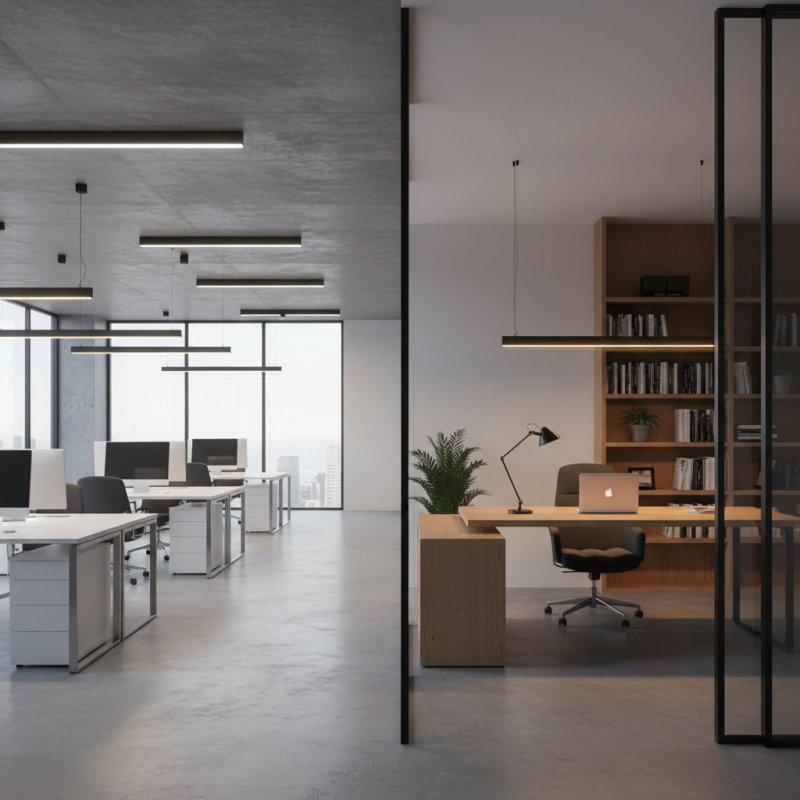
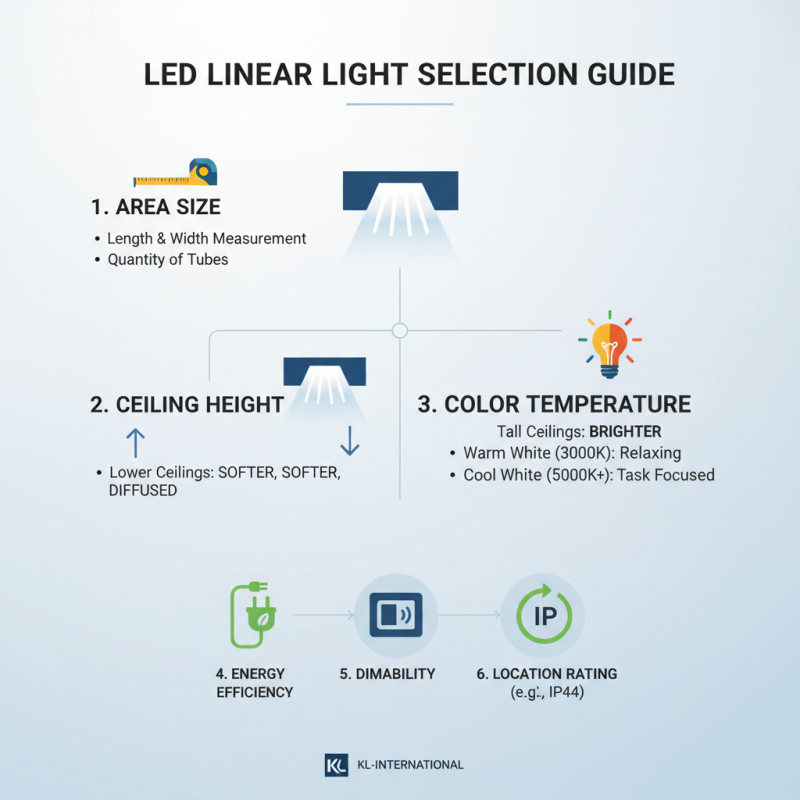
When selecting LED linear lights for your space, there are several key factors to consider. The size of your area is crucial. Measure the length and width. This helps determine how many Led Linear Tubes you need. Tall ceilings may require brighter lighting. Lower ceilings benefit from softer, diffused light.
**Tip:** Consider the color temperature. A warm white light creates a cozy atmosphere. A cooler white light looks modern and clean. Think about the mood you want to achieve.
Another factor is the purpose of the space. Task-oriented areas need brighter lighting. Think about kitchens or workshops. Ambient spaces can use softer illumination. A lounge area, for instance, might benefit from dimmer lighting.
**Tip:** Look at the energy efficiency ratings. Not all Led Linear Tubes are equally efficient. This impacts your electricity bill. Choosing high-quality options is often worth it, despite the upfront cost.
Understanding the Different Types of LED Linear Lights Available
Choosing the right LED linear light starts with understanding the different types available. LED linear lights can be categorized primarily into direct, indirect, and bi-directional types. Direct lights cast light in a straight beam, making them ideal for task lighting. Indirect lights bounce light off the ceiling, creating a softer glow. Bi-directional lights provide light in both directions. This variety allows flexibility depending on your space's needs.
Consider energy efficiency as well. The U.S. Department of Energy reports that LED lighting uses up to 75% less energy than incandescent lighting. This statistic emphasizes the importance of choosing LED for sustainability and cost savings. While brightness is crucial, it’s also vital to assess the color temperature. A cooler temperature is suitable for workspaces, while warmer tones create a cozy atmosphere.
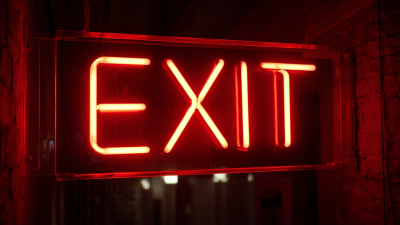
During emergencies, don’t forget about the importance of Emergency Light Emergency Light. These fixtures must not just focus on aesthetics but also functionality. Incorporating emergency options ensures safety without compromising style. However, finding the right balance can be challenging. Many users overlook this, leading to inadequate lighting in critical situations. It’s essential to reflect on your space’s specific needs before settling on a choice.
Assessing the Required Brightness and Color Temperature
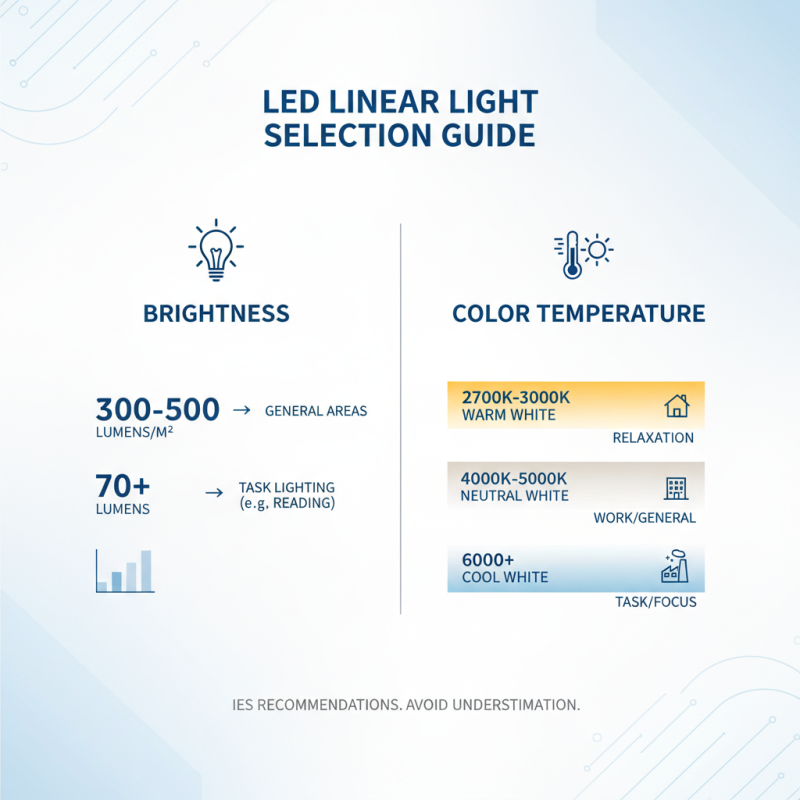
Choosing the right LED linear light involves understanding brightness and color temperature. Brightness, measured in lumens, determines how well a space is illuminated. A report from the Illuminating Engineering Society suggests that for general areas, 300 to 500 lumens per square meter works well. However, specific tasks like reading may need upwards of 700 lumens. Different spaces have varying needs, and this sometimes leads to underestimating required brightness.
Color temperature, measured in Kelvin (K), also plays a crucial role. Warmer lights (2700K to 3000K) create a cozy atmosphere. Cooler lights (4000K to 5000K) offer a crisper, more alert environment. Research indicates that workplaces with cooler lighting can enhance productivity but may come off as too harsh for relaxation areas. Striking the right balance is often a challenge. Many overlook the psychological effects of lighting. The wrong color can make a space feel uninviting.
When choosing lights, consider both aspects. A common mistake is to prioritize aesthetics over function. This can lead to spaces that look good but feel uncomfortable. For instance, a trendy workspace may employ too cool lighting, thus affecting employee satisfaction. Understanding these elements is key to creating an environment that truly works for your needs.
Evaluating the Installation Environment for Optimal Performance
When selecting LED linear lights, evaluating the installation environment is crucial. Different spaces have unique lighting needs. For example, a warehouse requires different lighting than a cozy café. Factors such as ceiling height and room dimensions greatly influence light placement. Studies show that proper lighting can enhance worker productivity by up to 20%.
Tips: Measure your space carefully before installation. Think about the purpose of the area. A well-lit workspace minimizes shadows and highlights tasks.
Consider ambient light. In spaces with ample natural light, less artificial lighting may suffice. On the contrary, darker areas will need more robust lighting solutions. Recessed Led Lights can create a seamless look, blending into the architecture while providing effective illumination.
Evaluate your electrical setup as well. Incompatible voltage can lead to poor performance. Choosing lights that match your existing infrastructure can save time and costs. Be mindful of the layout; improper placement can lead to dark spots or overexposure.
Choosing the Right Length and Size for Your Space Requirements
When choosing the right length and size for LED linear lights, several factors come into play. The size of your space significantly influences your decision. For instance, a 12-foot corridor may require longer Led Light Tubes to provide adequate illumination. Industry reports indicate that effective lighting can enhance productivity by 20%. This means a well-lit area isn’t just appealing; it can make a real difference.
Consider the height of your ceiling, too. If it’s over nine feet, you might need higher wattage LED lights for even distribution. Lighting experts recommend a minimum of 300 lumens per square meter for general spaces. However, specific tasks might need more intensity. Be aware that larger spaces often create shadows if not adequately lit. Finding the right balance of length and size can be challenging.
Also, think about the aesthetic aspect. Longer Led Light Tubes can create a seamless look in open areas. However, they can sometimes feel overwhelming in smaller rooms. Experimenting with different placements is crucial. Even minor adjustments can affect the overall ambiance. Reflect on your choices. The right size not only illuminates but also creates a welcoming environment.
Energy Efficiency and Cost Considerations for LED Linear Lights
When selecting LED linear lights, energy efficiency is paramount. Studies show that LED lights use at least 75% less energy than traditional incandescent bulbs. This significant reduction translates to lower electricity bills and a smaller carbon footprint. The U.S. Department of Energy reported that LED lighting could save the nation over $30 billion by 2027.
Cost considerations also play a vital role. Although the initial investment for LED lights can be higher, their longevity offsets the upfront cost. LEDs can last up to 25,000 hours compared to only 1,000 hours for incandescent bulbs. This means fewer replacements and lower maintenance costs. Nonetheless, not all LED products provide the same quality or efficiency. Some cheaper models may fail to deliver their promised lifespan, leading to frustration and unexpected expenses.
Understanding the power consumption of LED linear lights is critical. A well-designed LED system can dramatically cut energy use. However, choosing the wrong light for your space can negate these benefits. You might face higher energy costs due to ineffective lighting design. Always consider the lumens per watt ratio to ensure optimal performance.
Energy Efficiency and Cost Comparison of LED Linear Lights
Exploring Design Aesthetics and Trends in LED Linear Lighting
LED linear lighting has gained significant traction in recent years, not just for its energy efficiency but also for its design versatility. According to a 2023 report by the Lighting Research Center, LED linear lights are projected to account for over 40% of the commercial lighting market by 2025. This shift is driven by their sleek aesthetics and ability to create a seamless look in various spaces, from offices to homes.
When choosing LED linear lights, pay attention to their color temperature. Warmer hues tend to evoke a cozy atmosphere, while cooler tones can inject a touch of modernity. Neutrals bridge the gap and adapt well to both contemporary and traditional settings. Design options are also expanding. Shapes and sizes range from sleek rectangles to more artistic forms, allowing for innovative installations.
Tip: Always consider the scale of your space. Large fixtures can overwhelm a small room, while tiny lights may get lost in a vast area. Balance is key.
Remember that layout plays a crucial role. The positioning of linear lights can accentuate architectural features or help in zoning spaces. However, inappropriate placement can lead to uneven lighting and discomfort. Reflect on your choices. Be intentional in creating a harmony between functionality and aesthetic appeal.
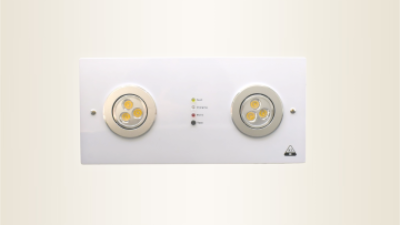
Innovative Emergency Lighting Solutions: Spotlight on the Recess Mounted Twin Spot LED Emergency Light 2x3W (6V)
In an ever-evolving world, ensuring the safety and security of indoor environments during emergencies has become paramount. The Innovative Emergency Lighting Solutions, especially the recessed mounted twin spot LED emergency light featuring 2x3W at 6V, exemplifies a significant advancement in this area. Designed with seamless integration in mind, this recessed light not only enhances aesthetics but also provides vital illumination when needed most.
According to recent studies, power outages can occur unexpectedly, impacting commercial and residential facilities alike. The National Fire Protection Association (NFPA) reports that effective emergency lighting is critical in guiding occupants safely to exits during such events. The QS360Y220L0606-10C1 model addresses these concerns by ensuring robust performance, visibility, and peace of mind. With its innovative design tailored for versatility, it is an ideal choice for various applications, including office buildings, schools, and hospitals.
Moreover, industry data highlights that modern LED emergency lights, such as the recessed twin spot variant, have lower energy consumption and longer lifespans than traditional lighting solutions. This leads to both operational efficiency and reduced maintenance costs, making it a wise investment for organizations seeking to enhance their emergency preparedness without compromising style or performance. The integration of high-quality emergency lighting solutions is not just about compliance; it’s about fostering a safe environment for all.
FAQS
: Brightness, measured in lumens, is crucial for effective illumination. Different tasks require different lumen levels.
For general areas, 300 to 500 lumens per square meter is ideal. Reading spaces require upwards of 700 lumens.
Color temperature, measured in Kelvin, affects atmosphere. Warmer lights create coziness; cooler lights enhance alertness.
Many prioritize aesthetics over function. This can create uncomfortable environments that hinder productivity and satisfaction.
Different spaces have unique needs; for example, a warehouse differs from a café in lighting requirements.
LED lights use 75% less energy than traditional bulbs. This lowers bills and reduces the carbon footprint significantly.
Although LEDs cost more upfront, their longevity leads to lower maintenance expenses over time, saving money.
Ensure the lights match your existing infrastructure. Incompatible voltage can lead to poor performance and issues.
Choosing the wrong light can increase energy expenses. Ineffective design may negate the benefits of energy efficiency.
Many overlook how the wrong color temperature can make spaces feel uninviting, affecting overall comfort and mood.
Conclusion
When selecting the right LED linear light for your space, there are several critical factors to consider. First, it's essential to understand the various types of LED linear lights available and how they can suit different applications. Assessing the required brightness and color temperature is vital to create the desired ambiance, while the installation environment can affect the light's performance. Additionally, ensuring the correct length and size for your space is crucial for both functionality and aesthetic appeal.
Energy efficiency and cost considerations play a significant role in the long-term value of LED linear lights, making it important to choose options that align with your budget and sustainability goals. Lastly, staying informed about design aesthetics and current trends can help you select an LED linear light that not only meets practical needs but also enhances the overall look of your space. By thoroughly evaluating these aspects, you can confidently choose the best LED linear light for your environment.



 Phone
 Send Email
 whatsapp