Picking the right Emergency Exit Lights is super important when it comes to safety in any building. You know, when things go sideways in an emergency, these lights are what help guide people to safety. If the exit paths are well-lit, it can really help keep everyone calm and prevent injuries or panic. It’s worth paying attention to how bright and visible these lights are — bright enough to catch your eye easily. Oh, and don’t forget to look for ones withbattery backup. That way, even if the power suddenly goes out, the lights will stay on and won’t leave people in the dark.
Also, think about how easy it is to install and maintain these lights. Some models might need a pro to set up, while others are pretty straightforward and DIY-friendly. Plus, regular checks are a must — you want to make sure everything’s working like it should, especially when it counts. Bottom line? Choosing the right emergency exit lights can literally save lives. But if you go for the wrong ones, it could lead to chaos at the worst moment. So, it’s definitely worth taking the time to pick carefully.
Understanding the Importance of Emergency Exit Lights for Safety
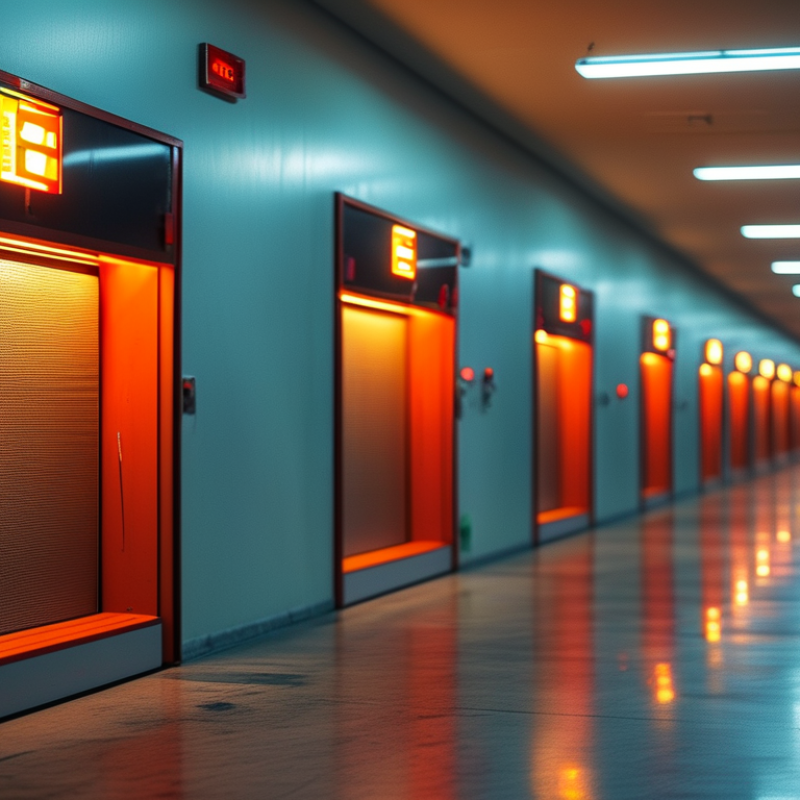
Emergency exit lights play a crucial role in ensuring safety during emergencies. They guide individuals toward exits when visibility is compromised. Understanding their importance is essential for any facility. During power outages or smoke-filled environments, these lights become lifelines. A well-placed Emergency Light can lead people to safety quickly and effectively.
Choosing the right emergency exit lights goes beyond simple installation. It involves considering brightness, battery life, and placement. Lights must be visible from various angles. They should illuminate pathways clearly. Regular maintenance is essential as well. A malfunctioning light is as good as no light at all. It’s often overlooked but can have severe consequences in an emergency.
Many assume all exit lights function similarly, but this is not the case. Each setting may require different specifications. Reflecting on past incidents highlights the need for proper exit lighting. Inadequate lighting has hindered safe evacuations before. Regular assessments can reveal areas needing improvement. Investing time and resources into this safety measure is vital for any organization.
Key Features to Look for in Emergency Exit Lights
When selecting emergency exit lights, specific features significantly enhance safety. Brightness is crucial; lights should be sufficiently bright to guide people during an evacuation. A minimum illumination level of 5 lux is standard. Additionally, lights need to have a long duration capability, ideally providing at least three hours of illumination after a power failure. This ensures visibility when it matters most.
Another key feature is battery backup. Reliable battery systems should be maintenance-free and have a long lifespan. Lights should be easy to install and test. This simplifies regular checks to verify their functionality. Considering materials is also essential; look for lights made from durable materials to withstand various environments.
However, not all exit lights are created equal. Some may fail during extreme conditions. It's vital to critically assess not just the specifications, but also how products operate under pressure. Regular maintenance and testing are necessary to ensure these lights are genuinely effective. Reflecting on past experiences can highlight the significance of reliable emergency exit lights, especially in high-traffic areas.
Types of Emergency Exit Lights: A Comparative Overview
When selecting the best Emergency Exit Lights, understanding the types available is essential. Common options include battery-operated, hardwired, and photoluminescent lights. Battery-operated lights offer flexibility and are easy to install. They serve well in places where electrical access is limited. However, if the battery fails, these lights cease to function. Data from the National Fire Protection Association (NFPA) emphasizes reliable operation during emergencies.
Hardwired Emergency Exit Lights connect directly to the building's electrical system. They usually provide a constant power supply. Yet, they require a professional installation. The NFPA reports that these types are preferred in larger commercial settings. Photoluminescent lights absorb ambient light. They glow in darkness and require no power source. But, experts warn of their limitations in low-visibility conditions.
Understanding these variations helps in identifying the best Emergency Exit Lights for specific needs. One must assess the installation site, the frequency of power outages, and overall maintenance requirements. Each type presents its pros and cons, prompting careful consideration to ensure reliable safety measures are in place.
Assessment of Battery Life and Power Source Options
When selecting emergency exit lights, assessing battery life and power source options is crucial. A report from the National Fire Protection Association (NFPA) highlights that over 60% of building emergencies occur in low-visibility situations. In these scenarios, reliable lighting can make all the difference. Battery life is a key metric; most emergency lights must function for at least 90 minutes during a power outage.
Many emergency exit lights use rechargeable batteries, but not all options are created equal. Lithium-ion batteries generally last longer and have better performance compared to older lead-acid types. A study from the Underwriters Laboratories indicates that lithium batteries can have a lifespan of up to 10 years. However, inconsistent maintenance can lead to failures. Inspecting the battery regularly ensures that Exit Signs And Emergency Lights work when needed.
Power source options also significantly impact safety. Some lights operate solely on batteries, while others can be hardwired. Understanding the specific requirements of each location is vital. Hardwired systems tend to provide more consistent power but require more installation expertise. A poorly installed hardwired system may fail during an emergency, making regular checks of the entire setup necessary. Balancing battery life and reliable power sources ensures that Exit Signs and emergency lights serve their purpose effectively.
Installation Considerations for Emergency Exit Lights
When installing emergency exit lights, several critical factors must be considered. The placement of Fire Exit Lights is crucial for visibility. They should be installed in areas that are easily accessible, such as near exits and along pathways. Make sure they are not obstructed by furniture or equipment. This ensures that people can quickly find their way out during emergencies.
Additionally, consider the power source and battery backup. Emergency exit lights should function effectively during power outages. A combination of hard-wired systems and battery backup is advisable. Wiring should comply with local codes, ensuring reliability. Regular maintenance and testing are often underestimated. Routine checks guarantee that fire exit lights remain operational at all times.
Lastly, ensure that the lights are bright enough. Brightness directly impacts visibility in smoke or darkness. Be mindful of their design and integration with building aesthetics, though functionality must always come first. Striking a balance between appearance and practicality can be challenging. Reflect on these aspects to ensure effective installation and compliance with safety regulations.
Regulatory Standards and Compliance for Exit Lighting
When selecting emergency exit lights, understanding regulatory standards is crucial. Compliance ensures that your lighting systems effectively guide people to safety during an emergency. Various codes, such as the National Fire Protection Association (NFPA) and the International Building Code (IBC), outline specific requirements for exit signs and emergency lighting. These stipulations often include illumination levels, sign visibility, and placement requirements.
The minimum illumination level should be at least one foot-candle on the exit path. This standard helps ensure that the lights are bright enough for clear visibility. Exit lights must also be placed with sufficient spacing to avoid dark areas. Furthermore, regularly reviewing local regulations can provide insights into additional requirements based on the building type and occupancy.
Some facilities may overlook the importance of regular maintenance. Burned-out bulbs or damaged signs can render an entire system ineffective. Regular inspections and prompt replacements are vital. Evaluating your existing system can reveal areas needing improvement. It’s essential to create a culture of safety and compliance that extends beyond initial installation.
Best Emergency Exit Lights Features Comparison
Maintenance Tips to Ensure Functionality of Exit Lights
Maintaining exit lights is crucial for ensuring safety. Regular checks can prevent issues that might arise over time. Look for any flickering bulbs or damaged enclosures. These signs often indicate a need for immediate attention. A thorough inspection every six months is a good practice.
Cleaning the units is often overlooked. Dust and grime can accumulate, impacting the light’s visibility. Use a soft cloth to wipe down Led Exit Lights. This simple action can increase their effectiveness during emergencies. Furthermore, consider replacing bulbs proactively, even if they still work. A burnt-out bulb can be a significant hazard.
Documentation is another important aspect. Keep a log of maintenance activities. Recording dates and actions taken helps track when replacements are due. Sometimes, units may not operate as intended despite recent checks. It’s essential to accept that some exit lights may require more frequent attention. Regular maintenance not only enhances reliability but also ensures that everyone feels safe.
FAQS
: Placement is crucial. Install near exits and pathways. Avoid obstructions to ensure visibility.
They must work during power outages. A combination of hard-wired systems and battery backup is ideal.
Regular maintenance is vital. Routine checks keep lights operational and prevent failures during emergencies.
Lights should have sufficient brightness. A minimum illumination of one foot-candle is recommended for clarity.
Compliance with standards like NFPA and IBC is essential for safety. These codes specify visibility and placement.
Burned-out bulbs can make an entire system ineffective. Regular inspections help identify issues that need attention.
Yes, design matters but functionality must take priority. Balancing appearance and practicality is a common challenge.
Overlooking local regulations can cause issues. Regular reviews are necessary to stay informed about requirements.
Conclusion
Emergency Exit Lights play a crucial role in ensuring safety during emergencies, guiding occupants towards exits swiftly and effectively. When choosing the best emergency exit lights, it is essential to understand their importance, key features, and types available in the market. Key considerations include battery life and power source options, which significantly impact the lights' reliability in crises.
Additionally, installation aspects must be assessed to ensure optimal placement and visibility. Compliance with regulatory standards is vital to guarantee these lights meet safety requirements. Regular maintenance is also necessary to keep emergency exit lights functional and effective. By addressing these factors, one can select the best emergency exit lights to enhance safety in any environment.






 Phone
 Send Email
 whatsapp