Leave Your Message
Online Inuiry
kl-internationalWhatsApp
StewardAllesGuteWeChat
General Lighting
0%

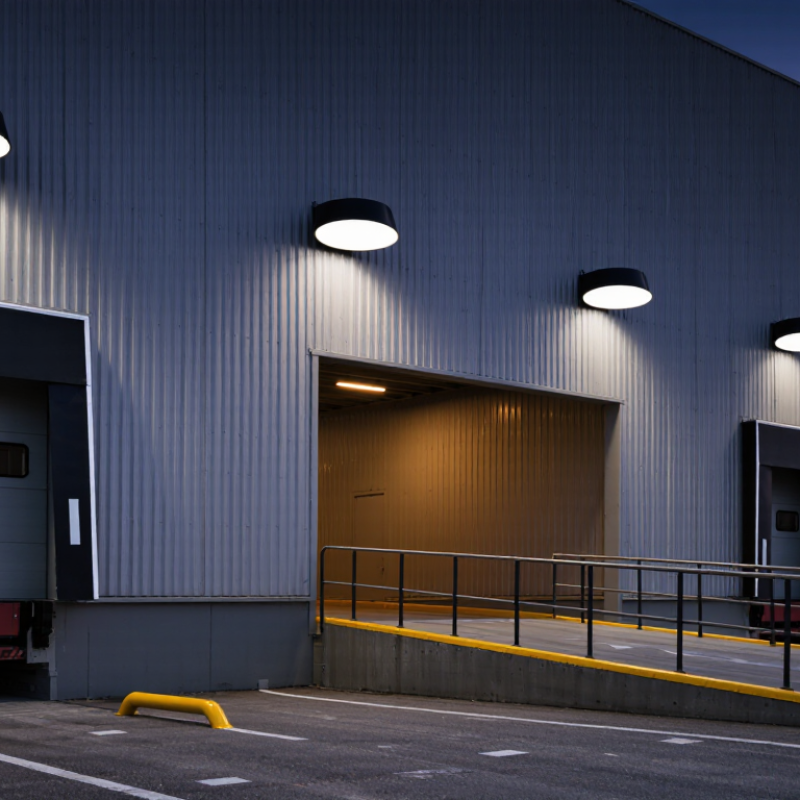
Sometimes, a lighting choice might seem pretty minor when you're just looking at the specs on paper. But trust me, come night time—especially at a loading bay, stairwell, or an exposed entrance—that little detail can make a huge difference. That's where a Led Bulkhead really comes into play. These fixtures are designed for those practical spots; they need to be compact but still reliable, providing steady light and withstanding the wear and tear of regular use. Their enclosed bodies help protect the guts inside from dust and moisture, but don’t forget—how well they perform really depends on their protection ratings, the materials used, and how you install them. It’s worth taking a closer look at the fine details—so don’t just judge by a product photo!

Another thing to consider is efficiency. LED fittings are a big plus for project teams for a reason. According to the U.S. Department of Energy, residential LEDs consume at least 75% less energy and can last up to 25 times longer than those old-school incandescent bulbs. That’s pretty impressive, right? But, of course, those numbers are general guidelines. The actual performance of a bulkhead depends on things like output, controls, how long it’s in use, and basically the quality of the fixture itself. Plus, the International Energy Agency’s Energy Efficiency 2023 report keeps highlighting how important these efficient tech solutions are for reducing overall energy demand. Those little energy savings add up over corridors and service areas – every bit helps!

And yeah, fit really does matter. When choosing a fixture, compare not just the lumen output but also the beam spread, color temperature, ingress protection (that’s how waterproof or dustproof it is), and how easy it is to access for maintenance. A well-chosen LED bulkhead can give you great practical lighting without the hassle of frequent bulb changes, especially in those tricky spots. But, here’s the thing— being ‘tough’ isn’t the whole story. Sometimes, a fixture might be durable on paper but still not quite right for its environment. It’s a small detail, but easy to miss. Digging into test data and understanding installation needs can really help turn a good product into a reliable choice for your project.
Why Choose LED Bulkhead Lights for Your Project?

What LED Bulkhead Lights Are and How They Work

An LED Bulkhead Light is a compact fixture with a sturdy body, a sealed cover, and an LED light source inside. Its rounded or oval shape helps protect the components from knocks and everyday exposure to dust or moisture. The exact protection depends on the fixture’s design and rating, so check the product specifications for the intended location. That detail matters outdoors.

When switched on, the driver regulates incoming electrical power and supplies the LEDs with a suitable current. Inside each LED, electrical energy produces light through a semiconductor process. The cover or diffuser then spreads that light across nearby surfaces, such as a doorway, stairwell, or garage wall. Many models produce broad, practical illumination rather than a sharply focused beam.

In practical use, the fixture’s sealed construction can make it useful in areas where ordinary indoor fittings may be less suitable. However, a sealed body does not mean every model suits every wet or exposed location. Match its rating to the installation conditions, and follow the manufacturer’s wiring instructions. A sensor or emergency feature may also be available, but it adds specific requirements. One point worth checking: a diffuser can soften glare, yet it may also reduce the apparent brightness compared with a bare light source.

Key Components and Design Features of LED Bulkhead Lights

An LED bulkhead light combines several parts that must work well together. The housing protects the internal components from knocks, dust, and moisture. Look for a sturdy body and a gasket that sits evenly around the cover. A loose seal can let water in, even when the fitting appears solid.

Behind the diffuser, an LED board produces light while a driver regulates electrical power. A well-designed housing helps move heat away from the board, supporting steady performance over time. Small details matter. Check how the cover opens and whether the mounting points align with the surface. Awkward access can turn a simple maintenance task into a frustrating one.

When choosing a Led Outdoor Bulkhead Light, match its ingress protection rating to the actual location, such as a sheltered entrance or an exposed wall. Do not rely on the rating alone; correct installation and intact seals matter too. Some models include sensors, but they may not suit every walkway or doorway. I have seen specifications dominate a decision, while glare and mounting height get less attention. Those details deserve a closer look before installation.

Why Choose LED Bulkhead Lights for Your Project? – Key Components and Design Features

Component or Feature Typical Design or Specification Project Benefit Selection Note
Housing Commonly made from die-cast aluminium or UV-stabilised polycarbonate. Protects internal parts; aluminium can also help conduct heat away from the LEDs. Match the material to impact risk, exposure, weight, and installation conditions.
Diffuser and lens Often opal or prismatic polycarbonate; some designs use a clear lens. Distributes light and can reduce direct glare while shielding the LED board. Choose the optical pattern and light distribution for the mounting height and task.
LED array Surface-mounted LEDs arranged on a printed circuit board are widely used. Provides the light source in a compact fitting with no separate replaceable lamp in many designs. Compare lumen output and measured efficacy for the complete fitting, not just the LED chips.
LED driver Regulates power to the LEDs; input voltage and dimming options vary by model. Supports stable operation and may enable dimming or control-system integration. Check supply voltage, dimming compatibility, power factor, and driver replacement access.
Ingress protection IP65 is a common rating for outdoor or dusty-area bulkhead fittings. An IP65 enclosure is dust-tight and protected against water jets when correctly installed. Verify the complete fitting’s rating and installation instructions; IP ratings do not indicate impact resistance.
Impact resistance IK08 or IK10 ratings are available on some models; ratings differ between products. Helps specify the fitting for locations where accidental impacts may occur. Use the project’s required IK rating and check the certified product documentation.
Colour temperature and colour rendering Common options include 3000 K, 4000 K, and 5000–6500 K; CRI 80 or higher is common. Allows the light appearance and colour rendering to suit the space. Confirm the specified CCT and CRI; available choices depend on the fitting.
Emergency option Some versions include a rechargeable battery and Emergency Lighting circuitry. Can provide lighting during a mains power failure, subject to the model’s rated duration and output. Check the required emergency duration, test facilities, battery maintenance, and local regulations.
Sensor and control options Selected models offer occupancy sensors, daylight control, or dimming. Controls can reduce operating time or adjust light output when the space allows. Check sensor coverage, settings, and compatibility with the project’s control system.
Mounting and maintenance Bulkhead fittings are commonly designed for wall or ceiling mounting, with access for wiring and servicing. A compact, enclosed format suits corridors, stairwells, entrances, and utility areas. Confirm mounting orientation, cable entry, clearance, and access before installation.

Specifications shown are typical design options, not universal requirements. Confirm performance, ratings, and installation conditions against the selected fitting’s technical documentation.

Energy and Performance Benefits for Project Lighting

LED bulkhead lights can reduce energy use compared with older lamps, especially in corridors and service areas that stay lit for long hours. Check the fixture’s lumen output, not just its wattage, to see how much useful light it provides. A loading-bay doorway, for example, needs clear visibility across the floor, not a bright spot surrounded by shadows. Good optical design helps spread light more evenly. Less glare, too.

Long-lasting LEDs can also reduce relamping visits, which matters when fittings sit above stairwells or exposed entrances. For Led Outside Bulkhead Lights, check the stated ingress protection rating and confirm it suits the location’s rain and dust exposure. A sealed housing is helpful, but installation details still matter; poor cable entry can undermine it. Dimming or motion controls may save more energy in spaces used intermittently, though sensor settings need testing to avoid lights switching off while people remain nearby. In practice, measure the area and compare beam coverage before ordering. A small trial installation can reveal uneven patches that drawings miss. LED performance is dependable, but it is not automatic.

Why Choose LED Bulkhead Lights for Your Project?

Annual energy use in an example comparison: an 18 W LED bulkhead versus a 36 W fluorescent bulkhead, each operating 12 hours per day for 365 days. Under these assumptions, the LED uses 50% less electricity—about 78.8 kWh per fitting annually. Actual consumption and light output vary by product; check lumen output and project requirements when comparing fittings.

Common Applications Across Indoor and Outdoor Spaces

LED bulkhead lights suit indoor spaces where fittings need to handle frequent use and occasional knocks. In apartment corridors, stairwells, workshops, and shared utility rooms, their enclosed design helps protect the light source from dust and minor impacts. A broad, even beam can make doorways and floor edges easier to see. Check the product’s rating before using it in a damp laundry room or wash area.

Outdoors, bulkheads are commonly installed beside entrances, under covered walkways, in parking areas, and near loading bays. A fitting exposed to wind-driven rain needs an appropriate ingress-protection rating; a sheltered porch may need less. For escape routes, a Led Emergency Bulkhead Light can provide backup illumination during a power failure. Battery runtime and testing requirements vary, so confirm both before specifying a model. Small details matter.

The best location depends on how people move through the space. A wide beam works well in a short corridor, but may not illuminate a distant sign as clearly as a directional fitting. Mounting height, surface colour, and nearby obstructions also affect the result. One easy oversight is choosing by appearance alone. Compare light output and environmental ratings with the actual conditions on site.

How to Choose the Right LED Bulkhead Light for a Project

Why Choose LED Bulkhead Lights for Your Project?

How to Choose the Right LED Bulkhead Light for a Project

Start with the space, not the catalogue. Measure the mounting height, note whether the wall faces rain, and check for dust, washdown, or impact risks. Then set a target light level for the task. A dim stairwell and a busy loading bay need different output and beam spread. More lumens do not automatically mean better visibility.

Check the fitting’s IP rating against the conditions, using IEC 60529 classifications, and consider impact resistance where carts or tools might strike it. Compare efficacy, measured in lumens per watt, and confirm that the colour temperature and colour rendering suit the space.

The U.S. Department of Energy reports that LEDs use at least 75% less energy than incandescent lighting. That is a useful benchmark, but not a direct comparison with every existing bulkhead.

Look closely at maintenance access, wiring, controls, and operating temperatures before specifying a model. The International Energy Agency has reported that lighting represents about 15% of global electricity consumption, so efficient choices matter at scale.

Still, energy figures alone can mislead. A poorly aimed fitting may leave dark patches, even when its rated output looks impressive. Test a sample in the actual mounting position if possible. A small trial can reveal glare, awkward shadows, or a colour that feels colder than expected.

Installation, Safety, and Maintenance Considerations

A safe Led Bulkhead installation begins with the mounting surface. Check that it is sound, level, and suitable for the fitting’s weight. Isolate the circuit at the breaker, then verify the supply is off before wiring. A qualified electrician should handle connections if you are unsure. Small wiring mistakes can cause real trouble.

Match the fitting’s ingress protection rating to its location, especially near rain, washdown areas, or damp corridors. An IP rating is not a promise against every kind of exposure. Follow the installation instructions, seat the gasket evenly, and tighten cable entries without crushing them. Leave enough clearance for heat to escape. It is easy to rush this step. Check it twice.

For maintenance, switch off and isolate power before opening the housing. Wipe the lens with a soft, damp cloth; harsh cleaners can cloud some plastics. Inspect seals, screws, and cable entries for cracks, looseness, or water marks. Replace damaged parts with compatible components, and consult the product instructions before attempting repairs. LED modules vary: some can be replaced, while others require a complete fitting change. That detail is worth checking before purchase.

A Practical Guide to the 370 Plastic LED Bulkhead Light for Reliable Outdoor Illumination

A practical approach to choosing a 370 plastic LED bulkhead light starts with the location and the conditions it will face. Consider whether the fixture will be exposed to rain, dust, or frequent temperature changes, then check its protection rating and installation instructions before buying. A bulkhead light can provide useful illumination around entrances, corridors, garages, and other outdoor areas. Position it to light the walking surface and access points clearly, while avoiding glare into windows or neighboring spaces. For dependable operation, use suitable outdoor-rated wiring and have installation completed by a qualified professional when required.

For indoor areas that need focused, comfortable light, a 3-inch LED downlight offers a complementary option. It combines efficiency, brightness, and comfort for homes or commercial spaces, making it suitable for rooms where a compact fixture is preferred. Before selecting one, confirm that its dimensions, color temperature, and dimming compatibility suit the ceiling and intended use. Pairing carefully chosen outdoor bulkhead lighting with efficient indoor downlights can help create consistent illumination across entrances and interior spaces without using the same fixture for every application.

FAQS

What are the main parts of an LED bulkhead light?

It has a protective housing, gasket, diffuser, LED board, and driver. The housing also helps move heat away from the board.

Where are LED bulkhead lights commonly used?

They suit corridors, stairwells, workshops, entrances, covered walkways, and loading areas. Check the fitting’s rating before using it in damp spaces.

How do I choose the right ingress protection rating?

Match the rating to the real exposure, such as sheltered rain or an exposed wall. A rating alone cannot make poor installation safe.

What should I consider when positioning a bulkhead light?

Check mounting height, beam spread, surface colour, and nearby obstructions. A wide beam may light a short corridor, but miss a distant sign.

Can an emergency bulkhead light provide backup during a power failure?

Some models provide backup illumination. Confirm battery runtime and testing requirements before choosing one. Small details matter.

What safety steps matter during installation?

Make sure the mounting surface is sound and level. Isolate the circuit at the breaker and verify the supply is off. Ask a qualified electrician if unsure.

How should I maintain an LED bulkhead light?

Isolate power before opening the housing. Wipe the lens with a soft, damp cloth, then inspect seals, screws, and cable entries for damage.

Can every LED module be replaced separately?

No. Some modules are replaceable, while others require changing the whole fitting. Check this before purchase; it is easy to overlook.

Conclusion

Led Bulkhead lights are compact, durable fixtures designed to provide dependable illumination in a range of project settings. Their housing protects essential components, including the LED light source and driver, while features such as sealed construction and impact-resistant materials can help them perform reliably in demanding environments. Compared with many conventional lighting options, they can offer efficient energy use, long service life, and consistent light output, making them a practical choice for both indoor and outdoor spaces.

Choosing the right fixture involves considering brightness, color temperature, beam distribution, protection rating, mounting position, and the conditions where it will be used. Led Bulkhead lights may suit corridors, stairwells, utility areas, building entrances, and exterior walkways. Before installation, check the product specifications and ensure the mounting surface and electrical supply are suitable. Follow the manufacturer’s installation guidance, observe appropriate safety precautions, and periodically inspect and clean the fixture to support reliable performance over time.
Oliver

Oliver

Oliver is a dedicated marketing professional at Foshan Kaili Lighting Technology Co., Ltd., a pioneering enterprise in the field of emergency and green lighting since its establishment in 2004. With a wealth of experience accumulated over the years, Oliver has developed a profound expertise in the......
Previous 10 Best EMG Lights for Global Buyers in 2026?