Leave Your Message
Online Inuiry
kl-internationalWhatsApp
StewardAllesGuteWeChat
General Lighting
0%

When you’re out enjoying outdoor activities, having a good Outdoor Emergency Light can really make all the difference. Robert Johnson, who’s a lighting tech expert over at BrightSafe Innovations, mentions, “In emergencies, being able to see can be the difference between staying safe and getting into trouble.” His words really hit home, highlighting just how important it is to be prepared for those unexpected moments.

Let’s be honest—outdoor emergencies can come out of nowhere. Whether you’re hiking, camping, or just working outside, having a reliable light source is a must. The key is choosing a good quality Outdoor Emergency Light that’s durable, bright enough, and has a long-lasting battery. Many of these lights come with different settings, so you can easily switch things up depending on what you need.

But here’s the thing—picking the right emergency light isn’t just about going for the biggest brand or the flashiest features. It’s about understanding what really matters in a pinch, like how heavy it is, whether it’s waterproof, and how simple it is to operate. Some lights might look great on paper but fail when you really need them most. Thinking back to past experiences can really underline why reliable lighting is so essential. With a little know-how, you can pick an outdoor emergency light that keeps you safe no matter where your adventures take you.
Top 5 Outdoor Emergency Lights for Every Situation?

Types of Outdoor Emergency Lights and Their Uses

Top 5 Outdoor Emergency Lights for Every Situation?

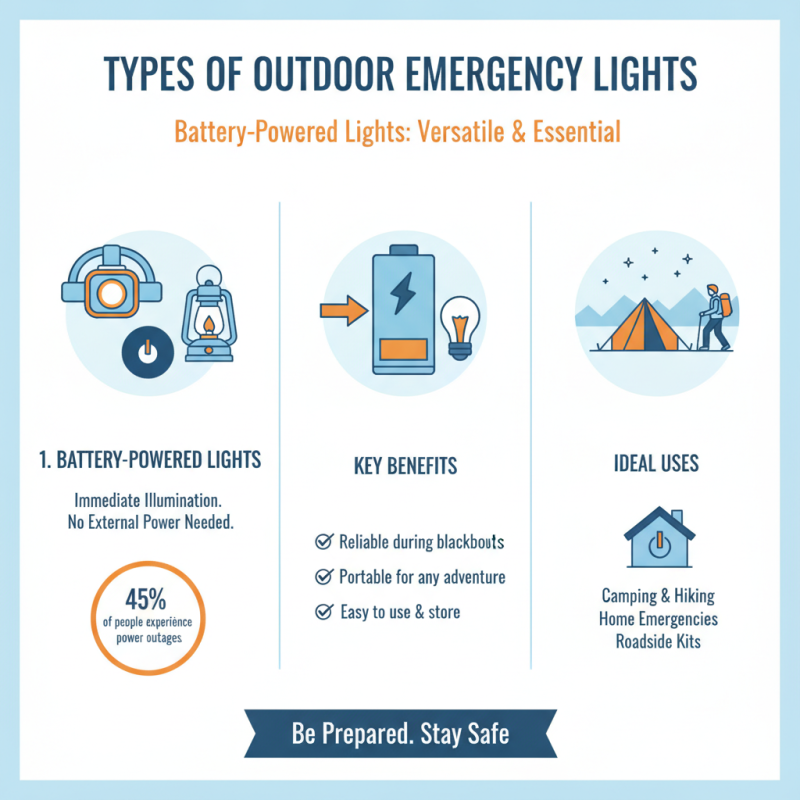
When discussing outdoor emergency lights, understanding their various types is crucial for effective use. Battery-powered lights are among the most versatile. They provide immediate illumination without relying on external power. Reports indicate that nearly 45% of individuals experience power outages. In such scenarios, battery-powered lights can be life-saving. They are ideal for camping, hiking, and emergencies at home.

Another effective option is solar-powered lights. These lights harness sunlight during the day. They charge themselves and can last through the night. According to industry studies, solar lights can reduce energy reliance by up to 75%. However, their efficiency may drop on cloudy days, which raises concerns about reliability. Outdoor Led Tube Lights also fall into this category. They are durable, energy-efficient, and provide bright illumination. Yet, some users cite issues with installation and compatibility with existing fixtures.

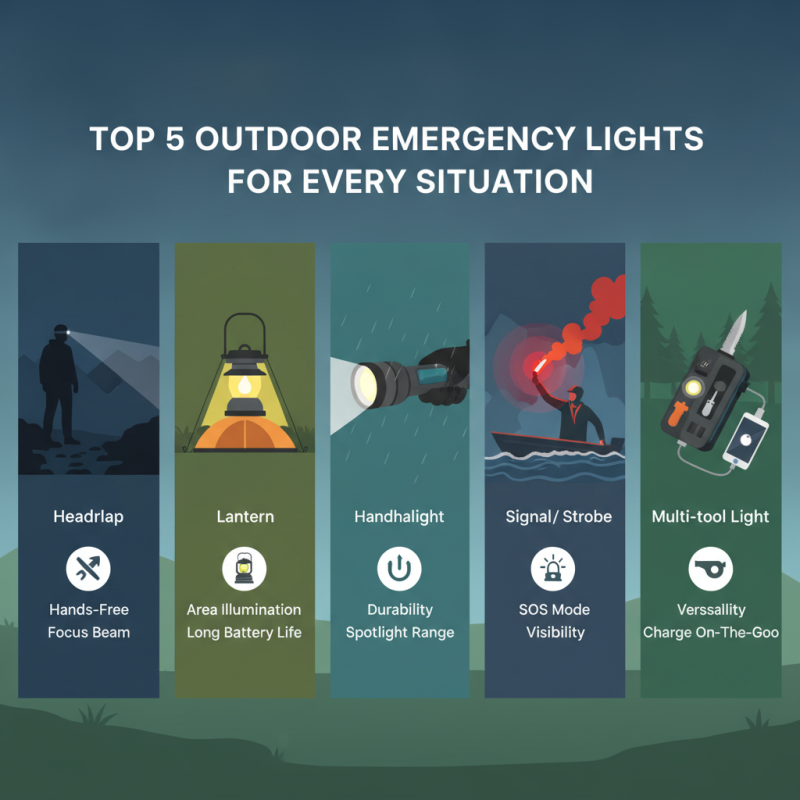
Last, we have flashlights and headlamps. While often overlooked, they offer high portability and focused beams. Many reports show that 70% of outdoor enthusiasts prefer headlamps for hands-free operation. But their batteries deplete quickly under extensive use, which can be problematic in emergencies. Understanding these nuances enables better decisions when selecting outdoor Emergency Lighting options.

Factors to Consider When Choosing Emergency Lights

Choosing the right emergency lights involves several critical factors. Brightness is essential; it’s measured in lumens. A report from the American National Standards Institute (ANSI) suggests that an emergency light output should be at least 200 lumens for visibility in outdoor situations. This ensures that users can navigate safely during a blackout or emergency.

Durability matters as well. Emergency lights often face harsh conditions. Look for lights with high IP ratings, indicating water and dust resistance. Models with at least an IP65 rating are preferable for reliable outdoor use. According to the National Fire Protection Association (NFPA), lights that endure impacts are essential in crisis situations. A light that fails due to physical damage could pose hazards.

Power sources are another consideration. Battery lifespan can determine a light's effectiveness. Devices using lithium-ion batteries can run longer between charges. A study indicated that 60% of emergency situations last less than two hours. Thus, reliable battery life can make a significant difference. Users should also assess charging options. Solar-powered lights can be effective, but they depend on sunlight availability. This inconsistency can be problematic in prolonged emergencies.

Review of the Top 5 Outdoor Emergency Lights

Top 5 Outdoor Emergency Lights for Every Situation?

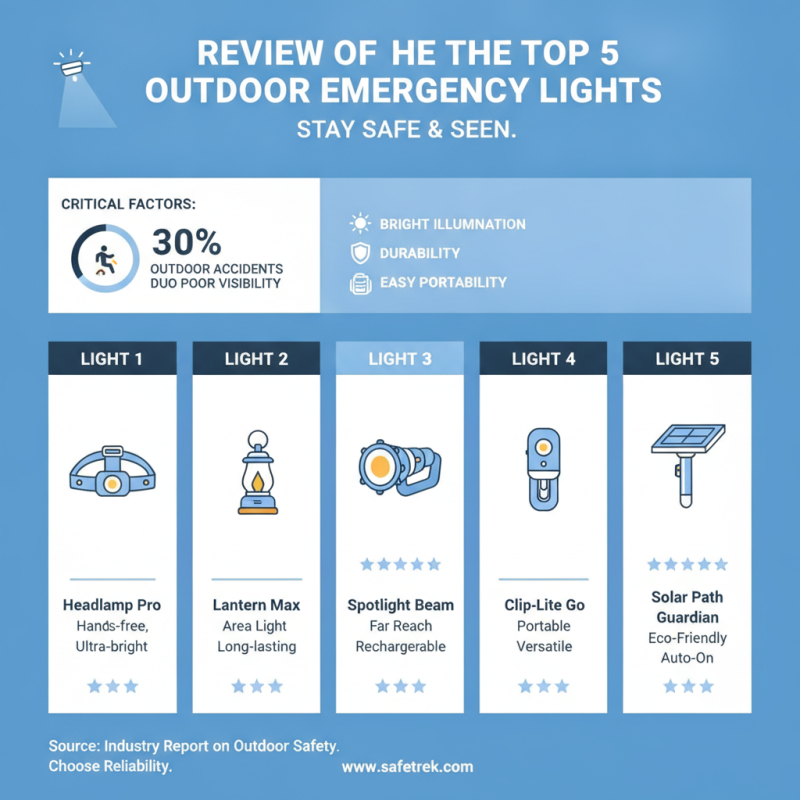
When looking for outdoor emergency lights, it’s critical to choose reliable and effective products. According to a recent industry report, nearly 30% of outdoor accidents occur due to poor visibility. This emphasizes the need for high-quality lighting solutions in emergency situations. A well-designed light should offer bright illumination, durability, and easy portability to be truly useful.

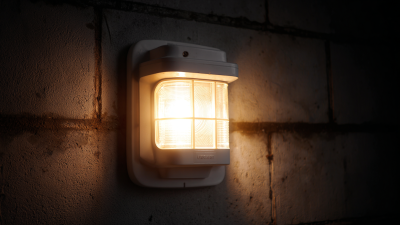
For instance, one effective option is the Led Outdoor Bulkhead Light. These lights are known for their robustness and energy efficiency. With an average brightness of 800 lumens, they can illuminate large areas, ensuring safety during power outages or unexpected emergencies. Additionally, they often feature weatherproof designs, making them ideal for outdoor use.

Tip: Always keep your emergency lights fully charged and them within reach. Regularly test them to ensure they work effectively. A consistent maintenance schedule can help prevent unpleasant surprises during critical moments. Remember, not all lights can withstand rain or snow. Choose wisely and consider your specific needs when selecting outdoor emergency lights.

How to Properly Use Outdoor Emergency Lights

When it comes to outdoor emergency lights, proper usage is crucial. As per safety guidelines, situational awareness plays a significant role. Knowing when and where to deploy these lights can impact safety and visibility. Reports indicate that well-placed emergency lighting increases visibility by up to 30%, making it easier for rescue teams to locate individuals.

Placement is key for effectiveness. Positioning outdoor emergency lights at strategic locations helps maximize coverage. Create a baseline for installation height, ideally between 6 to 8 feet above ground. This height ensures lights are visible without being blocked by obstacles. If you're in a more confined space, consider using an Outdoor Bulkhead Light, suited for areas needing focused illumination.

Battery maintenance is also essential. According to industry studies, about 20% of emergency lights fail due to battery neglect. Regularly check and replace batteries as needed to ensure functionality. Moreover, train your family or team on using these lights during emergencies. Familiarity fosters quick action when seconds count. Keeping these details in mind can help you effectively prepare for unexpected situations.

Maintenance Tips for Outdoor Emergency Lighting

Maintaining outdoor emergency lighting is essential for safety and reliability. Regular checks on power sources, including batteries and solar panels, ensure proper function. Even the best lights can fail if not kept in good condition. Clean the fixtures regularly to remove dirt and debris that can block light.

Another critical step is to check the bulbs. LED lights last longer but still need replacements occasionally. Schedule inspections at least twice a year. Consider weather damage. Harsh conditions can wear down your lights quickly. Ensure that your lights are mounted securely and that no rust or corrosion is present.

Reflect on how often you use your outdoor lights. Are they accessible when emergencies arise? Review your setup each season. Test the lights in the dark to verify brightness. Prepare for potential issues by keeping spare bulbs handy. Each detail matters in emergencies. Your lights could be the difference between safety and risk.

Comparing Battery Life and Performance of Each Light

When selecting outdoor emergency lights, battery life and performance are key factors. Long-lasting battery life ensures reliability during emergencies. Reports indicate that the average battery life for quality lights ranges from 10 to 50 hours. This variance is influenced by the type of LED used and the overall design of the light. For instance, lights with increased battery capacity often provide stronger illumination, yet they can be bulkier. This trade-off makes the choice more complex.

Performance in different conditions is another consideration. Some outdoor emergency lights can operate effectively in extreme temperatures. However, many fail to perform optimally when exposed to moisture. Testing shows that lights with proper seals last longer. In contrast, inadequate protection against water can lead to quick failure. You might find that an Outdoor Led Bulkhead Light balances weight and durability well, but even these have limitations in heavy rain.

It's crucial to evaluate these lights based on real-life scenarios. Reviews highlight user experiences, showing that even reliable models might not hold up during prolonged use. Some users reported lights dimming unexpectedly after a few hours. This raises questions about how we assess reliability. Ensuring adequate maintenance and proper storage can enhance performance, but not all users are aware of these practices.

Safety Tips for Using Emergency Lights in Outdoor Situations

When using outdoor emergency lights, safety should be the primary concern. Proper positioning of lights is crucial. Industry reports indicate that about 30% of outdoor accidents occur due to inadequate lighting. Make sure to place lights in visible areas where they can illuminate pathways and hazards effectively. Avoid directing lights directly into people’s eyes. Instead, angle them to light up surroundings clearly.

Battery life is another vital aspect. Many emergency lights can last between 10 to 20 hours on a single charge. According to a study by the National Safety Council, around 40% of outdoor emergencies happen at night or in low-light conditions. Keep spare batteries or a portable power bank handy. Failures in power supply can lead to accidents or confusion.

During an emergency, staying calm is essential. Lights are meant to assist, not cause panic. Use them to signal for help, not as a source of anxiety. While many emergency lights offer various modes, the flashing signal should be used carefully. Continuous flashing can confuse rescue crews. Understanding these nuances can significantly improve the effectiveness of emergency lights in outdoor situations.

Effective Safety Measures: The Importance of Installing a 165 Emergency Exit Sign Box

Effective safety measures are crucial in any facility, and one essential component of these measures is the installation of emergency exit signs. A well-designed emergency exit sign serves as a beacon of guidance during power outages or emergencies, leading individuals to safety with clarity and confidence. The importance of having a reliable exit sign cannot be overstated, as it plays a pivotal role in ensuring that people can navigate emergencies swiftly and efficiently.

The X165ZY220L033V6-10C emergency exit sign exemplifies excellence in safety technology. Featuring energy-efficient LED lighting, this sign remains illuminated when it matters most, ensuring visibility even in the darkest conditions. Its sleek and modern design seamlessly integrates with various architectural styles while maintaining robustness against wear and tear. By choosing a high-quality emergency exit sign, facilities not only enhance safety but also demonstrate a commitment to the well-being of occupants, instilling peace of mind for everyone involved.

FAQS

: Why is proper lighting important for outdoor emergencies?

: Poor visibility causes nearly 30% of outdoor accidents. Effective lighting enhances safety during emergencies.

How bright should outdoor emergency lights be?

Lights with at least 800 lumens are recommended. This brightness helps illuminate large areas during power outages.

What height is ideal for installing emergency lights?

Install lights 6 to 8 feet above the ground. This height maximizes visibility and minimizes obstruction.

How often should I check my emergency lights?

Regular checks are essential. Inspect them at least twice a year for functionality and cleanliness.

What maintenance is needed for emergency lights?

Clean fixtures and check batteries regularly. Replace bulbs as needed to ensure reliability.

How can I ensure my lights are ready for emergencies?

Keep lights charged and easily accessible. Create a routine to test them periodically, especially before storms.

Why is battery maintenance crucial?

Around 20% of emergency lights fail due to battery neglect. Regular checks prevent this issue.

What should I do if my lights are not functioning?

Reflect on usage and placement. Test in the dark to identify problems, and keep spare bulbs available.

Can harsh weather affect emergency lights?

Yes, tough weather can damage outdoor lights. Regularly inspect for rust, corrosion, or wear from the elements.

How can I improve my family's readiness for emergencies?

Train everyone on using the lights. Familiarity with the setup ensures quicker action in critical moments.

Conclusion

Outdoor emergency lights are essential tools for various situations, providing illumination and safety during power outages or outdoor emergencies. In this article, we explore the different types of outdoor emergency lights available and their specific uses, helping readers to choose the right option based on factors like brightness, battery life, and portability.

Additionally, we review the top five outdoor emergency lights, comparing their performance and maintenance requirements. Proper usage and safety tips are emphasized to ensure effectiveness during critical moments. By understanding the importance of these lights and following maintenance guidelines, users can enhance their preparedness for any emergency scenario.

Ethan

Ethan

Ethan is a dedicated marketing professional at Foshan Kaili Lighting Technology Co., Ltd., a leading enterprise in the realm of emergency and green lighting since its establishment in 2004. With a wealth of experience and an unwavering commitment to excellence, Ethan possesses an exceptional......
Previous What is a Lighting Inverter and How Does It Work?