Picking the right Ceiling Light for your home isn't just a small detail — it's pretty important. I remember John Smith, a lighting designer over at Bright Spaces, once said, "A perfect ceiling light can totally transform a room." And honestly, he’s not wrong. A good light fixture can really boost the vibe and even make the space more functional.
When you're shopping around, you'll notice ceiling lights come in all styles — some are sleek and super modern, while others lean more classic or traditional. The trick is to pick something that matches your home's overall vibe. And hey, don’t rush it! Think about how big your room is and what you’ll mainly use it for. For instance, a huge chandelier might be way too much in a small room, and a simple flush mount might not give you enough light in a big, open space.
What a lot of folks don’t realize is how much ceiling lighting can actually influence the mood of a room. It can make a space feel cozy and warm or cold and a little sterile if you’re not careful. So, take a moment to think about what you really want — is it just about looking good, or do you need practicality too? Striking that balance can be a bit tricky. Also, consider how the light fits with your decor, but don’t forget about energy efficiency and bulb choices. All in all, your ceiling light should reflect your style but also suit your everyday needs.
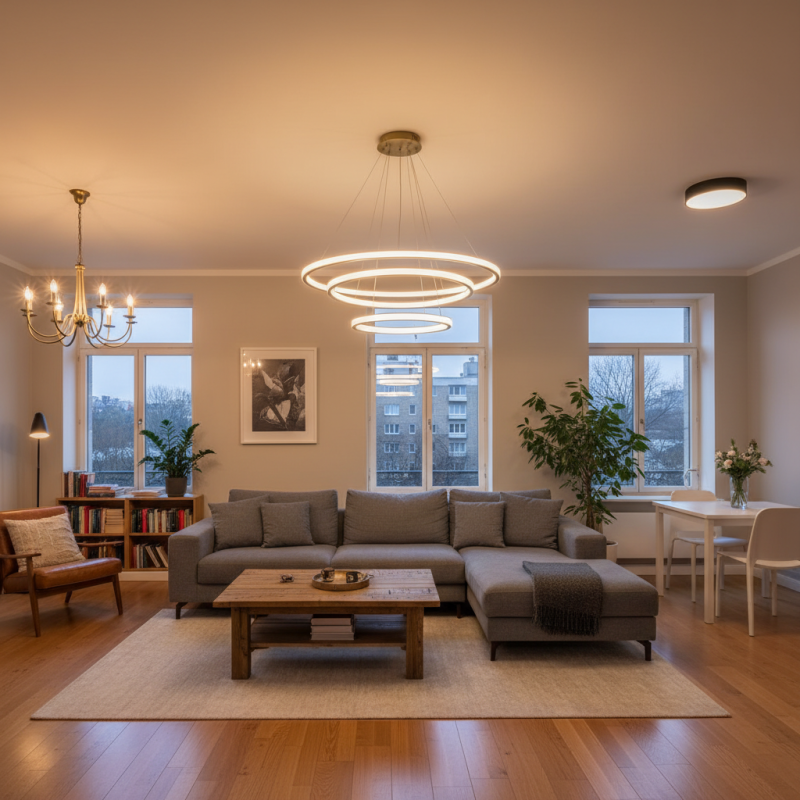
Choosing the right ceiling light involves understanding the various types available for home use. Ceiling lights come in several styles, including flush mounts, chandeliers, and pendant lights. Flush mount fixtures sit close to the ceiling. They are ideal for rooms with low ceilings. They provide even light distribution without overwhelming the space.
Chandeliers add elegance. They are suitable for dining rooms or entryways. Studies suggest that well-placed chandeliers can increase a home’s perceived value by up to 20%. Pendant lights, on the other hand, are versatile. They can create a focal point in kitchens or living rooms. Reports indicate that pendant lights can enhance the ambiance when used over kitchen islands.
Not all ceiling lights are created equal. Some designs may not provide sufficient lighting for larger spaces. A common mistake is choosing fixtures without considering room layout. It's crucial to think about both aesthetics and functionality. Adjustable fixtures can offer flexibility in lighting, which is often overlooked. Homeowners should also reflect on energy efficiency. LED options have become more popular. They last longer and reduce energy bills.
When choosing the right ceiling light, room size and height are crucial factors. A larger space needs adequate lighting to prevent shadows or dark corners. According to a report by the Lighting Research Center, a room should receive 20 lumens per square foot for effective illumination. An average living room of 300 square feet needs about 6,000 lumens. This calculation helps in selecting fixtures that meet your lighting needs.
Ceiling height plays a vital role as well. For spaces with low ceilings, flush mount lights are ideal. They save space and provide even light distribution. In contrast, high ceilings can benefit from pendant lights or chandeliers, which add drama to the decor. However, hanging fixtures must be assessed carefully. The height should be such that they don’t obstruct views or create hazards. Experts suggest keeping pendants at least 30 inches above a table.
The choice of color temperature also affects how light is perceived in a room. Warmer tones can make a space feel cozy, while cooler temperatures can create a more energetic ambiance. However, not all rooms suit every color temperature. Sometimes, personal preference leads us astray. Consult with a design professional to ensure your choices align with the intended atmosphere of the space.
Choosing the right ceiling light can transform your home. Different styles convey unique atmospheres. Modern fixtures often feature clean lines and minimalistic designs. They work well in contemporary spaces. Traditional styles may include ornate details and classic shapes, adding elegance to any room. Transitional fixtures blend both styles, offering versatility.
Consider your space's existing decor when choosing a light. A modern fixture in a traditional room may feel out of place, while traditional lights might overwhelm a minimalist setting. Pay attention to the size and scale of the fixture. A too-large light can dominate the room, and a small light might disappear. Balance is key.
Tips: Look for fixtures that highlight the best features of your room. For instance, an eye-catching chandelier can draw focus. Avoid overcrowding the ceiling with multiple lights, which can create a cluttered feel. Also, think about the color temperature of the bulbs. Warmer tones can make a space feel cozy, while cooler tones offer a more energetic vibe. Reflect on how each choice impacts the overall ambience.
When it comes to ceiling lights, energy efficiency is crucial. LED bulbs have become popular for many reasons. These bulbs consume less power and last significantly longer than traditional incandescent options. The savings on electricity can be substantial, especially in larger homes with multiple light fixtures.
However, not all LED lights are created equal. Some might not provide the warm glow many people prefer. The initial cost of LEDs can also be higher than conventional bulbs. It's essential to consider the long-term benefits versus the upfront expenses.
Additionally, there are practical aspects to keep in mind. The brightness and color temperature of LEDs vary widely. Finding the right kind for your space may require testing a few options. For instance, cooler shades work well in kitchens, while warmer ones create cozy atmospheres. Choosing the right ceiling light involves more than just energy efficiency; aesthetics and functionality must also be considered.
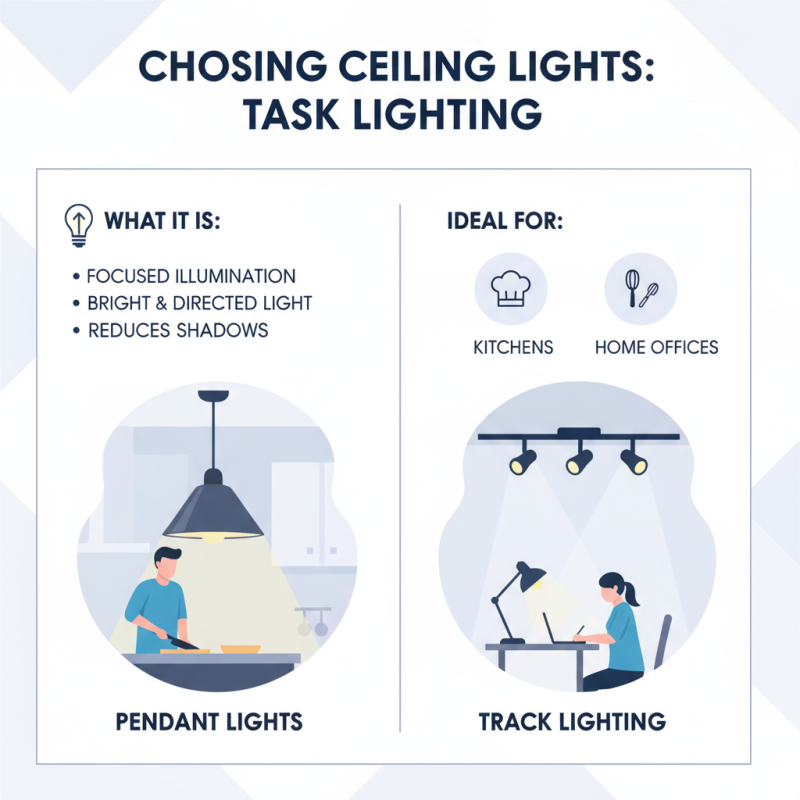
Choosing the right ceiling light for your home involves understanding the type of lighting you need. Task lighting is essential for work areas. It should be bright and focused, ideal for kitchens or home offices. A pendant light or a track lighting system may work well here. Make sure it illuminates your workspace without casting shadows.
Ambient lighting sets the mood in a room. Consider softer fixtures that provide gentle, even illumination. Chandeliers or flush mounts can create a warm atmosphere. They encourage relaxation, making them perfect for living rooms and bedrooms. Think about dimmers for added versatility; they can change the light's intensity and feel.
Accent lighting adds drama to specific areas or features. Use wall sconces or spotlights to highlight art or architectural details. However, placement can be tricky. Too bright can overwhelm; too dim may not attract attention. Finding the right balance is key. Explore different angles and heights, reflecting on what achieves the desired effect in your space.
When selecting ceiling lights, color temperature is crucial. It determines the mood of your space. Color temperature is measured in Kelvin (K). This influences how warm or cool the light feels. For cozy settings, opt for warmer lights between 2700K and 3000K. This range mimics natural light, promoting relaxation. Conversely, cooler temperatures around 4000K to 5000K are ideal for work areas. They enhance focus and alertness.
Reports from the Lighting Research Center indicate that the right color temperature can improve well-being and productivity. For instance, warm lighting is preferred in living areas, while cooler tones are useful in kitchens and offices. Switching between these temperatures can create a dynamic atmosphere.
Tip: Test different bulbs before making a decision. Purchase a few color temperatures. Observe how each light changes your room's feel. You may be surprised by your preferences. Lighting can impact mood more than you realize. Consider how you want to feel in each room. Take your time experimenting. Small adjustments can create a big difference.
When budgeting for your ceiling light, consider both the cost of the fixture and installation expenses. Prices vary widely, from budget options to high-end designs. A simple flush mount can be economical, while a chandelier may stretch your budget. Measure your space carefully. Size matters. You don’t want a small light in a large room; it will look disproportionate.
Installation can add significantly to your total expenses. Hiring an electrician ensures safety but can be costly. Some fixtures are easy to install yourself, reducing costs. Research the complexity of the installation before purchasing. If you're not handy, it may be wiser to factor in professional help. Keep in mind, each decision can impact the overall effect.
Think about long-term costs too. Energy-efficient models may cost more upfront but save money over time. Mixing styles can create unique looks, but it might go over budget. Aim for a balance that suits your taste and financial limits. Each choice should feel right, not rushed. Reflect on functionality versus style. It's all about making your space truly yours.
: You can recycle paper, cardboard, metal, and certain plastics. Check local guidelines for specifics.
Clean and dry items before recycling. Remove any labels or non-recyclable parts.
Yes, items like plastic bags, straws, and greasy pizza boxes often cannot be recycled.
Recycling conserves resources, reduces waste, and lowers carbon emissions. It supports a sustainable future.
Many areas have specific e-waste recycling programs. Research local options for disposing of electronics properly.
Mixing recyclables with trash can contaminate the whole batch, leading to more waste in landfills.
As often as possible. Make it part of your routine to minimize waste regularly.
Not necessarily. Sometimes reducing or reusing items first is a better choice for sustainability.
Share information about recycling benefits. Organize community clean-up events or workshops for education.
Increased landfill waste and resource depletion. It can harm the environment and wildlife.
Choosing the right ceiling light for your home involves several key considerations to ensure both functionality and aesthetics. Begin by understanding the various types of ceiling lights available, such as flush mounts, chandeliers, and pendants, to determine which best suits your needs. Assessing the size and height of your room is essential, as it influences the scale of the fixture you select.
Next, consider the style of your home—whether modern, traditional, or transitional—to ensure the ceiling light complements your decor. Energy efficiency is another significant factor; opting for LED bulbs over traditional options can help reduce energy costs. Additionally, think about the functionality of the lighting—do you need task, ambient, or accent lighting? Lastly, selecting the right color temperature can create the desired mood in your space, while budgeting appropriately for both the light fixture and installation will ensure a smooth process.