Leave Your Message
In a crowded building, seconds can be the difference between a calm exit and full-blown panic. Emergency exit signs give people something visible to follow when the normal routine suddenly breaks down. They glow above doors, along corridors, and by stairwells—especially when you can't see much of anything. Smoke can swallow familiar landmarks in moments. A clear sign turns into a simple instruction: take this route. And that matters in offices, schools, hotels, warehouses, public venues... you name it.
From what I've seen reviewing workplace evacuation plans, little things often shape real decisions. A sign hidden behind a banner? It may fail right when it's needed most. A dim panel, a confusing arrow, or a door that looks locked can make people hesitate. Most people aren't going to read evacuation plans during an emergency. They look for something visible to guide them. Safety engineers and facility managers think about placement, brightness, viewing distance, and battery performance. They also check inspections against manufacturer instructions and local requirements. It's a practical approach—one that supports dependable emergency planning without pretending protection is perfect. No inspection is flawless. Small failures matter.
Emergency exit signs aren't decorative equipment. They're part of a bigger life-safety system: alarms, Emergency Lighting, training, accessible routes. But signs alone can't fix poor maintenance or blocked exits. That's a limitation worth being honest about. Regular checks should confirm arrows point the right way, illumination stays visible, and doors open as they're supposed to. Records help organizations spot repeated failures and fix them before something happens. A thoughtful intro to emergency exit signs has to recognize both their value and their limits. When design, inspection, and human behavior line up, people get a clearer path through confusion. And that clarity can save critical seconds.
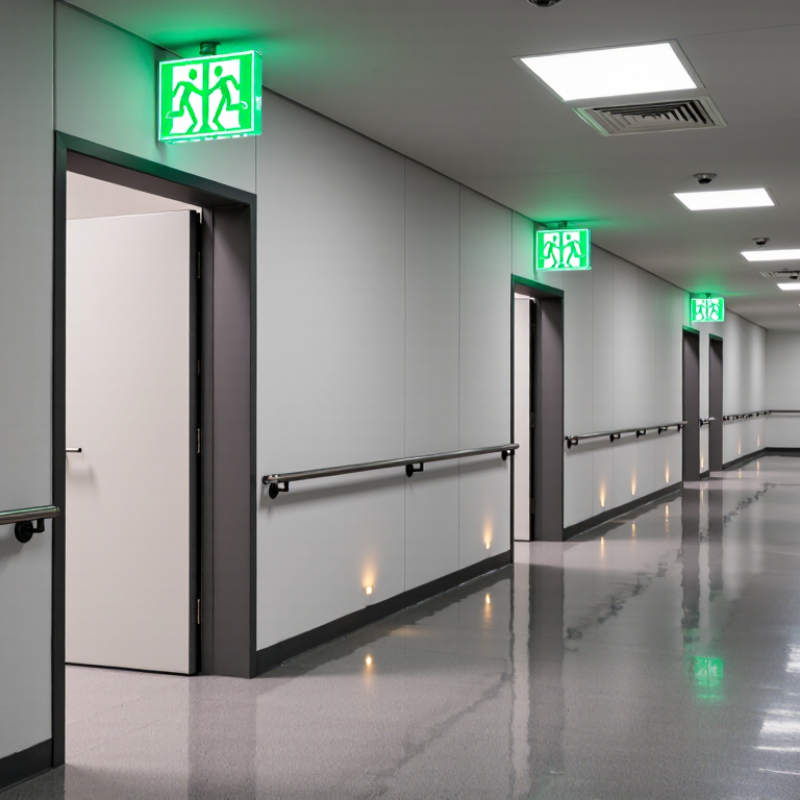
Emergency Exit Signs are safety markers that identify the approved route during fire, smoke, power failure, or panic. Their purpose is simple: make the path visible, understandable, and usable under pressure. A glowing arrow above a doorway can prevent hesitation when familiar corridors suddenly look different. That moment matters. The National Fire Protection Association’s Fire Loss in the United States During 2023 reported 1,504,500 fires and 3,670 civilian fire deaths. These figures do not measure sign performance directly, but they show why evacuation planning cannot be treated as decoration.
Exit signs must remain visible, correctly positioned, and supported by reliable power. OSHA 29 CFR 1910.37 requires exit routes to be adequately lighted and marked with visible signs. Exit Signs And Emergency Lights work together, but they serve different functions. The sign identifies the exit and direction. Emergency lighting reveals stairs, floor edges, door handles, and obstacles after normal lighting fails. A clear pictogram also helps visitors who cannot read the local language. Maintenance is part of the definition in practice. A dark battery indicator or blocked sign changes a safety device into background clutter.
During inspections, small failures often appear: boxes cover arrows, dust dims panels, and glare hides symbols. Routine checks can catch these problems, while documented testing supports accountability. Still, checking is not the same as proving. A realistic evacuation drill may expose poor sightlines, confusing doors, or an arrow leading toward a locked passage. That uncomfortable finding is useful. A drill can reveal what a drawing never shows.
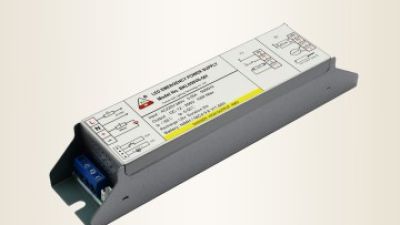
The BKL059V6-QH Emergency Converter provides dependable backup lighting for critical applications where visibility and continuity matter most. When a power interruption occurs, it helps keep compatible emergency fixtures operating, supporting safer movement through offices, commercial buildings, public facilities, and residential spaces. Its practical design makes it suitable for planned installations as well as unexpected outages.
Built for reliable performance, this emergency converter helps transform standard lighting systems into a more resilient solution without requiring a complete lighting replacement. It is designed to work with compatible fixtures and deliver consistent emergency illumination when normal power is unavailable. By maintaining essential lighting during interruptions, it can help improve occupant awareness, support orderly evacuation, and reduce disruption to important activities.
The BKL059V6-QH is also a convenient choice for installers and facility managers seeking a versatile power backup component. Its robust construction is intended for dependable operation in demanding environments, while its compact format can simplify integration into suitable lighting equipment. Whether used in workplaces, apartment buildings, retail areas, or other critical spaces, it offers a practical way to strengthen emergency lighting readiness.
They show people where to move when smoke, darkness, or panic makes familiar hallways confusing. A bright sign above a doorway offers a quick visual reference. It can reduce hesitation, especially for visitors.
Place them directly above emergency exits and along routes leading toward those exits. Add signs at corridors, intersections, stairwells, and direction changes. Every important landing should remain easy to identify.
Strong contrast, suitable brightness, and a clear viewing angle improve recognition. Keep signs away from beams, decorations, storage, and tall furniture. A dusty cover matters.
An arrow should guide people toward a real, accessible escape route. A nearby sign may be misleading if its door stays locked or does not lead outside. Placement needs careful checking.
Inspect visibility, illumination, emergency batteries, damage, dirt, fading, and nearby obstructions. Walk the full route from different angles and eye levels. Viewpoints change.
They can support wayfinding during power loss, but they need suitable light to charge. They should not replace illuminated signs where safety requirements require them. Check the whole system.
Drills help people recognize symbols before stress affects their judgment. Staff should practice alternative routes, assembly areas, and support for people with mobility needs. A sign alone cannot manage an evacuation.
Signs cannot remove smoke, unlock doors, or guarantee that people will choose correctly. Relying on them alone may create false confidence. Regular drills and route inspections remain necessary.
Emergency Exit Signs are essential safety tools that guide people toward safe routes during fires, power failures, structural emergencies, and other unexpected situations. Their primary purpose is to make exits easy to identify, reduce confusion, and support a calm, orderly evacuation. Effective signs should be clear, well-placed, highly visible, and designed with recognizable symbols, strong contrast, and suitable illumination. They should be installed above or near emergency doors, along corridors, at stairways, and wherever changes in direction could cause uncertainty.
The reliability of Emergency Exit Signs depends on following applicable safety rules and building standards, selecting suitable locations, and keeping escape routes unobstructed. Regular inspections, functional tests, battery checks, and cleaning are necessary to ensure signs remain visible and operational during both normal conditions and power outages. Proper maintenance also helps identify damaged components, weak lighting, or blocked signs before an emergency occurs. Together, thoughtful installation and routine testing improve evacuation awareness and help protect occupants in many types of buildings.





 Phone
 Send Email
 whatsapp