Leave Your Message
Honestly, choosing a Chinese manufacturer for Led Batten Lights is about way more than just comparing unit prices. You’ve got to think about product quality, technical support, production capacity, and communication. A bright sample might look great, but it can’t really show how a fitting holds up after months in a warehouse or corridor.
Alright, so this guide basically walks you through ten Chinese manufacturers, and it also covers what you should look at before asking for a quote. The comparisons are all about the practical stuff—housing materials, lumen output, color temperature, driver options, warranty terms, and how much you can customize. No fluff, just the details you’d actually care about. If you’ve got a project that needs adjustable brightness, then it’s worth asking specifically about a Dimmable Led Batten Light—and don’t just stop at the fixture itself. Ask about compatible controls and the actual dimming range, too. Clear specs matter, sure. But so do consistent answers—you don’t want to hear one thing from sales and another from the datasheet.
Sure, company websites and catalogs are a good starting point—they help you narrow things down. But honestly, they only tell part of the story. You’ll want to ask for current datasheets, sample photos, and any relevant test data. And don’t just take their word for it—double-check that the specs they quote actually match what you’re ordering. It’s also worth finding out whether the supplier can walk you through installation conditions and actually support you after delivery. None of this guarantees you’ll end up with the perfect partner, but it does make sketchy claims a lot easier to catch. And hey, no shortlist is perfect, right? Look, manufacturing details and service levels can shift over time, and that great first conversation you had doesn't always mean day-to-day will be the same. So think of this top-ten list as a rough starting point—definitely don't treat it as a replacement for doing your own digging. At the end of the day, the right pick really depends on what you're building, how much work you're pushing through, your budget, and the kind of support your team actually needs.
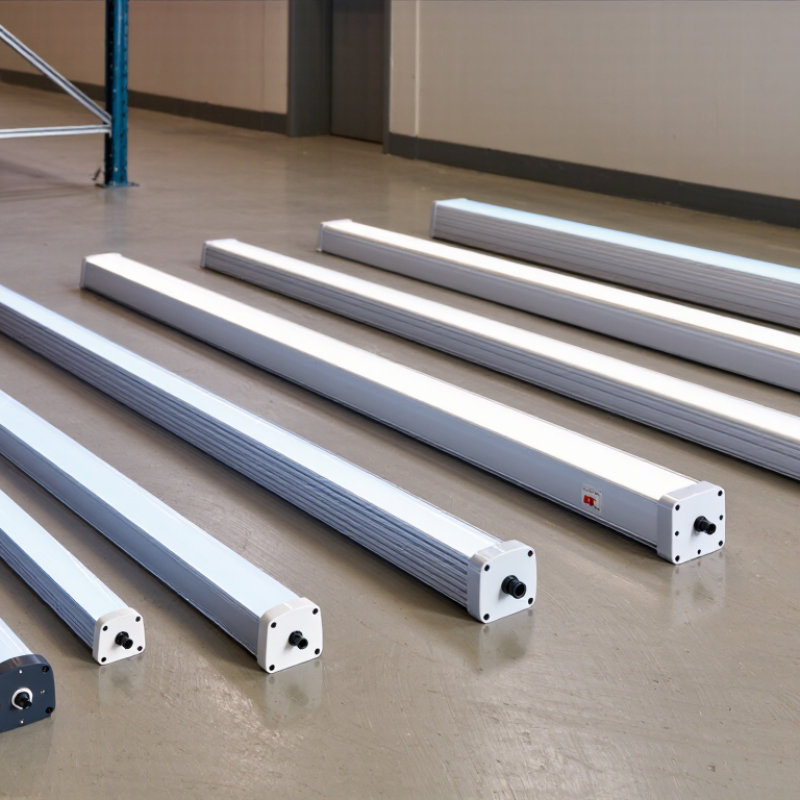
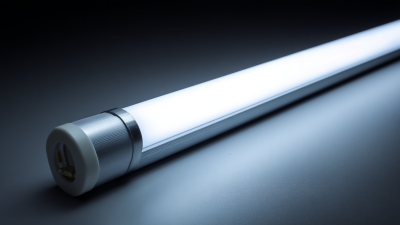
An LED batten light is a slim, linear fixture that spreads light across a broad area. Its simple shape suits corridors, workshops, garages, kitchens, warehouses, and utility rooms. Many models mount directly on ceilings or walls; suspended versions can illuminate higher workspaces. The U.S. Department of Energy’s Energy Saver guidance says LEDs use at least 75% less energy and last up to 25 times longer than incandescent lighting. This is a broad LED comparison, not a guaranteed saving for every batten installation. A useful benchmark.
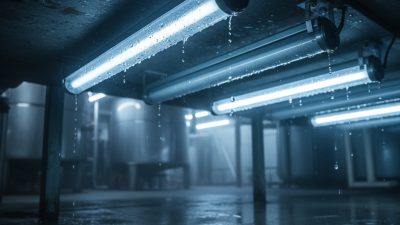
Choosing a fixture still requires attention to details. Check brightness, color temperature, glare control, and whether the light output suits the room’s tasks. In a workshop, for example, a dim or uneven fixture can leave shadows across a workbench. For damp or dusty areas, a Waterproof Led Batten Light may be suitable, but verify its stated ingress-protection rating and installation conditions. A waterproof label alone tells little. One easy mistake is selecting by wattage rather than delivered light and beam spread. Batten lights are practical, though not automatically comfortable; poorly placed fixtures can cause glare, and the right spacing often needs a site check.
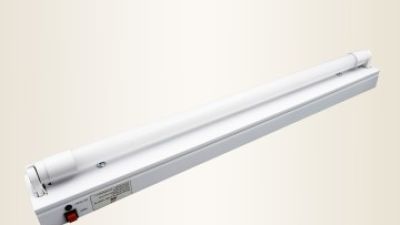
A 0.6 m T8 surface-mount batten is a practical option where a recessed fitting is unsuitable or ceiling space is limited. Before installation, check the available mounting area, tube length, supply connection and the light level needed for the room; kitchens, corridors, utility areas and small workspaces may have different requirements. The International Energy Agency has estimated that lighting accounts for around 15% of global electricity consumption, making efficient lighting choices relevant to energy use. Actual savings depend on the existing fitting, operating hours and the LED’s specifications, so compare verified lumen output and power consumption rather than relying on wattage alone.
The T8 0.6m Standard Bracket Light is available in two configurations: the General Lighting Bracket Light (GBLBT8Z09) and the Emergency Bracket Light (GLBT8ZY09). Both are supplied with matching DC tubes to simplify replacement and maintenance. Choose the general-lighting model for routine illumination, or consider the emergency model where Backup Lighting is required; confirm its emergency operating details and installation requirements before purchase. The U.S. Department of Energy notes that LED lighting can use at least 75% less energy than incandescent lighting, but this is not a direct comparison with every fluorescent fitting. For a fair assessment, compare the proposed unit with the lighting currently installed and follow the product instructions during mounting and servicing.
Components may come from separate specialists. These include diffusers, aluminum housings, drivers, LED chips, and packaging. This structure supports production scale, but handoffs can create gaps.
Ask who owns the design and who performs the final inspection. Also check wiring, thermal design, and aging or electrical tests. Small details matter.
A trading firm may coordinate orders across several factories. This can simplify communication, but it makes factory-level checks more important. Ask where final assembly happens.
Compare wattage, lumen output, beam spread, housing material, and fixture length. A 1.2-meter light may suit a warehouse aisle. A shorter model may fit a corridor.
Not always. Outdoor models may need different sealing and housing choices. Check the exact model’s materials and specifications.
Request current documents matching the exact product model and installation market. Ask who performed the tests and whether they cover electrical safety and light performance. A certificate alone is not the whole story.
No. A sample can help you inspect the diffuser, wiring, and finish. One sample is not proof. I would still ask about batch testing and traceability.
Confirm lead times, spare-part availability, and technical response times in writing. Compare specifications, verified documents, and service terms side by side. Some omissions are easy to miss.
This article explains what a Led Batten Light is and why it is commonly used in offices, schools, warehouses, retail spaces, and other commercial or industrial settings. It also outlines how China’s LED batten light industry is structured, from product design and component sourcing to manufacturing, testing, and export services. To identify leading manufacturers, the article considers factors such as production capability, product range, quality control, certifications, customization options, and customer support.
The article then profiles ten notable manufacturers without focusing on brand promotion, highlighting how suppliers may differ in product specifications, performance, certifications, and service models. It concludes with practical guidance for choosing a Chinese supplier, including how to assess lighting requirements, compare product documentation and quality standards, confirm customization and delivery capabilities, and evaluate communication and after-sales support. These points help buyers make informed comparisons and select a supplier suited to their project.




 Phone
 Send Email
 whatsapp