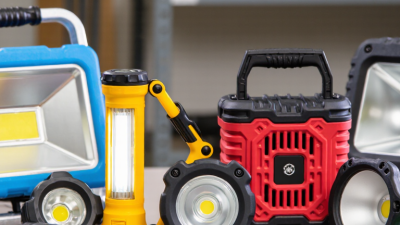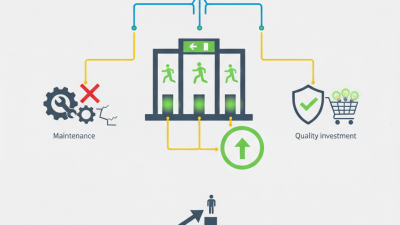
Buying Emergency Fire Lights isn’t just about picking the brightest lamp you can find. Sure, a corridor might look well lit—but a blocked exit sign or a weak battery can still slow an evacuation down. That’s why buyers really need to look at visibility, battery duration, charging time, beam distribution, IP rating, self-testing features, and how easy the unit is to maintain. Installation conditions matter too. A dusty warehouse needs very different protection from a clean office hallway.
Gary Fenton, an emergency-lighting specialist with Eaton, put it simply: “Emergency Lighting must be dependable when normal lighting fails.” Sounds obvious, right? But it gets overlooked all the time. A product can look great in a showroom and then struggle after years of heat, vibration, or skipped testing. This guide, “Top 10 Emergency Fire Lights Buyers Should Know,” is about practical decisions—not flashy packaging. It compares maintained and non-maintained fittings, exit signs, bulkhead units, spotlights, and portable options. It also looks at replacement parts, inspection records, warranty support, and total ownership cost. Brand reputation helps, of course, but it can’t replace real evidence.
It’s worth pausing here. A lower purchase price might mean more maintenance work later. A longer runtime might mean a bigger battery and a more complicated installation. Buyers should confirm specs with manufacturers like Eaton, Philips, or Legrand, then check local safety requirements with qualified professionals. No single light works for every building. The right choice depends on layout, occupancy, hazards, and the people who may need to find an exit fast. At floor level, every detail counts.
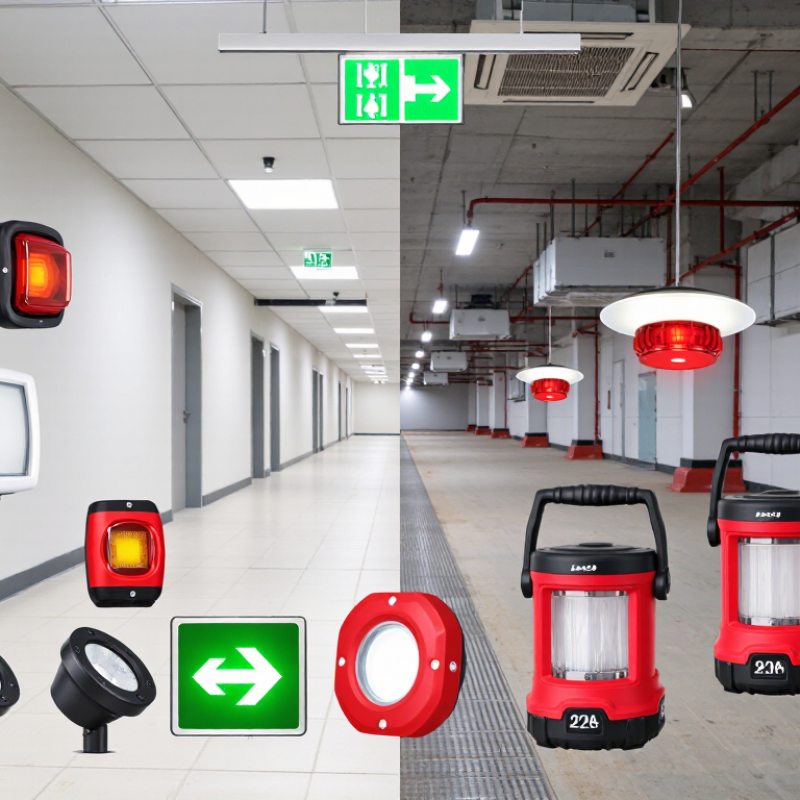
Emergency Fire Lights are battery-supported fixtures that illuminate escape routes when normal power fails. They may include corridor lamps, stairwell units, andFire Exit Lights above doors. Their purpose is simple: help people see the floor, identify hazards, and move toward a safe exit under stress.
The need is measurable. The National Fire Protection Association reported 1,388,500 fires and 3,670 civilian fire deaths in the United States during 2023. Smoke, darkness, and crowd movement can quickly reduce visibility. A working emergency light can reveal a wet floor, a blocked doorway, or the edge of a stair. Small details matter.
Buyers should check light coverage, battery duration, self-testing functions, and installation records. NFPA 101 commonly references emergency illumination of at least 1 foot-candle initially, with specific requirements depending on the application. Local codes may differ. Always verify them. A practical inspection should include a simulated power failure, visible battery indicators, and clear exit signs. Monthly checks are widely used, while longer duration tests follow the applicable standard and site policy. Do not rely on appearance alone. A clean lens can hide a weak battery. That is an easy mistake. Data sheets also deserve scrutiny, because claimed operating time may change with temperature, battery age, and load. Good equipment helps, but maintenance decides whether it works when people need it.
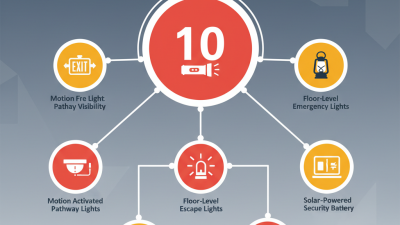
Emergency fire lights are not one product category. Buyers should compare ten practical types: maintained and non-maintained luminaires, exit signs, escape-route lights, open-area lights, high-risk task lights, fire-alarm strobes, portable beacons, weather-resistant units, hazardous-area units, and central-battery systems. Each serves a different space. Exit signs guide movement through smoke. Open-area lighting reduces panic in halls and assembly rooms. High-risk task lights support safer shutdown near machinery. Portable beacons help temporary work zones, but they cannot replace installed systems.
NFPA’s Fire Loss in the United States During 2022 reported about 1,504,500 fires and 3,790 civilian deaths. That data makes visibility a life-safety decision, not a decoration choice. NFPA 101 emphasizes illuminated egress and reliable emergency operation, while ISO 7010 supports consistent safety symbols. Buyers should check illumination levels, battery duration, viewing distance, charging time, ingress protection, and testing records. A bright lamp can still fail when dust covers its lens. Small detail. In field inspections, poor placement is common: a sign hides behind a door, or a narrow beam leaves a stair landing dark. I would not treat one lux reading as proof of safety. Review the complete escape route, simulate power loss, and match the light type to the building’s occupancy, climate, and maintenance capacity. Local code verification remains essential.
| No. | Emergency Fire Light Type | Typical Applications | Power and Operating Mode | Key Features and Selection Considerations | Relevant Guidance |
|---|---|---|---|---|---|
| 1 | Exit Sign Light | Marks final exits, fire exits, stairway exits, and changes of direction in public and commercial buildings. Wayfinding | Usually LED-based with a rechargeable battery or connection to a central emergency power system. | High-contrast exit legend, directional arrows where required, maintained or non-maintained operation, and viewing-distance requirements should be checked before purchase. | ISO 7010 safety signs, EN 1838, IEC 60598-2-22, or applicable local fire and building codes. |
| 2 | Emergency Bulkhead Light | Corridors, stairwells, loading areas, service passages, plant rooms, and general circulation spaces. General safety lighting | Commonly self-contained with an internal battery; available in maintained and non-maintained versions. | Robust housing, simple surface mounting, impact resistance, long LED life, and optional open-area or corridor optics. | IEC 60598-2-22 and EN 1838 are commonly used for emergency-luminaire performance and illumination criteria. |
| 3 | Anti-Panic Area Light | Open rooms, assembly areas, retail floors, dining spaces, and other areas where occupants need to reach a safe route without panic. Open-area lighting | LED luminaire supplied by a battery pack or central battery system during normal-power failure. | Wide light distribution, reduced dark spots, suitable spacing, and adequate illumination across the usable floor area are important. | EN 1838 commonly defines open-area emergency-lighting objectives, including minimum horizontal illuminance and uniformity. |
| 4 | Escape-Route Linear Light | Long corridors, tunnels, underground passages, airports, hospitals, schools, and multi-level escape routes. Route illumination | Self-contained battery operation or central emergency supply; often uses continuous or linear LED optics. | Designed for even illumination along the route, with attention to spacing, mounting height, obstacles, smoke conditions, and battery duration. | EN 1838 and local fire-safety regulations should be used to determine placement and illumination levels. |
| 5 | High-Risk Task Emergency Light | Areas containing dangerous machinery, cutting equipment, laboratories, industrial processes, or activities that must be stopped safely. Hazard control | Connected to an emergency supply designed to provide light for the required task-stopping period. | Higher illumination than standard escape lighting may be required; fast transfer, reliable duration, correct color rendering, and glare control are important. | EN 1838 and applicable occupational-safety requirements should be reviewed for high-risk task lighting. |
| 6 | Recessed Emergency Downlight | Offices, hotels, hospitals, schools, shopping areas, and architectural interiors where a low-profile appearance is preferred. Discreet installation | Available as self-contained LED equipment or as a luminaire supplied by a central battery system. | Flush appearance, interchangeable lenses, ceiling compatibility, discreet status indicators, and accurate photometric performance. | Installation should follow the luminaire’s fire-rating, ceiling, wiring, and maintenance requirements together with local codes. |
| 7 | Weatherproof Emergency Light | Car parks, external escape paths, warehouses, workshops, plant areas, cold rooms, and damp or dusty environments. Harsh environments | Battery-backed LED operation, typically with sealed construction and protected charging electronics. | Select an enclosure with an appropriate IP rating, impact resistance, operating-temperature range, corrosion resistance, and suitable cable entries. | The required IP and impact ratings depend on the installation environment and applicable electrical regulations. |
| 8 | Central-Battery Emergency Luminaire | Large buildings, hospitals, transport facilities, campuses, and sites requiring centralized monitoring and maintenance. Centralized system | Receives emergency power from a remote battery, inverter, or centralized emergency-power system rather than an integral battery. | Simplifies battery maintenance and testing across many luminaires; requires correctly designed fire-resistant cabling, voltage compatibility, and system monitoring. | System design must comply with the applicable emergency-power, wiring, fire-compartment, and maintenance requirements. |
| 9 | Self-Contained Emergency Light with Self-Test | Offices, apartment buildings, schools, retail premises, and smaller facilities needing automated testing. Automated maintenance | Contains its own rechargeable battery and performs scheduled functional and duration tests through an automatic test circuit. | Status indicators, fault reporting, reduced manual inspection effort, replaceable battery options, and a defined emergency duration are key considerations. | Testing intervals and records should follow local regulations and the manufacturer’s approved maintenance instructions. |
| 10 | Portable Rechargeable Emergency Light | Temporary evacuation support, maintenance work, utility rooms, emergency response, construction sites, and locations without permanent lighting. Temporary backup | Rechargeable battery-powered unit, normally charged from a standard electrical outlet and operated manually when needed. | Useful for short-term backup but should not automatically replace code-required fixed emergency lighting; check runtime, charging time, beam coverage, durability, and safe storage. | Use alongside, not instead of, permanently installed emergency lighting where building regulations require fixed equipment. |
Emergency fire lights should guide people through smoke, darkness, and power failures. Buyers should evaluate more than brightness. A bright lamp is not automatically a reliable lamp. Check lumen output, beam coverage, viewing distance, and illumination at floor level. Battery runtime matters too. Select a unit that remains active long enough for an orderly evacuation. Rechargeable batteries reduce replacement work, but their service life must be verified. Look for clear status indicators, simple testing buttons, and visible fault warnings. These small details often prevent missed maintenance.
Durable construction is equally important. Consider heat resistance, impact protection, moisture resistance, and secure mounting options. A suitable ingress rating can help in dusty or damp areas. Confirm that the housing remains visible above doors, corridors, and stairwells. Independent test reports and applicable local safety certifications provide stronger evidence than marketing claims. Facility managers should also review charging time, replacement parts, inspection records, and warranty conditions. During routine site checks, I would test every unit rather than trust a green indicator. Indicators can fail. My judgment may be cautious, but evacuation equipment deserves caution.
Tips: Test lights monthly under realistic conditions. Check the full route, not only the fixture. Keep lenses clean and signs unobstructed. Record battery age and replacement dates. Compare actual runtime with the supplier’s specification. Ask a qualified fire-safety professional to review placement and local compliance before installation.
Choosing an emergency fire light starts with the environment, not the product name. A warehouse needs wide, bright coverage across tall aisles and dusty shelves. A hotel corridor needs even illumination, clear exit visibility, and discreet wall mounting. Outdoor units require weather resistance, stable battery performance, and protection from temperature changes. Check the IP rating carefully.
Measure the space before comparing specifications. Note ceiling height, escape routes, reflective surfaces, and possible smoke obstruction. A narrow beam may work near stairwells but leave dark patches in open rooms. Select suitable brightness, emergency duration, and charging time for the building’s evacuation plan. Battery indicators and simple monthly testing also improve reliability.
Keep it practical.
Healthcare areas may need low-glare lighting because patients and staff move slowly under stress. Kitchens and workshops demand heat-resistant housings and secure fittings. Wet locations need stronger sealing than dry storage rooms. Use products tested against recognized safety standards and confirm compatibility with local requirements. I have found that buyers often focus on brightness first, although poor placement causes more failures. No checklist is perfect. Recheck performance after installation, especially after renovations, blocked signs, or battery replacement.
Choosing an Emergency Fire Exit Sign requires more than checking brightness or price. Safety begins with the applicable national fire, electrical, and building standards. Requirements can differ between warehouses, offices, hotels, and public venues. A compliant sign should carry certification from a recognized testing laboratory, not merely a supplier’s printed claim. Check the certificate number, product scope, emergency duration, and test date.
Installation details often determine whether a sign works during smoke, darkness, or a power failure. Place it where occupants can see it from the approach, especially at corridor turns, stair entrances, and final exits. Keep arrows clear and avoid mounting it behind doors, decorations, or suspended equipment. Connect emergency models to a reliable battery system, then test charging, transfer, and illumination. Record each inspection. Small records matter.
In practical site inspections, I have seen signs mounted too high and hidden by ceiling beams. They passed a quick visual check but failed from a normal walking angle. That mistake deserves attention. Follow the local authority’s mounting height and spacing rules, because fixed global dimensions do not fit every building. Test the unit under simulated power loss, inspect battery condition, and replace damaged lenses promptly. Certification supports trust, but installation quality protects people. Some layouts still need human review.
An Exit Fire Sign must remain visible when a building loses power. NFPA 101, 2024 edition, requires emergency illumination for at least 90 minutes after normal power failure. UL 924 also evaluates emergency lighting and power equipment for this purpose. Battery capacity matters more than a bright daytime display. Heat changes everything. A battery installed above a boiler room may age faster than one in a cool corridor.
NFPA 101 specifies a functional test every month, lasting at least 30 seconds. It also requires an annual test lasting 90 minutes. Record the start time, brightness, and failure point. Do not guess. A sign that stays lit for 18 minutes is not reliable, even if its indicator remains green. Inspect terminals for corrosion, check loose wiring, and clean dust from the lens. Small details become serious during smoke-filled evacuation routes.
Battery replacement should follow test results, temperature, and charging behavior, not only a calendar. A six-month replacement rule sounds safe, but it may hide weak cells between inspections. Conversely, replacing every battery too early creates unnecessary waste. NFPA 101 provides performance requirements, not a universal battery lifespan. That gap requires judgment. Keep dated records, photograph damaged units, and retest after every battery change. A practical maintenance log often reveals patterns that a single annual inspection misses.
Buying emergency fire lights is not only about the lowest unit price. The real cost includes installation, testing, battery replacement, disposal, and future access for maintenance. A Photoluminescent Fire Exit Sign may reduce wiring and energy expenses, but it still needs suitable lighting, clean surfaces, and regular visibility checks. Ask for test records, material specifications, and a clear warranty. Cheap housings can crack near heat or turn yellow in dusty corridors. That small saving may become an expensive replacement later.
Common mistakes often happen during quantity planning. Buyers measure the hallway but ignore stairs, corners, door obstructions, and changing viewing angles. Some select brightness from a product sheet without checking mounting height or ambient light. Others mix incompatible batteries, emergency modules, or control systems. I have seen projects with excellent fixtures but poor spacing, leaving dark gaps between signs. It looked acceptable during daytime. It failed during a simulated outage. Cost estimates should include labor, access equipment, inspections, and spare units. These details are easy to miss.
Tips: Compare total ownership cost, not only purchase price. Request a sample before ordering in bulk. Check visibility from both directions. Record battery dates and test results. Leave room for maintenance access. Do not assume every low-energy model performs equally. A simple site walk can reveal more than a polished brochure. If the specification is unclear, pause and ask for measurable performance data. Mistakes are still possible, even with careful planning.
The 600 Emergency LED Exit Sign Box is designed to provide reliable visibility when clear direction matters most. Model X600ZY220L043V6-10C combines a bright, energy-efficient LED display with a durable housing suited to demanding indoor environments. Its clear exit indication helps occupants quickly identify evacuation routes in offices, commercial facilities, schools, apartment buildings, and other public spaces, even when normal lighting is reduced.
Built for dependable daily operation, this emergency exit sign box supports long-term use while helping reduce energy consumption and maintenance needs. The robust construction protects essential internal components from routine wear, while the illuminated design keeps the exit message easy to recognize from a practical viewing distance. Its clean appearance allows it to integrate naturally with different interior layouts, and its emergency-focused visibility provides valuable guidance during power interruptions, unexpected hazards, or other situations requiring an orderly evacuation.
They are battery-supported fixtures that illuminate escape routes during power failures. They may cover corridors, stairs, and doorways. Their purpose is simple: improve visibility during evacuation.
Smoke and darkness can hide wet floors, blocked doors, and stair edges. Good lighting helps people move calmly toward a safe exit. Small hazards matter.
Check light coverage, floor-level illumination, battery runtime, testing features, and fault indicators. Confirm mounting height and viewing distance. Brightness alone proves little.
Monthly checks are commonly used. Longer tests should follow local requirements and site procedures. Simulate a power failure and inspect the complete escape route.
Yes. A clean lens may hide a weak or aging battery. Check battery dates, runtime, and visible fault warnings. Do not trust appearance alone.
Consider heat resistance, impact protection, moisture resistance, and secure mounting. Dusty or damp areas may require suitable enclosure protection. The fixture must remain visible.
Include installation, testing, battery replacement, disposal, inspections, access equipment, and spare units. The purchase price is only one part. Maintenance can become expensive.
Do not measure only the hallway. Check stairs, corners, door obstructions, and viewing angles. Poor spacing can leave dark gaps during an outage.
Request measurable runtime, coverage data, material details, test records, and warranty conditions. Compare actual performance with specifications. I may be overly cautious, but samples reveal problems.
A qualified fire-safety professional should review placement and local compliance. Requirements can differ by location. If the specification seems unclear, pause before ordering.
Emergency Fire Lights are essential safety devices designed to provide dependable illumination when power failures, smoke, or fire-related emergencies reduce visibility. This article explains what these lights are, why they matter, and how different types serve homes, offices, warehouses, public buildings, and outdoor areas. Buyers will learn how to evaluate brightness, coverage, activation methods, durability, visibility, and ease of installation when comparing products for specific environments.
The guide also highlights the importance of selecting equipment that meets applicable safety standards and certification requirements, while considering battery capacity, charging time, maintenance needs, and long-term reliability. It discusses practical cost factors, including installation and replacement expenses, and identifies common purchasing mistakes such as choosing insufficient illumination, overlooking environmental conditions, or failing to plan regular testing. By understanding these points, buyers can make informed decisions and select Emergency Fire Lights that support safe evacuation and reliable emergency preparedness.