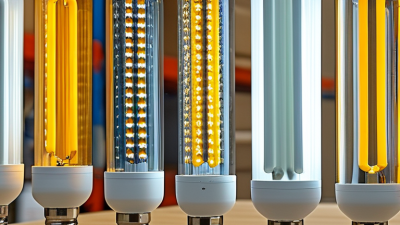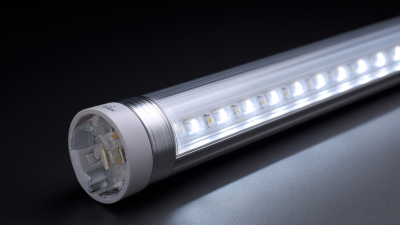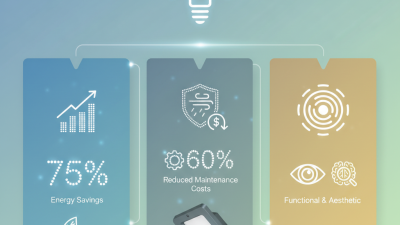
Look, a Smart Light Tube might seem pretty straightforward when you're browsing a product page. But honestly, even small spec gaps can end up costing you in ways you don't see coming. It might fit the socket perfectly, and still not work with the fixture, the control system, or the amount of light you actually need. So if you're buying globally, it really pays to compare dimensions, base type, wattage, color temperature, dimming compatibility, and documented performance. Don't just assume—check the details. Look, don't just trust the catalog photo—actually compare the product sheet with what's really installed on site. Get in there and measure the fixture yourself. Double-check the controls while you're at it. And don't be shy about asking for test reports.
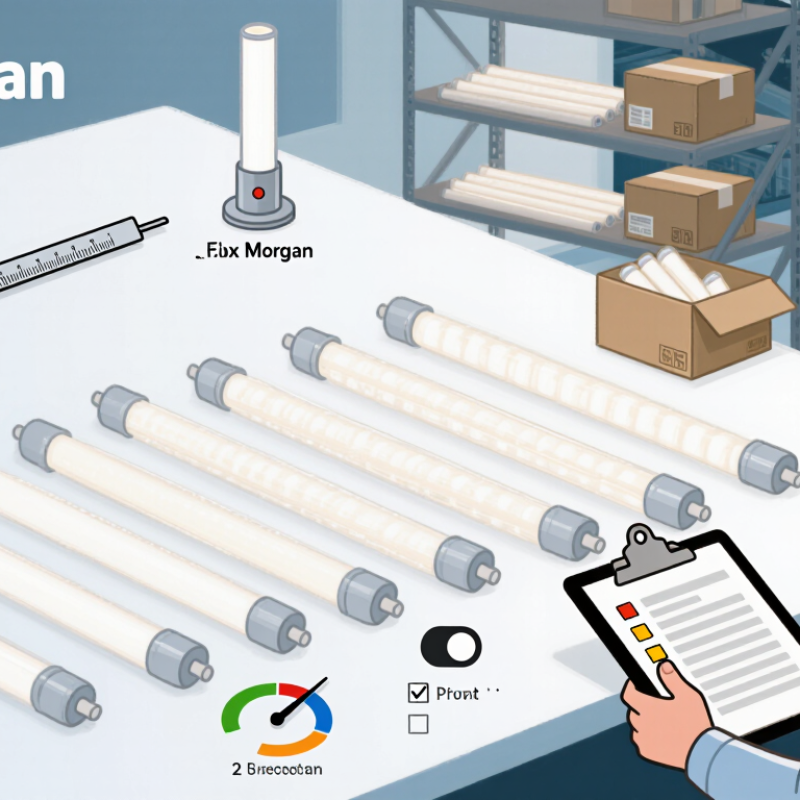
For this guide, we asked lighting procurement specialist Alex Morgan to give us an expert take. Just so you know, his quote is our editorial rendering, not something he said verbatim: “A reliable tube is proven by fit, stable performance, and support after delivery—not by a polished listing.” With that in mind, the seven tips below should help you get a real feel for product quality, how responsive the supplier is, warranty terms, packaging, and shipping. Oh, and don’t forget to ask direct questions about replacement parts and how long the thing is actually expected to last. Honestly, if the order is big, you really want to compare samples side by side. And keep the specs written down somewhere—you’ll thank yourself later. That way, supplier quotes are way easier to compare across markets, and you can avoid a bunch of those annoying installation delays. But even then, real projects are never quite like the brochure. That gorgeous sample in the showroom? It can look totally harsh in a narrow hallway. So whenever you can, check the lighting in the actual space it’s going in.
Smart Light Tubes suit different spaces, so match the type to the task. Standard LED tubes work well in offices, corridors, and storage rooms with predictable lighting needs. Dimmable models can reduce glare in meeting areas, while adjustable color temperature helps staff shift from cooler task lighting to warmer evening light. ASensor Light Tube may use motion or occupancy sensing. Check its detection range and response time before choosing it for a narrow hallway or a busy loading area. Small details matter.
Tip: Confirm the tube’s length, socket type, and electrical compatibility with the existing fixture. For sensor models, ask whether the sensor needs a clear view and whether settings can be adjusted. A sensor blocked by shelving may miss movement. That is easy to overlook.
Applications also affect control choices. A connected tube may support schedules or remote monitoring, which can help facility teams manage large buildings. Yet wireless functions add setup and network requirements; they are not automatically useful in every room. Compare the expected energy savings with installation and maintenance needs. In cold stores or dusty workshops, verify the tube’s stated operating conditions and protection rating. Product specifications vary, and a label alone does not show how the fixture performs in your layout. Test a sample in one representative area before placing a large order.
Before comparing a Led Light Tube, define what the space needs from its lighting. A workshop bench needs clear, even light for detailed tasks. A hallway may need softer illumination and reliable switching. Note the room’s length, ceiling height, existing fixtures, and where shadows fall. Measure twice. A quick sketch can reveal dark corners that a floor plan misses.
Set practical performance goals, not just a preferred brightness. Consider light output, color appearance, glare, and whether dimming is needed. For inspection or color-sensitive work, check color-rendering information in the product specifications. In a long office, consistent color across tubes can make the space feel more comfortable. Small differences matter. Also check fixture dimensions, electrical compatibility, and the site’s temperature or moisture conditions before ordering.
Compare those requirements with the supplier’s documented specifications and test samples when possible. A sample installed in the actual room can look different from one viewed online. Review the beam spread and light level at working height, then adjust your plan if needed. The first estimate may be off. That is worth noticing, not hiding. If electrical details are unclear, ask a qualified installer to verify compatibility before purchase.
For a T5 Led Light Tube, compare measured lumens, not wattage alone. Lumens indicate visible output; watts show electricity use. Divide lumens by watts to compare efficiency. The U.S. Department of Energy’s 2022 report, Solid-State Lighting R&D Opportunities, describes ongoing improvements in LED efficacy, but real products still vary. Check the tube’s stated output and confirm it suits the fixture and task. Small differences matter.
Color temperature affects how a space feels. Around 2700–3000 K gives a warmer appearance, while 4000 K looks more neutral and 5000 K cooler. For workbenches or storage areas, neutral or cool light can make details easier to see; warmer light may feel more comfortable in shared spaces. These are preferences, not rules. I would compare samples in the actual room, since wall color and daylight can change the impression.
Tip: Compare lumens, watts, and color temperature on each product label. The International Energy Agency’s Energy Efficiency 2023 report highlights lighting efficiency as part of broader electricity-saving efforts. Still, choosing the highest lumen-per-watt figure is not always enough: glare, dimmer compatibility, and light distribution matter. Check whether the tube is compatible with the existing fixture, then estimate annual energy use: watts ÷ 1,000 × hours used per year × local electricity rate. The calculation is simple; usage estimates are often imperfect.
A light tube can look suitable on a product page and still fail in your existing setup. Check its dimming method before ordering: phase-cut, 0–10V, and digital controls are not interchangeable. Confirm that the dimmer’s minimum load matches the tube, too. Otherwise, you may see flicker, a narrow dimming range, or lights that refuse to switch off fully. Small details matter.
Tips: Ask for the wiring diagram and control specifications. Check whether the tube needs a compatible driver or works with your current fixture. For an Outdoor Led Tube Light, confirm its stated environmental rating suits the actual installation location. “Outdoor” alone is not enough detail.
Test one unit before buying in bulk. Connect it to the intended switch or control system, then dim it slowly and watch for flicker or delayed response. If the setup uses sensors or a building control network, verify supported signals and wiring with a qualified installer. Keep the results, including the fixture model and settings. Compatibility charts can be incomplete; I would not treat a matching connector as proof that everything will work.
Before ordering a light tube, ask for the safety certificates required in the destination market. Requirements can differ by country and product type. Check that the certificate names the exact model, input voltage, and relevant components, such as the driver. A document for a similar-looking tube may not cover the item being quoted. Check the exact model. Where possible, confirm the certificate with its issuing body or through an official database. Paperwork is only a start.
Product quality needs a physical check, too. Request a sample and inspect the tube for uneven light, loose end caps, sharp edges, and inconsistent labeling. Run it for several hours in its intended fixture. Notice excess heat, buzzing, or visible flicker, especially after warm-up. Small details matter. Ask for test reports that identify the tested model and explain the methods used. A single report cannot guarantee every unit in a large shipment, so request production-lot checks and traceable batch numbers.
I would not treat a polished datasheet as proof of long-term reliability. It can omit details that matter in daily use. Compare warranty terms, replacement procedures, and the supplier’s response time in writing. If a seller cannot explain a rating or test result clearly, pause before committing. Even a careful sample review has limits; larger orders may reveal inconsistencies that one unit cannot show.
Buying smart light tubes for a global project starts with the details behind the product page. Check lumen output, color temperature, dimming method, and control protocol against the fixtures and systems already installed. Ask for a sample and test it in the actual room. A neat datasheet cannot reveal every flicker or connection issue. Small tests matter.
Assess suppliers by requesting recent test reports, product specifications, and clear answers about production capacity. Confirm the warranty period in writing, including coverage for drivers, controls, and replacement freight. Read exclusions closely; “two-year warranty” can mean little if labor or shipping is excluded. It is easy to focus on the headline term and miss the return process. Pause here.
Compare total landed cost, not just the unit quote. Include packaging, freight, insurance, duties, and any minimum-order charges, then confirm who handles export documents. For shipping, ask about carton dimensions, protective packing, lead time, tracking, and options for partial delivery. Long routes can expose weak packaging. A low price may still be the wrong deal if replacements take weeks or support is slow. Keep approvals, test results, and agreed delivery dates in one written record.
Note room size, ceiling height, existing fixtures, and where shadows fall. Measure twice. A quick sketch can expose dark corners.
Match brightness, color appearance, glare, and dimming needs to the task. For detailed work, check color-rendering information and test light at bench height.
Online images cannot show every flicker, shadow, or connection issue. Install a sample and check its beam spread. My first estimate may still be wrong.
Check tube dimensions, input voltage, driver details, dimming method, and control protocol. Ask a qualified installer if electrical compatibility is unclear.
Confirm that certificates match the exact model and relevant components. Inspect a sample for uneven light, loose end caps, sharp edges, buzzing, heat, or visible flicker.
Get the coverage period and exclusions in writing. Check whether drivers, controls, labor, replacement shipping, and the return process are included. Read the small print.
Compare the total landed cost, including packaging, freight, insurance, duties, and minimum-order charges. Ask about carton dimensions, protective packing, tracking, and delivery options.
Keep specifications, test results, approvals, batch details, and delivery dates in one written record. A single sample cannot reveal every production issue.
Choosing the right Smart Light Tube starts with understanding the available types and how they suit different spaces, such as offices, workshops, or homes. Define your lighting goals by considering room size, daily use, desired brightness, and color temperature. Compare energy consumption alongside light output to find an option that balances performance and efficiency.
Before purchasing, check whether the tube supports the dimming methods and controls you plan to use, and confirm compatibility with existing fixtures or lighting systems. Review safety certifications, product construction, and quality information to assess reliability. Finally, compare suppliers based on clear warranty terms, pricing, product availability, and shipping arrangements for your destination. A careful review of these factors can help global buyers select a dependable lighting solution that meets practical needs and supports long-term value.