Leave Your Message
In today’s world where everything moves so fast, you really can’t overstate how important Emergency Exit Lights are. They’re a critical safety feature, especially during emergencies when every second counts. Did you know that, according to the National Fire Protection Association (NFPA), there are over 1,300 fires breaking out annually in non-residential buildings? That just shows how vital good Emergency Lighting really is.Foshan Kaili Lighting Technology Co., Ltd., which was founded back in 2004, has been a big player in China’s emergency and green lighting scene. With all these years under their belt, they’ve built up a solid reputation for R&D and manufacturing, really stepping up to meet the rising demand for dependable lighting solutions. This guide’s gonna take a closer look at why Emergency Exit Lights matter so much — how they can boost safety, help people feel more secure, and make sure everyone gets out safely when time’s ticking. After all, it’s all about getting folks to the exits quickly and safely when it really matters.
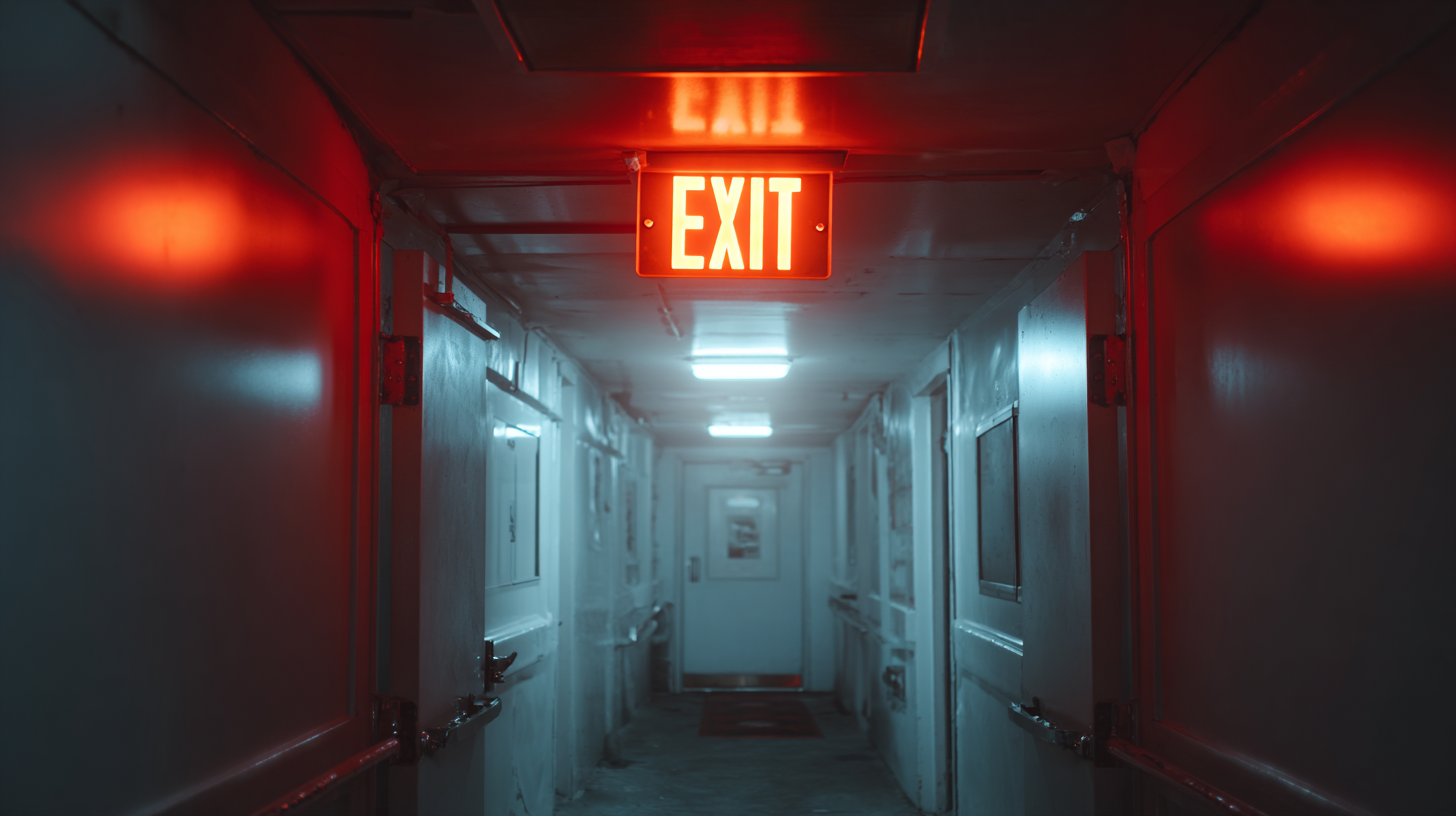
Emergency exit lights are such an essential part of keeping folks safe inside buildings, especially during emergencies like fires. You know, the things you often don’t think about until you really need them. According to the National Fire Protection Association (NFPA), having clear and brightly lit escape routes can make a huge difference—they can cut down evacuation time and help everyone get out safer and faster. This is especially true in smaller apartment complexes, where the escape options might be pretty limited. When lighting is poor or nonexistent, it can get chaotic real quick—people fumbling in the dark, confused, and scared. There have been plenty of incidents where folks have struggled to find their way out because the hallways were just too dim.
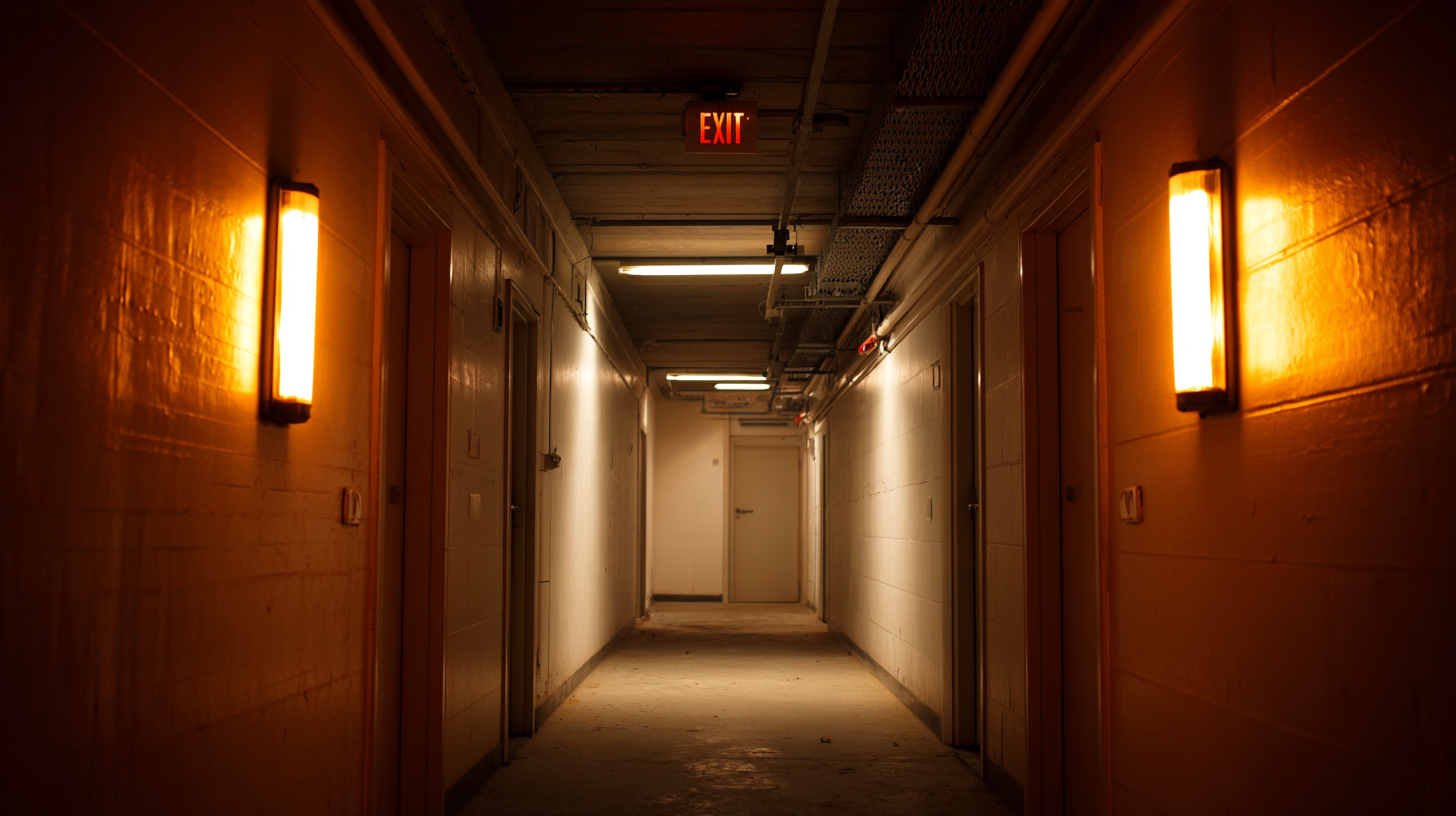
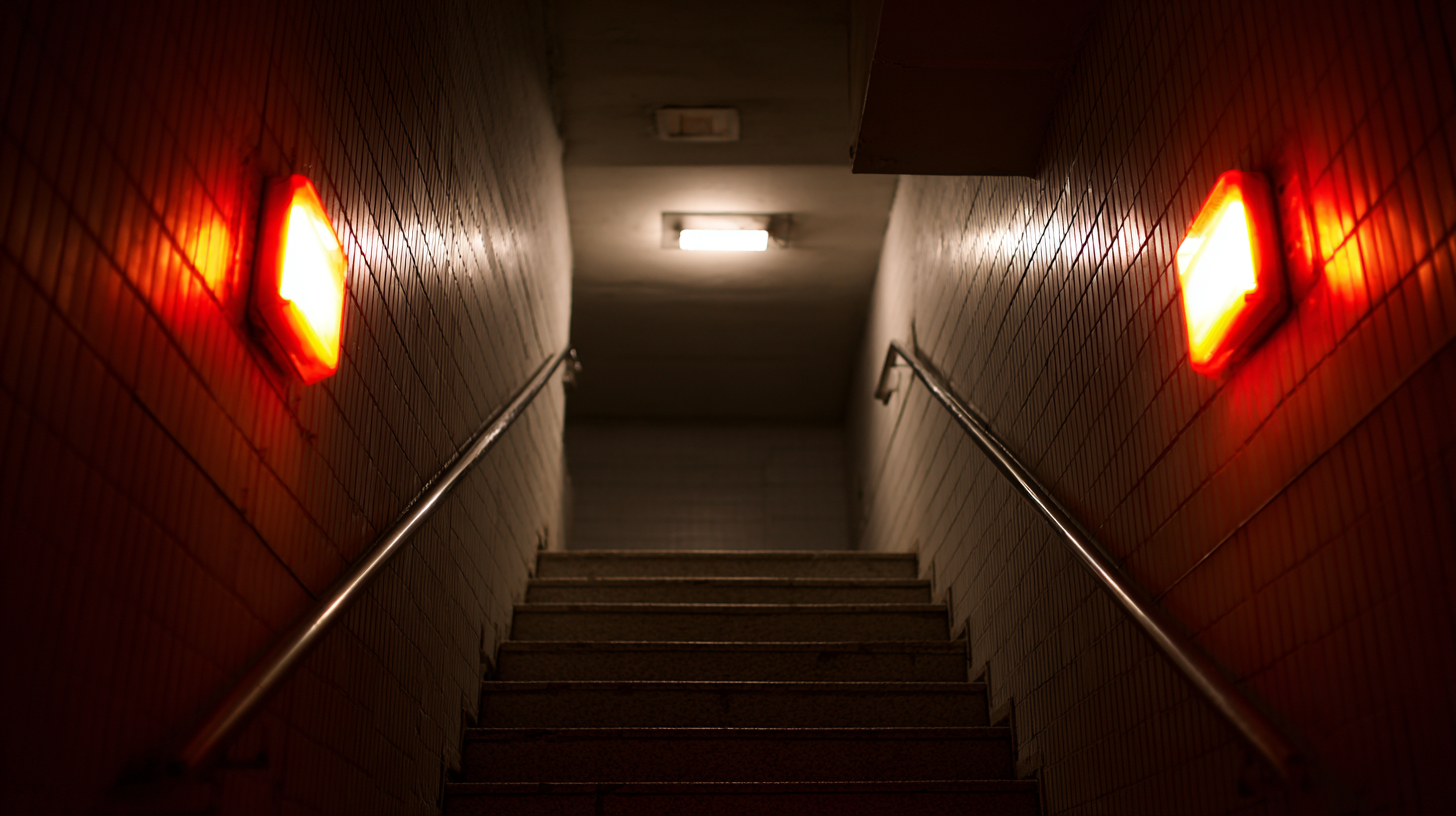
Lately, there’s been quite a bit of talk about building safety rules, especially around whether small apartment buildings should have just one staircase or multiple exits. The truth is, most building codes are kind of behind the times and don’t always reflect the latest safety standards. Research shows that buildings with only one way out tend to have higher death rates in fires. That’s why organizations focused on safety are pushing for tighter rules when it comes to emergency lighting and multiple exits. When buildings are thoughtfully designed with fire safety in mind—including properly placed exit lights—it’s less likely that people will panic or get lost during a fire. Ultimately, these measures can really save lives and prevent property from going up in flames.
In today’s fast-paced world, ensuring safety and compliance in indoor facilities is paramount. The 450 Emergency LED Exit Sign Box, model X450ZY220L033V6-10C, stands out as a cutting-edge solution for emergency exit signage. Its energy-efficient design not only minimizes operating costs but also guarantees a continuous presence of clear and visible guidance during emergencies. This is especially crucial in environments with high foot traffic where quick evacuation might be necessary.
The essential features of the X450 emergency exit sign are tailored to enhance safety and visibility. With its bright LED illumination, the sign remains highly visible even in low-light conditions, reducing the risk of confusion during an emergency evacuation. Its durable construction ensures reliability over time, while its sleek design allows for easy installation in various settings. By choosing the 450 Emergency LED Exit Sign Box, facility managers can rest assured that they are taking proactive steps toward maintaining a safe environment for all occupants.
: Emergency exit lights are crucial for ensuring the safety of occupants during emergencies, such as fires, by providing clear and well-lit exit paths that can significantly reduce evacuation time.
Inadequate emergency lighting can lead to chaos and confusion, making it difficult for occupants to navigate dark hallways effectively, which can hinder timely evacuations during emergencies.
There are ongoing debates about the adequacy of safety codes, particularly concerning buildings with single exit stairs. Studies suggest these buildings can have higher fatality rates during fires, emphasizing the need for multiple exits and better emergency lighting.
Best practices include regular inspections and repairs, testing the lights monthly, and servicing them at least annually to ensure operational readiness while keeping exit pathways clear of obstructions.
Recent inspections revealed that over half of the emergency exits examined in the subway system needed repairs, highlighting the importance of ongoing maintenance.
Advancements include energy-efficient LED technology, smart sensors that activate lights during power failure or smoke detection, and the integration of lights with building management systems for real-time monitoring.
Modern exit lights provide bright illumination to ensure clear visibility of exit paths, which is essential for the safety of occupants during critical situations.
Wireless technologies facilitate easier installation and repositioning of exit lights, which is essential during renovations or changes in building layout, thus enhancing adaptability and safety.
Integration allows for real-time monitoring and instant notifications if any exit light malfunctions, improving overall safety management in buildings.
Adhering to maintenance protocols not only meets regulatory obligations but also fundamentally enhances the safety and security of occupants during emergencies by ensuring that exit lights are functional when needed.
Emergency exit lights might not always be the first thing you think of, but trust me, they’re super important when it comes to safety in buildings. During an emergency—like a power outage or fire—these lights help guide people out quickly and safely, even when visibility is at its worst. This guide is all about highlighting why these lights matter so much, especially their key features like how bright they need to be and how easily you can see them. It also covers the regulations that make sure they’re up to the task and actually work when you need them. Regular check-ups and proper maintenance are a must, honestly—it’s what keeps them functioning smoothly and ready to save lives if the time comes.
Thanks to new tech, emergency exit lighting keeps getting better—more reliable, more energy-efficient, and just generally smarter. Since 2004, Foshan Kaili Lighting Technology Co., Ltd. has been at the forefront of this field, focusing on both emergency and eco-friendly lighting. They put a ton of effort into R&D, making sure their Exit Lights are top-notch and fit the changing needs for safety and security across all kinds of environments.





 Phone
 Send Email
 whatsapp