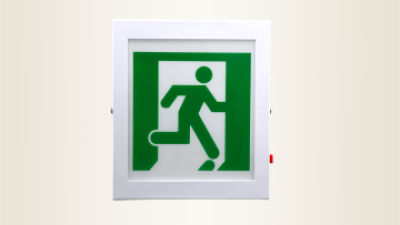
When you think about any building, the safety of everyone inside really has to come first, right? That’s where those Emergency Exit Signs come into play—they’re so important for guiding folks to the exits during an emergency. Picking out the right signs isn’t just about ticking boxes for rules; it’s about actually making sure people can get out quickly and safely when it counts.
A good emergency exit sign should be visible from a distance and easy to understand — it’s gotta catch your eye and leave no room for confusion. Plus, in low-light situations, they should be illuminated so no one’s left lost or unsure. Your choice really could make the difference between a smooth escape and chaos. Of course, choosing the right sign isn’t always straightforward. A lot of signs out there look pretty much the same, but not all of them meet safety standards.
And yeah, some companies sell cheaper signs that might seem like a good deal upfront. But here’s the thing—cheap isn’t always better. A poorly made sign could be super confusing when people are panicking. Honestly, investing in high-quality Emergency Exit Signs is just smart. Trusted brands like SafeGuard Signs don’t just sell you the signs; they also help you figure out where and how to install them properly, making sure everything’s up to code. In the end, putting quality and clarity first is the best way to keep everyone safe in your building.

Understanding Emergency Exit Signs and Their Importance
Emergency exit signs play a vital role in ensuring safety during emergencies. Their primary function is to guide people towards safe exit routes. Adequate knowledge of these signs can make a difference in life-threatening situations. Recognizing their importance is crucial for every building manager and safety officer. Clear and visible exit signs can save lives when panic strikes.
Choosing the best emergency exit signs requires careful consideration. Look for signs that are bright and easy to read. The best ones stand out against their surroundings, making them identifiable even in smoke or dim light. Durable materials resistant to heat and corrosion are essential, as they must function in various conditions. **Tip: Regularly inspect all exit signs.** A damaged sign can be dangerous and lead to confusion.
It's essential to stay updated on local regulations regarding Exit Signage. Many guidelines specify where and how these signs should be placed. **Tip: Conduct regular training sessions.** This helps ensure that everyone knows where the exits are located. Knowledge about the placement and significance of emergency exit signs can empower individuals to act efficiently in emergencies. Reflecting on your facility's current signage may reveal areas needing improvement.
How to Choose the Best Emergency Exit Signs for Safety?
| Sign Type | Illumination Type | Material | Location | Compliance Standards |
| Photoluminescent Sign | Non-illuminated | PVC | Indoors | NFPA, OSHA |
| LED Exit Sign | Illuminated | Aluminum | Indoors/Outdoors | UL, NFPA |
| Rechargeable Exit Sign | Battery-operated | Plastic | Indoors | LED, UL |
| Directional Exit Sign | Illuminated | Acrylic | Indoors | NFPA, IBC |
Key Features to Look for in Effective Emergency Exit Signs
When selecting emergency exit signs, several key features are critical for safety. Visibility is paramount. Research shows that 70% of emergencies occur in low-light conditions. Signs must have high contrast and bright colors. They should be illuminated or glow in the dark to ensure they are seen when it matters most.
Clarity is another essential feature. Icons and text should be easy to recognize. Studies indicate that clear imagery can increase recognition rates by up to 80%. A good sign uses universally understood symbols. Simplicity reduces confusion in stressful situations. Consider the size of the signs as well; they should be large enough to be noticed from a distance.
Lastly, durability is crucial. Emergency signs face various environmental factors. They should withstand temperature changes, moisture, and even potential impacts. According to a report by the National Fire Protection Association, more than 50% of building occupants are unaware of their exit routes during a fire drill. This highlights the need for reliable signage that remains intact and visible over time. Consistent maintenance and periodic inspections are essential to ensure effectiveness.
Types of Emergency Exit Signs: Illuminated vs. Non-Illuminated
Emergency exit signs play a crucial role in ensuring safety during emergencies. When choosing between illuminated and non-illuminated signs, it is essential to consider visibility and effectiveness. According to the National Fire Protection Association (NFPA), nearly one-third of fatalities occur due to inadequate exit visibility. Illuminated signs ensure that paths are clearly marked even in low-light situations, which is vital during a crisis.
Illuminated signs use LED technology for energy efficiency. They operate on backup batteries, making them functional during power outages. This feature is critical since the U.S. Department of Homeland Security reports that 60% of all emergencies happen during off-hours, when visibility may be poor. Non-illuminated signs, while cost-effective, may not provide adequate guidance if the lighting fails. Relying solely on these signs can lead to confusion and panic.
Consider the installation environment when choosing Exit Signs And Emergency Lights. Factors like building design and potential hazards should influence your choice. Some reports suggest that poorly marked exits can lead to increased evacuation times. Ensuring compliance with local codes is also paramount. Reflecting on these details might highlight gaps in safety planning. As safety advocates recommend, it’s crucial to regularly review and update your emergency signage strategies.
Choosing the Right Materials for Durability and Visibility
Choosing the right materials for emergency exit signs is crucial. Visibility and durability are essential factors. For outdoor environments, signs should withstand weather conditions. Materials like acrylic and polycarbonate offer good durability. They also resist fading, ensuring long-term visibility.
When selecting Battery Operated Exit Signs, consider using LED technology. LEDs are energy-efficient and provide bright illumination. This ensures the signs are visible even in low-light conditions. It’s important to evaluate the location of the signs. Signs placed in high-traffic areas need to be more robust.
Reflective materials can enhance visibility during emergencies. However, some materials may degrade over time. Regularly check the condition of each sign. This can prevent accidents caused by unclear or damaged signage. Choosing the right material is not just about cost. It's about ensuring safety for everyone in the building.
Compliance with Local Codes and Regulations for Safety Signs
When selecting emergency exit signs, compliance is crucial. Local codes dictate which signs are suitable for specific environments. Understanding these regulations can seem daunting. Different jurisdictions have varying requirements, which affects placement, size, and illumination.
Photoluminescent Exit Signs are a popular choice. They glow in dark conditions, ensuring visibility. However, they must meet local standards for effectiveness. Some may find the visual appeal of these signs distracting. Attention should focus on clarity and function, not just aesthetics.
Regular inspections are vital for compliance. Signs can fade or become damaged over time. Keeping records of maintenance checks is a good practice. Companies should proactively address any issues to avoid potential hazards. Ignoring these details can lead to noncompliance and increased risks. Understanding and following local regulations not only enhances safety but also reinforces trust within the community.
Placement Strategies for Optimal Visibility in Emergencies
When choosing emergency exit signs, placement is crucial. Signs should be visible from various angles, guiding people during chaotic situations. Consider placing signs at eye level. This height increases visibility and grabs attention quickly. Avoid cluttered areas where signs could be overlooked.
It's important to ensure signs are illuminated. In dark conditions, illuminated signs lead the way effectively. Place them near doorways and along escape routes. Regular checks for functionality are essential. You don’t want signs to fail when they’re needed most.
Think about potential obstructions like furniture or decorations. Signs should not be blocked by any objects. This placement strategy enhances the chances of visibility. A well-placed sign can save lives. Reflect on how your current layout might be lacking. Each detail counts in an emergency.
Maintenance and Regular Checks to Ensure Sign Effectiveness
Emergency exit signs play a crucial role in maintaining safety within any building. Regular maintenance and checks are essential to ensure these signs function effectively during emergencies. According to the National Fire Protection Association, more than 50% of all building evacuations are hindered by inadequate exit signage. Therefore, facility managers must prioritize the upkeep of Illuminated Exit Signs.
Routine inspections of illuminated exit signs should be conducted monthly. Checks should include verifying visibility and ensuring that lights are operational. An easily overlooked aspect is the cleanliness of the signs. Dust and grime can obstruct visibility, which may lead to confusion during an emergency situation. Moreover, a study by the International Code Council highlights that 30% of emergency exit signs were found to be unlit or damaged during inspections, underscoring the need for regular checks.
In addition, compliance with local regulations often demands periodic tests. Compliance gaps can leave facilities vulnerable during emergencies. Utilizing a reliable checklist can help identify issues quickly. Ensuring that all illuminated exit signs are functioning and unobstructed is paramount for the safety of everyone in a building. Investing time in these checks is not only a regulatory requirement but a moral obligation to protect lives.
Essential Guide to Choosing the Right Emergency Exit Sign Box for Safety Compliance
When it comes to safety compliance in any facility, choosing the right emergency exit sign box is paramount. The effectiveness of these signs goes beyond mere visibility; they must be reliable under duress, such as during a power outage. An ideal exit sign should incorporate energy-efficient LED technology that guarantees visibility while also minimizing operational costs. The design and durability of the emergency exit sign are equally important, ensuring that it stands the test of time in various environmental conditions.
One excellent option in the market is an advanced emergency exit sign that boasts a sleek and modern design, coupled with energy-efficient features. This cutting-edge device provides clear guidance during emergencies, enhancing the safety and comfort of occupants. Robust materials are utilized in its construction, offering added durability to withstand potential wear and tear in high-traffic areas. By integrating these aspects, facilities not only comply with safety regulations but also promote a culture of safety amongst their occupants.
FAQS
: Visibility is crucial because 70% of emergencies occur in low-light conditions. Bright colors help signs stand out.
Clarity comes from using easily recognizable icons and simple text. This increases recognition rates by up to 80%.
Signs must be large enough to be noticed from a distance. Size affects how quickly people can identify exits.
Signs should endure temperature changes, moisture, and potential impacts. Durability is essential for long-term effectiveness.
Different jurisdictions have specific requirements for signs. Compliance ensures safety and avoids potential hazards.
Regular inspections are vital. Signs can fade or become damaged, compromising their effectiveness.
Yes, focusing too much on visual appeal can distract from clarity and function. Design should prioritize usability.
Ignoring maintenance records can lead to noncompliance. This increases the risks associated with insufficient signage.
Photoluminescent signs glow in the dark. They must, however, meet local standards to ensure their effectiveness.
Over 50% of building occupants often do not know their exit routes. Reliable signage is essential for awareness.
Conclusion
Emergency Exit Signs play a crucial role in ensuring safety during emergencies by guiding individuals to the nearest exits swiftly and effectively. Understanding the different types of emergency exit signs, such as illuminated and non-illuminated options, is essential for making informed choices based on visibility and situational needs. Key features to consider include the readability, contrast, and material durability to withstand various conditions.
When selecting emergency exit signs, it is vital to comply with local codes and regulations to enhance safety standards. Strategic placement of these signs ensures optimal visibility, helping people navigate safely during crises. Regular maintenance and checks are equally important to guarantee the signs remain effective over time. By considering these factors, one can ensure that emergency exit signs contribute effectively to safety in any environment.









 Phone
 Send Email
 whatsapp