In the ever-changing world of commercial lighting, choosing the right fixtures really makes a difference—not just in how they look, but also in how efficient they are. Have you noticed how more and more folks are going for the Led Bulkhead Lamp? It’s actually pretty exciting because it shows a real move toward more eco-friendly options. According to a report from the International Energy Agency, switching to LED lighting can cut energy use by up to 75% compared to older, traditional lights. That’s a pretty compelling reason to consider them for your next project, right?
Benefits of Using LED Bulkheads in Commercial Lighting Projects
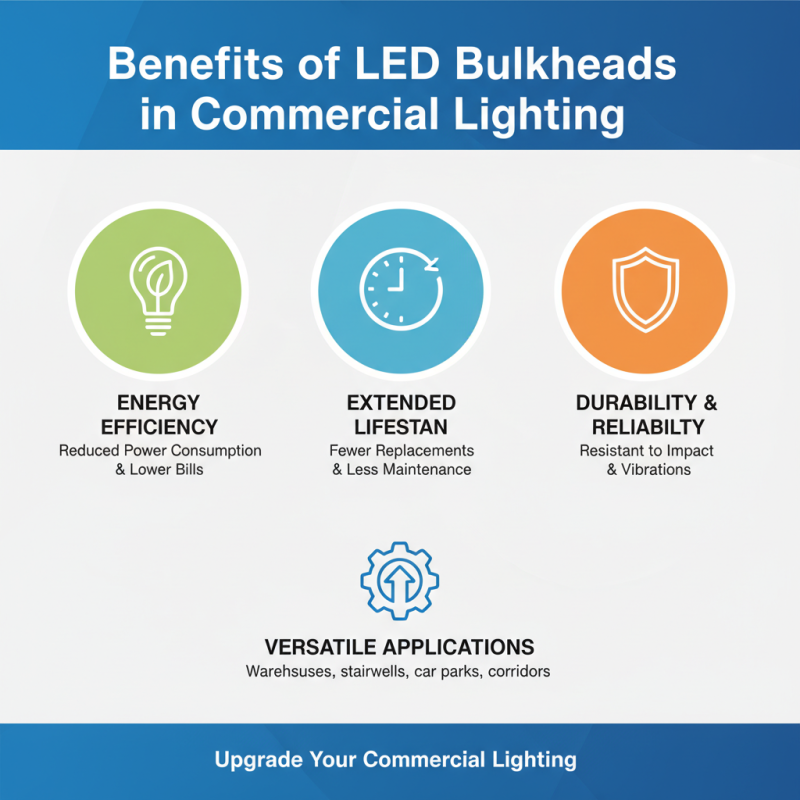
Led Bulkheads are becoming increasingly popular for commercial lighting projects. These fixtures offer numerous advantages, making them an excellent choice for various environments. One key benefit is their energy efficiency. LED bulkheads consume significantly less power than traditional lighting, leading to reduced energy bills. In addition, they have a longer lifespan, which means fewer replacements and lower maintenance costs.
Another compelling reason to choose LED bulkheads is their durability. These fixtures are designed to withstand harsh conditions, making them perfect for outdoor settings. They are often resistant to moisture and dust, ensuring consistent performance. The sleek design also allows for versatile installations, adapting easily to various architectural styles.
Tips: Consider the brightness level suitable for your space. Too dim can strain eyes, while overly bright can cause discomfort. Evaluate the color temperature; warm light often creates a welcoming atmosphere, while cool light can promote alertness. Choose fixtures that complement your design while fulfilling practical needs. Ensure proper installation for optimal lighting effects.
Energy Efficiency of LED Bulkheads vs Traditional Lighting Solutions
When considering energy efficiency, LED bulkheads stand out against traditional lighting systems. LED technology consumes up to 75% less energy, leading to significant cost savings. According to the U.S. Department of Energy, LED lighting can last about 25 times longer than incandescent bulbs. This longevity translates to reduced maintenance costs and less frequent replacements.
The transition to Led Outdoor Bulkhead Light not only conserves energy but also lowers carbon footprints. Some studies indicate that widespread LED adoption can reduce greenhouse gas emissions by as much as 40 million metric tons annually in the U.S. alone. As cities look to improve sustainability, LED options provide a clear pathway to more eco-friendly lighting.
Despite the advantages, some installations may face initial hesitations due to upfront costs. It's important to weigh these against long-term savings and performance. Not every project may find LEDs to be the perfect fit. However, the overall energy efficiency and lower environmental impact make LED bulkheads a compelling choice for modern lighting challenges.
Longevity and Maintenance Considerations for LED Bulkhead Fixtures
When considering lighting solutions, longevity and maintenance are key factors. LED bulkhead fixtures shine in these areas, making them a smart choice for a variety of projects. According to the Department of Energy, LED technology can last up to 25,000 hours, significantly outpacing traditional options. This longevity translates into fewer replacements, which reduces waste and the environmental footprint.
Maintenance is often overlooked but can be costly over time. LED bulkheads require less frequent maintenance, reducing labor costs. A report from the Lighting Research Center states that maintaining traditional lighting can increase costs by up to 30% annually when compared to LED fixtures. Investing in reliable LED technology can lead to savings that compound over time.
However, not all LED fixtures are created equal. Users need to consider variations in quality and performance. Some LED products may not meet stated lifespans or can suffer from color shifting. It's crucial to evaluate products based on industry standards and certifications. By prioritizing quality, buyers can avoid the pitfalls associated with subpar alternatives.
Design Versatility: Adapting LED Bulkheads to Various Environments
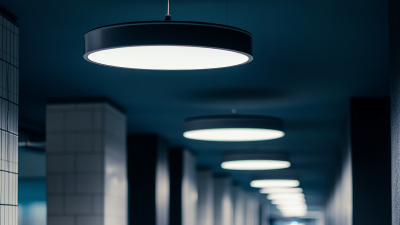
LED bulkheads offer remarkable design versatility, making them suitable for various environments. In commercial spaces, their sleek design enhances aesthetics while providing effective illumination. According to the Lighting Research Center, LED lighting can reduce energy consumption by up to 75% compared to traditional options. This leads to lower utility bills and a smaller carbon footprint, making it an environmentally friendly choice.
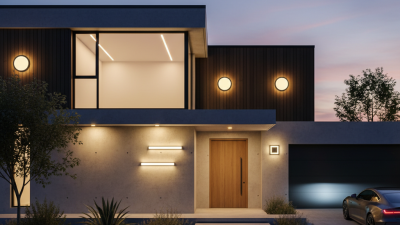
In residential settings, Led Outside Bulkhead Lights add security and visibility in outdoor areas. They can be easily adapted for pathways, garages, and patios, fulfilling both functional and decorative roles. A study from the U.S. Department of Energy found that implementing LED lighting across residential properties allows homeowners to save an average of 50% on lighting costs. The long lifespan of these lights further reduces maintenance efforts, but selecting the right design remains crucial for achieving the desired ambiance.
However, not all installations are flawless. Misjudged placement or inadequate brightness can lead to insufficient lighting, impacting safety. It's essential to consider the specific needs of each space. Proper planning ensures that LED bulkheads deliver optimal performance without compromising design. Balancing aesthetics and functionality may sometimes be challenging, but it's necessary for effective outcomes.
Safety Standards and Regulations for LED Bulkhead Lighting
When considering LED Bulkhead Lighting, it's crucial to understand the safety standards surrounding this choice. Compliance with local and national regulations is essential for any lighting project. LED bulkhead fixtures often find use in high-traffic areas, such as stairwells and corridors. Therefore, they must meet specific safety criteria to reduce risks associated with inadequate lighting.
Common regulations include adherence to electrical safety standards and ensuring fixtures are robust enough to withstand impact. Many LED bulkheads are rated for outdoor use, indicating that they can endure various weather conditions. However, not all products are created equal. Some may look appealing but might not pass stringent safety tests. It’s vital to research and validate the certifications of each fixture before installation.
Considering the placement and installation of LED bulkheads also impacts safety. Improperly installed fixtures can lead to hazards. Regular maintenance checks are often overlooked yet are necessary to ensure ongoing safety and compliance. Selecting the right model means weighing aesthetic preferences against functional safety. It’s not merely about lighting efficiency; it is about creating a secure environment.
Cost Analysis: Initial Investment vs Long-Term Savings with LEDs
When considering lighting solutions, the initial investment often weighs heavily on decision-making. LED technology, specifically the Led Emergency Bulkhead Light, tends to have higher upfront costs than traditional options. However, this choice proves advantageous over time. The long-term savings from energy efficiency can offset that initial outlay. LEDs often consume 75% less energy, leading to reduced electricity bills. Maintenance costs also decrease due to their longer lifespan.
In a typical commercial setting, replacing conventional lighting can lead to significant savings. Bulbs that last over 25,000 hours mean less frequent replacements. This durability translates to fewer labor costs and less waste. On the flip side, the initial costs can be daunting for some projects, and not all budgets allow for the latest innovations. Some customers may hesitate before committing to the latest technology.
Despite the challenges, investing in LED lighting is often wise. Business owners must carefully analyze their budgets and long-term goals. The benefits of installing the Led Emergency Bulkhead Light are clear when viewed through a long-term lens. While immediate costs may rise, the overall efficiency and safety improvements are hard to ignore.
Cost Analysis: Initial Investment vs Long-Term Savings with LEDs
Environmental Impact of LED Bulkheads Compared to Other Lighting Options
When considering environmental impact, Led Bulkheads stand out. Traditional lighting options, like incandescent bulbs, consume more energy. They often waste around 90% of energy as heat. In contrast, LED bulkheads convert about 80% of energy into light. This significant efficiency reduces carbon footprints dramatically.
A study from the Department of Energy indicates LEDs use at least 75% less energy than incandescent lighting. This could lead to a reduction of over 200 million tons of carbon emissions by 2027 in the United States alone. Other designs, such as fluorescent lights, also fall short. Their mercury content poses environmental hazards upon disposal. LED bulkheads eliminate this concern entirely.
However, challenges exist. Initial costs for LED technology can be higher than traditional options. Not all users see immediate benefits. Maintenance costs may not always reflect savings, leading to mixed data on return on investment. Still, the long-term benefits of LED bulkheads are unquestionable, particularly for sustainability-focused projects.
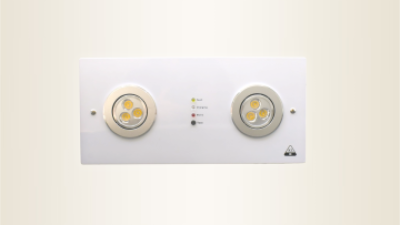
Comprehensive Guide to the Benefits and Installation of Recess Mounted Twin Spot LED Emergency Light 2x3W (12V)
Recess mounted twin spot LED emergency lights are becoming essential in ensuring safety during unexpected power outages. The integration of modern LED technology enables these fixtures to provide exceptional illumination while consuming minimal energy. According to a report from the U.S. Department of Energy, LED lighting uses at least 75% less energy than incandescent lighting, making it not only a smart choice for emergency lighting solutions but also an environmentally friendly option.
The installation of recessed emergency lights, such as the innovative 12V fixture designed for quick and easy integration, enhances the safety protocols in both residential and commercial spaces. These lights are designed with reliability in mind, providing bright, clear illumination when it is needed most. Their sleek design complements various interior styles, making them a practical choice without compromising aesthetic values. Additionally, their robust construction ensures that they can withstand various environmental conditions, making them suitable for a wide range of applications.
In terms of functionality, the twin spot design offers a versatile lighting solution, allowing users to direct light towards critical areas, thereby enhancing visibility during emergencies. The importance of having a reliable emergency lighting system cannot be overstated, as studies show that adequate lighting can significantly reduce the risk of accidents and injuries during power outages. By choosing recessed emergency lights, users not only invest in safety but also in long-term energy savings and environmental sustainability.
FAQS
: LED bulkheads offer energy efficiency, a longer lifespan, and lower maintenance costs compared to traditional lighting.
They consume significantly less power, leading to reduced energy bills. This benefit is noticeable over time.
Yes, they are durable and designed to withstand harsh conditions, making them ideal for outdoor settings.
It affects the atmosphere; warm light creates a cozy vibe, while cool light enhances focus and alertness.
Yes, they convert more energy into light and reduce carbon footprints significantly compared to traditional options.
The upfront cost can be higher than traditional lighting, which may deter some users initially.
Yes, they are built to be resistant to moisture and dust, ensuring reliable performance in various environments.
Not all users experience immediate savings on maintenance, leading to mixed perceptions on their overall value.
Proper installation is crucial for achieving optimal lighting effects and ensuring maximum efficiency over time.
Fluorescent lights contain mercury, posing disposal hazards, but LED bulkheads eliminate this environmental concern.
Conclusion
LED bulkheads are becoming increasingly popular in commercial lighting projects due to their numerous advantages. These fixtures offer significant energy efficiency compared to traditional lighting solutions, resulting in reduced electricity costs. Their longevity minimizes maintenance needs, providing a reliable option for various environments. Moreover, the design versatility of LED bulkheads allows them to be seamlessly integrated into different architectural styles while adhering to safety standards and regulations.
When considering the cost analysis, the initial investment in LED bulkhead fixtures can be balanced by long-term savings on energy bills and maintenance. Furthermore, their lower environmental impact makes LED bulkheads an eco-friendly choice compared to other lighting options. Overall, opting for LED bulkheads in your next lighting project proves beneficial for both economic and environmental reasons, making them a smart investment for the future.





 Phone
 Send Email
 whatsapp